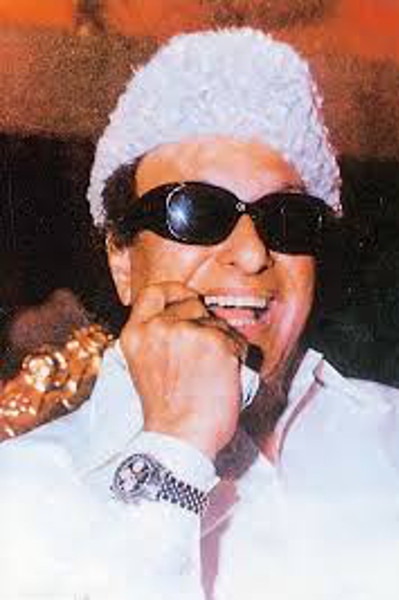
M. G. Ramachandran
M. G. Ramachandran is an Indian actor, best known for Tamil cinema. M. G. Ramachandran began their career in 1960 and has been a prominent figure in the industry for over 66 years. With over 120 credits to their name and an average audience rating of 7.3, M. G. Ramachandran remains one of the most prolific and celebrated talents in the industry. M. G. Ramachandran's influence on Tamil cinema is generational — their work continues to define the standard for the industry.
- Born
- Age
- 109
Biography
Maruthur Gopalan Ramachandran (MGR) was a Tamil cinema actor, director, producer, and politician who became one of the most iconic figures in Indian film history, starring in over 130 Tamil films between the 1930s and 1970s. He won the National Film Award for Best Actor in 1971 and received three Filmfare Awards South, with major hits including Ulagam Sutrum Valiban (1973), Idhayakkani (1975), and Naalai Namadhe (1975). Known for playing righteous, socially conscious heroes who champion the poor, his screen persona directly translated into political capital, leading him to found the AIADMK party and serve as Chief Minister of Tamil Nadu from 1977 until his death in 1987. He was posthumously awarded the Bharat Ratna in 1988, and Avasara Police 100 (1990) was released after his death using previously shelved footage from the 1977 production Anna Nee En Deivam.
Career Milestones
Film debut as lead actor
Breakthrough as action hero and superstar
Directed and starred in Ulagam Sutrum Valiban, one of the first Tamil films shot abroad
View film →Elected Chief Minister of Tamil Nadu, retired from acting
Awarded Bharat Ratna, India's highest civilian honour
Iconic Roles
Rickshawkaran
A cycle rickshaw puller who fights injustice and protects an orphaned child. MGR won the National Film Award for Best Actor for this role, becoming the first South Indian actor to win the honour.
Ulagam Sutrum Valiban
MGR played twin brothers — a scientist and a CBI officer — in this science fiction film that he also directed and produced. It was one of his biggest box office successes, running for over 250 days.
Idhayakkani
A kind-hearted estate owner who distributes profits equally among his workers and later joins the police to fight injustice. The film ran for 150 days in theatres.
En Annan
A son who fights to clear his father's wrongful murder conviction while working to educate his sister, embodying MGR's signature archetype of a justice-seeking, selfless hero.
Kudiyirundha Koyil
A dual role as separated twins on opposite sides of the law. MGR won the Tamil Nadu State Film Award for Best Actor for this performance.
Defining Moments
National Film Award win for his role as a cycle rickshaw driver fighting for justice and the common people — the first South Indian actor to win the National Award for Best Actor
Landmark achievement that established MGR's screen persona of the incorruptible champion of the poor on a national stage, cementing his legacy in Tamil cinema and politics alike
International action sequences including speedboat chases and roller-skating in Tokyo, with the climax set at Osaka Expo '70 — unprecedented global locations for Tamil cinema
Showcased MGR as a cosmopolitan action hero and demonstrated Tamil cinema's technical ambitions; the film's international scope was a first for the industry
View film →Song sequence 'Ulagam Ulagam' picturized at Osaka Expo '70 with the iconic Tower of the Sun sculpture, featuring MGR and Chandrakala in an unprecedented international backdrop
Symbolized MGR's global appeal and Tamil cinema's aspirations beyond regional boundaries; a visual spectacle that was entirely unprecedented at the time
View film →Dual role as both hero and villain (Ranjith), including the court dog-identification scene and the emotional reveal through his love for his mother
MGR's first major villain role, widely celebrated as a masterclass in contrasting characterizations and a rare departure from his established heroic persona
View film →Opening sequence using footage of C. N. Annadurai explaining MGR's nickname 'Idhayakkani' (Heart's Fruit), blending political messaging with cinematic storytelling
The film — the highest-grossing Tamil film of 1975, running 150 days in theatres — marked the full convergence of MGR's cinema and political identities, reinforcing his leadership credentials
View film →M. G. Ramachandran by the Numbers
If you watched every M. G. Ramachandran film back-to-back, you'd be at it for roughly 9 days and 5h. Most-paired with M. S. Viswanathan — 32 films together.
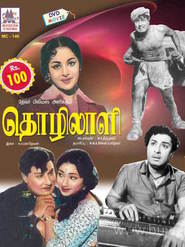
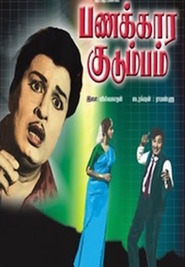
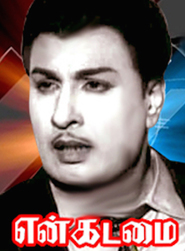
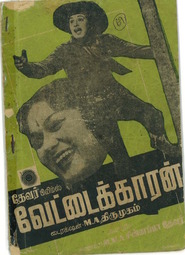
Filmography
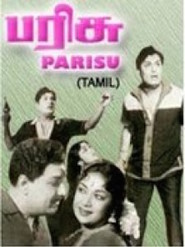
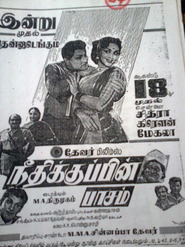
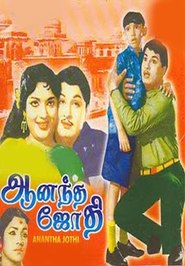
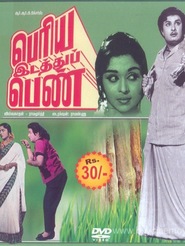
See all 120 credits →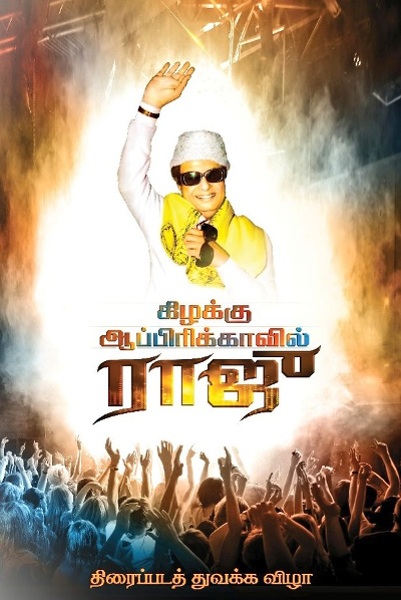
Collaboration Network
The Constellation
Top 10 most-paired collaborators. Bubble size and line thickness reflect how many films they share with M. G. Ramachandran.
Career Analytics
Language Distribution
Films by Decade
Top Co-Actors
See all →M. G. Ramachandran has worked most frequently with P. Neelakantan (13 films), K. Shankar (7 films), M. A. Thirumugham (5 films), M. Krishnan Nair (4 films), and Tapi Chanakya (3 films).

Did You Know?
M. G. Ramachandran was the first film actor to become the Chief Minister of an Indian state.
He founded the political party Anna Dravida Munnetra Kazhagam (ADMK), later renamed All India Anna Dravida Munnetra Kazhagam (AIADMK).
He was awarded the Bharat Ratna, India's highest civilian award, posthumously in 1988.
He was known for portraying roles that championed the cause of the poor and oppressed, which greatly contributed to his political image.
He served as the Chief Minister of Tamil Nadu from 1977 until his death in 1987.
Legacy & Influence
M. G. Ramachandran, revered as MGR, was a cinematic and political colossus whose impact on Tamil and Indian cinema is foundational. His career trajectory began in the 1930s, but it was in the post-independence era that he ascended to unparalleled stardom, defining the 'hero' archetype for generations. MGR's primary contribution was the creation of a powerful on-screen persona—the righteous, invincible champion of the poor and oppressed. Through meticulously crafted roles in films like "Nadodi Mannan" (1958), "Enga Veettu Pillai" (1965), and "Ulagam Sutrum Valiban" (1973), he embodied ideals of social justice, self-sacrifice, and moral fortitude. His films were not mere entertainment but potent vehicles for Dravidian political ideology and social reform, often directly addressing issues of class disparity, corruption, and empowerment. This narrative fusion of mass entertainment with populist politics was revolutionary. Technically, he was a pioneer in Tamil cinema's production values, investing in grand sets, innovative action sequences, and memorable music, elevating the industry's scale and appeal. His off-screen identity as a philanthropist and man of the people seamlessly blended with his screen image, creating a cult of personality unmatched in Indian cinema. This synergy directly catalyzed his political career, where he leveraged his fan base to form the AIADMK and served as Chief Minister of Tamil Nadu. His influence persists in the DNA of Tamil cinema, where the hero-centric film and the star-politician model remain potent. Actors who followed, most notably his protege J. Jayalalithaa, inherited this template. MGR's legacy is the indelible intertwining of cinematic myth-making with socio-political reality, making him a permanent icon of Tamil culture.