Panchavarnakili(1965)
Panchavarnakili is a 1965 Indian Tamil-language drama film directed by A.C. Trilogchander. It stars Jaishankar, K.R. Vijaya, and R. Muthuraman in lead roles. The story follows Megala, a woman who waits years to marry army officer Saker, only to discover he is already married with a child. The film explores themes of sacrifice, duty, and selfless love. It was produced by Saravana Pictures and features music by K.V. Mahadevan. The film is noted for its emotional narrative and strong performances. It was released in 1965 and is available for streaming on Amazon Prime Video.
Panchavarnakili (1965) OTT release date is not officially announced yet — GudVibe tracks its streaming availability daily.
Where to watch:Quick Facts
- Theatrical Release
- 31 December 1965
- Director
- A. C. Tirulokchandar
- Language
- Tamil 0
Storyline
Megala has been waiting to marry Saker, an army officer. But Saker is already married to Chitra and has a child. When Saker is reported dead in combat, the truth comes out. Megala must decide between her own happiness and the well-being of Saker's family.
“Love means letting go”
Film Details
Parental Guide
Vibe & Tags
Cast & Crew
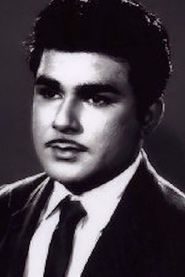

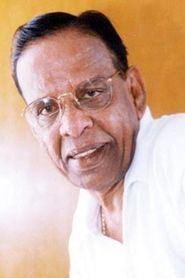
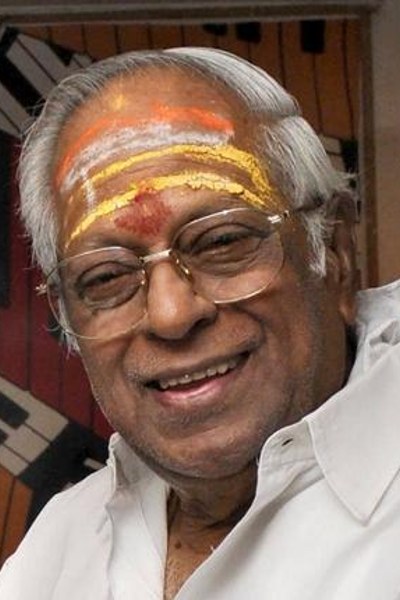
Reunion Meter
Frequent partnerships reunited for Panchavarnakili
Cast reunions in this film: Nagesh & M. S. Viswanathan (108 films together), M. S. Viswanathan & Jaishankar (77 films together), K. R. Vijaya & M. S. Viswanathan (69 films together), Nagesh & Jaishankar (53 films together), K. R. Vijaya & Nagesh (38 films together), and M. S. Viswanathan & A. C. Tirulokchandar (30 films together).
Trivia
- The film's title 'Panchavarna Kili' translates to 'Five-Coloured Bird', a poetic metaphor often used in Tamil for something rare and beautiful.
- It was one of the early major film roles for actress Manorama, who would later become a legendary comedy figure with over 1000 films.
- Director K. Shankar was a prominent figure in Tamil and Hindi cinema, known for directing the iconic film 'Badi Bahen' (1949) in Hindi.
- The movie featured music by the popular composer M. S. Viswanathan, who was at the peak of his career in the 1960s.
- Actor Jaishankar, the lead, was a major star known for his 'style' and comic timing, often paired with Muthuraman in many films.
- The film was released during a period when Tamil cinema was heavily influenced by social dramas and family-centric narratives.
- It is an example of a mid-1960s film that helped solidify the 'hero-duo' trend with Jaishankar and Muthuraman sharing screen space.