Pyaar Ke Do Pal(1986)
Pyaar Ke Do Pal is a 1986 Indian Hindi-language family drama film directed by Rajiv Mehra. It stars Mithun Chakraborty, Jaya Prada, Simple Kapadia, and child actor Ashutosh Thakur in a dual role. The story follows twin brothers Anil and Sunil who are separated by a court order after their parents' bitter separation. They meet at a scout camp and decide to switch places to reunite their mother and father. The film is a remake of the 1950 German film Das doppelte Lottchen and the Hollywood classic The Parent Trap. It explores themes of family, sacrifice, and misunderstanding. The music was composed by Anu Malik. The film was released on August 15, 1986.
Quick Facts
- Streaming on
- Netflix
- Theatrical Release
- 31 December 1986
- Director
- Rajiv Mehra
- Language
- Hindi
- Runtime
- 2h 10m
- Rating
- 4.4/10
Storyline
Twin brothers Anil and Sunil have never met. A court separated them after their parents' divorce. One lives with their angry father Ashok. The other lives with their sad mother Geeta. At a scout camp, they discover each other. They switch places to bring their parents back together. But a dark secret from the past threatens their plan.
“Two brothers. One mission. Reunite their family.”
Film Details
Parental Guide
Where to Watch
Vibe & Tags
Cast & Crew

Reunion Meter
Frequent partnerships reunited for Pyaar Ke Do Pal
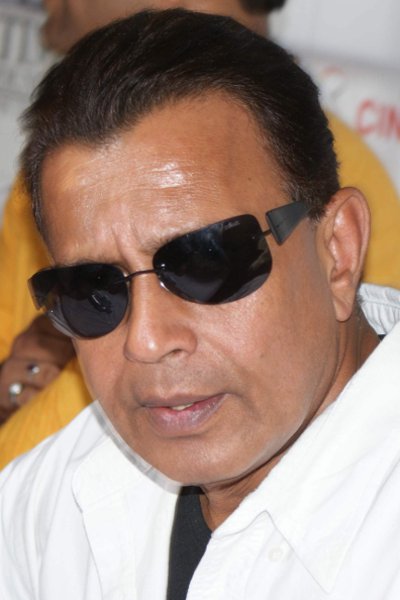
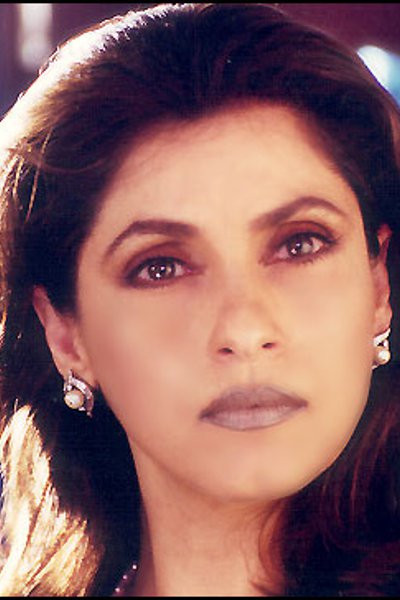
Cast reunions in this film: Mithun Chakraborty & Dimple Kapadia (5 films together), and Jayapradha & Mithun Chakraborty (4 films together).
Trivia
- The film was produced by Rajiv Mehra's father, B.R. Mehra, who was a well-known producer in the 1970s.
- Actress Padmini Kolhapure, who played Geeta, was a major star but this film did not perform well at the box office.
- The plot device of separated twins reuniting parents was popular in 1980s Hindi cinema, seen in films like 'Aap Ke Deewane'.
- The soundtrack, composed by Bappi Lahiri, included the song 'Tumse Milkar' but did not become a major hit.
- Child actors Master Rinku and Master Raju, who played the twins, were often paired in films during that era.
- The film's release coincided with a period where social dramas with family conflicts were common in Bollywood.
- Director Rajiv Mehra had earlier worked as an assistant director on several films before this directorial venture.