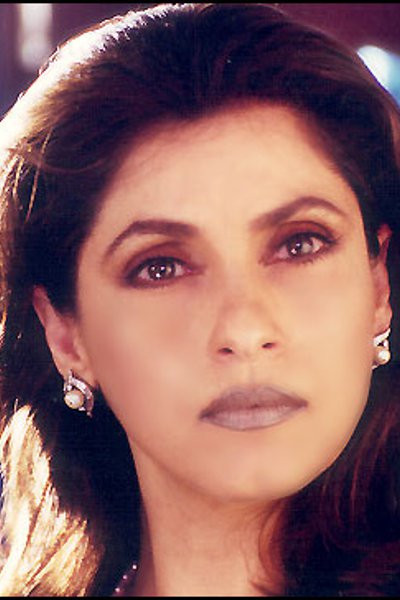
Dimple Kapadia
Dimple Kapadia is an Indian actor, best known for Tamil cinema. Dimple Kapadia began their career in 1982 and has been a prominent figure in the industry for over 44 years. With over 90 credits to their name, Dimple Kapadia remains one of the most prolific and celebrated talents in the industry. Spanning 40+ years, Dimple Kapadia's career remains one of the longest and most celebrated in Tamil cinema.
- Born
- Age
- 69
Biography
Dimple Kapadia is a veteran Hindi cinema actress best known for her debut in Raj Kapoor's Bobby (1973) opposite Rishi Kapoor, which made her a youth icon at age 16. She won the National Film Award for Best Actress for Rudaali (1991) and two Filmfare Awards for Best Actress for Bobby (1973) and Saagar (1985), with Krantiveer (1994) earning her another Filmfare recognition. After a decade-long retirement following her 1973 marriage to Rajesh Khanna, she staged a remarkable comeback in 1984 and went on to take character and supporting roles in films like Dil Chahta Hai (2001), Dabangg (2010), and Christopher Nolan's Tenet (2020). Her role as a professional mourner in Rudaali remains one of Hindi cinema's most celebrated performances for its emotional intensity and restraint.
Career Milestones
Film debut in Bobby, became an overnight star at age 16
Won Filmfare Award for Best Actress (debut performance)
Comeback after decade-long hiatus; won second Filmfare Best Actress award
Won Filmfare Award for Best Supporting Actress for powerful performance
View film →Acclaimed role as Tara Jaiswal in landmark ensemble film
View film →Iconic Roles
Bobby
A spirited young Christian girl from Goa who falls in love across class divides. This debut role made Dimple Kapadia an overnight sensation and a youth fashion icon, earning her the Filmfare Award for Best Actress.
Rudaali
A professional mourner from rural Rajasthan who suppresses her own grief while weeping for others. Dimple's nuanced portrayal won her the National Film Award for Best Actress and the Filmfare Critics Award.
Krantiveer
A fearless journalist fighting corruption and injustice alongside the rebel hero. Her powerful, patriotic dialogues became some of the most quoted lines from the film.
Dil Chahta Hai
A divorced, alcoholic woman who becomes the object of a younger man's affection. Dimple herself called it 'one role to die for,' and the performance won widespread critical praise for its emotional depth.
Saagar
A simple fisherwoman caught in a love triangle between two best friends. This comeback role re-established Dimple as a leading actress and earned her a Filmfare Award for Best Actress.
Defining Moments
Title role debut as Bobby — a carefree, spirited teenage girl whose uninhibited charm and comfortable sexuality redefined the Hindi film heroine. Her line 'Mujhse dosti karoge?' became iconic.
Won the Filmfare Award for Best Actress at age 16; culturally transformed how Bollywood portrayed young women and launched one of Hindi cinema's most enduring careers.
Portrayal of Shanichari, a professional mourner from rural Rajasthan who has forgotten how to feel her own grief — a deeply restrained yet devastating performance.
Won the National Film Award and Filmfare Critics Award for Best Actress; widely regarded as the pinnacle of her acting craft and one of the greatest performances in Indian parallel cinema.
Role as a journalist who awakens a drunken, directionless villager's conscience and pushes him toward fighting injustice — a fiery, morally charged performance.
Won her fourth Filmfare Award; the film was a massive commercial and critical success, cementing her as a powerhouse character actor post-comeback.
View film →Performance as Tara Jaiswal, a middle-aged divorcee and recovering alcoholic who forms an unlikely emotional bond with a younger man — understated, nuanced, and wholly convincing.
A supporting role that stole scenes in a landmark film; widely cited as one of the finest portrayals of a mature, flawed woman in mainstream Bollywood.
View film →Playing Priya, a sharp and dangerous Mumbai arms dealer who manipulates the protagonist — described by Variety as the film's 'wiliest performance'.
Her Hollywood debut under Christopher Nolan; brought international recognition and demonstrated her ability to command screen presence in a global blockbuster.
Dimple Kapadia by the Numbers
If you watched every Dimple Kapadia film back-to-back, you'd be at it for roughly 7 days and 9h. Most-paired with Jackie Shroff — 7 films together.
Filmography
See all 90 credits →






Collaboration Network
The Constellation
Top 10 most-paired collaborators. Bubble size and line thickness reflect how many films they share with Dimple Kapadia.
Career Analytics
Genre Breakdown
Language Distribution
Films by Decade
Top Co-Actors
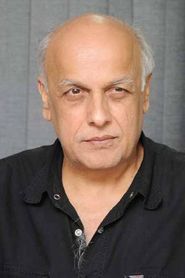
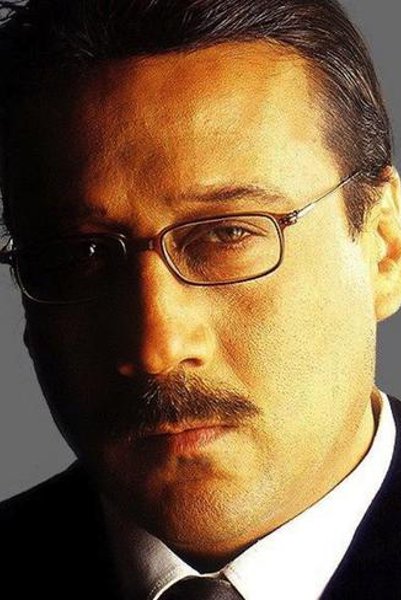
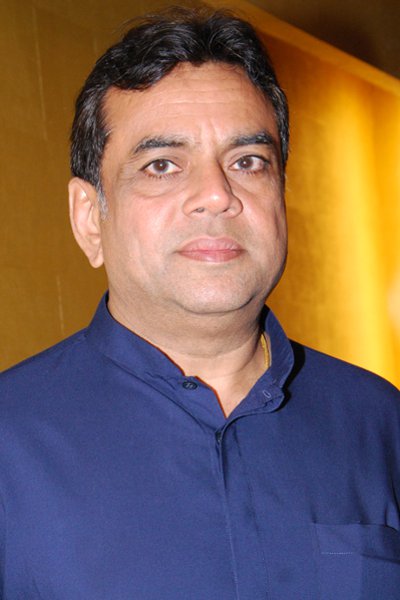
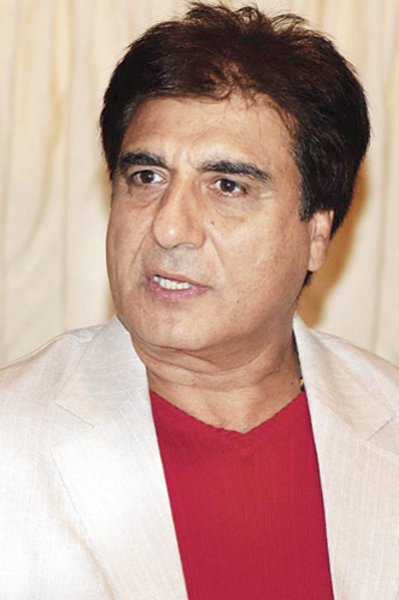
See all →Dimple Kapadia has worked most frequently with Mahesh Bhatt (3 films), Homi Adajania (2 films), Mehul Kumar (2 films), Raj N. Sippy (2 films), and Jackie Shroff (7 films).


Did You Know?
Dimple Kapadia made her acting debut at age 16 in Raj Kapoor's 1973 film 'Bobby', playing the title role.
She married superstar Rajesh Khanna in 1973, shortly after the release of 'Bobby', and temporarily retired from films.
She returned to acting in 1984 after a separation from Rajesh Khanna, starring in the film 'Saagar'.
She won the National Film Award for Best Actress for her performance in 'Rudaali' (1993).
She is the mother of former actress and author Twinkle Khanna and former actress Rinke Khanna.
Signature Dialogues
Tumse toh woh vaishyan achchi hoti hai joh bechti zaroor hai, magar apna jism bechti hai... apne desh ko, apni aatma ko, apne imaan ko nahi bechti
Megha·Krantiveer
Insaaf nahi mangne se milta hai aur nahi cheenne se... aaj toh insaaf bikta hai, sirf bikta hai
Megha·Krantiveer
Family
Spouse
Rajesh Khanna

Child
Twinkle Khanna
Legacy & Influence
Dimple Kapadia's legacy in Indian cinema is defined by a remarkable career of reinvention and resilience, spanning over five decades. Her debut as the effervescent Bobby Braganza in Raj Kapoor's 1973 blockbuster 'Bobby' was a cultural phenomenon, establishing the archetype of the modern, rebellious teenage heroine and making her an instant superstar. Following an early marriage and hiatus, her return to films in the 1980s marked a significant shift. She consciously moved away from conventional glamour roles, seeking out complex, performance-driven characters that showcased her depth as an actor. This second act cemented her reputation as a serious and versatile performer. Her portrayal of Shanichari, a professional mourner in Kalpana Lajmi's 'Rudaali' (1993), is considered a career-defining masterpiece. The raw, nuanced performance earned her the National Film Award for Best Actress and international acclaim at the Cannes Film Festival, highlighting her ability to embody profound grief and resilience. Kapadia continued to defy typecasting, delivering powerful performances in diverse genres, from the gritty realism of 'Lekin...' (1990) to the sophisticated melancholy of Tara in Farhan Akhtar's seminal 'Dil Chahta Hai' (2001), which introduced her to a new generation of audiences. In her later career, she has embraced bold, unconventional roles in films like 'Being Cyrus' (2005), 'Cocktail' (2012), 'Finding Fanny' (2014), and Christopher Nolan's 'Tenet' (2020), consistently choosing parts that challenge norms and showcase her formidable screen presence. Her journey from a teenage icon to a respected character actor illustrates a rare trajectory in Indian cinema, paving the way for actresses to have enduring, evolving careers beyond traditional lead roles. Kapadia's contribution lies in her fearless choice of roles, her naturalistic acting style that brought authenticity to her characters, and her sustained relevance across generations, making her one of the most significant and influential actresses in the history of Hindi film.