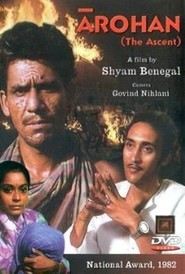
Arohan(1983)
Hindi144 minstheatrical
Arohan (1983) is a 144-minute Hindi film directed by Shyam Benegal. Starring Sreela Majumdar, Jayant Kripalani and Om Puri, the film was widely praised by audiences. With a well-received audience rating of 7.7/10 from 1983.
Director:Shyam Benegal
Mood:
darkemotionalinspiring
Quick Facts
- Streaming on
- Vi Movies and TV
- Theatrical Release
- 30 January 1983
- Director
- Shyam Benegal
- Language
- Hindi
- Runtime
- 2h 24m
- Rating
- 7.7/10
Storyline
A poor farmer lives with his family in a remote village. In the mid-1960s, a communist uprising begins to spread across the region, uniting oppressed farmers.
“A poor farmer's family faces a rising revolution.”
Film Details
7.7Rating
144Minutes
HindiLanguage
Release Date30 January 1983
Release Typetheatrical
Also Known AsThe Ascent
Parental Guide
Violence
Mild
Language
Low
Sex / Nudity
Mild
Drugs
Mild
Intensity
Mild
Where to Watch
Vibe & Tags
Mood
darkemotionalinspiring
Themes
survivalcorruptionjusticefamily
Tonegritty
Pacingslow-burn
Complexityrequires-attention
Audiencearthouse
Best Withalone
Violence3
Emotion4
Humor1
Rewatchability3
Cast & Crew
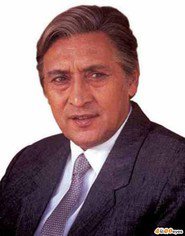

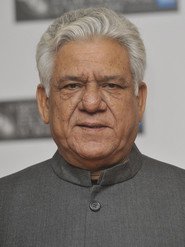
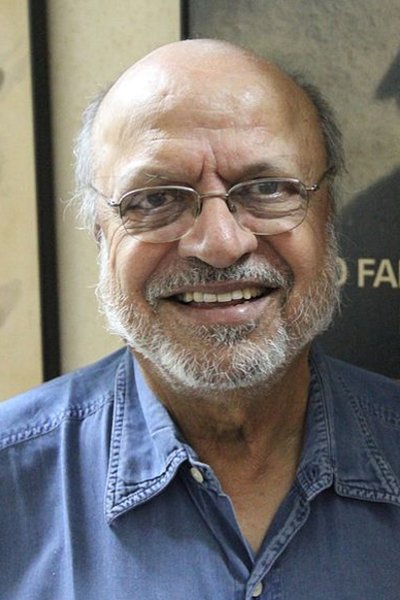
Reunion Meter
Frequent partnerships reunited for Arohan
Cast reunions in this film: Om Puri & Govind Nihalani (7 films together), Om Puri & Pankaj Kapur (4 films together), and Om Puri & Shyam Benegal (2 films together).
Trivia
- The film was shot on location in rural Bengal, using many local non-actors to add authenticity.
- Om Puri learned to speak Bengali for his role, though his character's dialogue was ultimately dubbed.
- It was part of Shyam Benegal's 'middle cinema' wave, known for blending realism with artistic storytelling.
- The story is loosely based on the real-life Naxalite movement that began in the village of Naxalbari.
- The film's title 'Arohan' translates to 'ascending' or 'rising', symbolizing the protagonist's struggle.
- It was one of the early films to depict the complex socio-political tensions in rural India during the 1960s.
- The cinematography by Govind Nihalani used natural light to capture the harsh landscape of village life.