Govind Nihalani
Govind Nihalani is an Indian director, best known for Tamil cinema. Govind Nihalani began their career in 1980. With 30 credits to their name, Govind Nihalani remains one of the most prolific and celebrated talents in the industry. Spanning 40+ years, Govind Nihalani's career remains one of the longest and most celebrated in Tamil cinema.
Career Milestones
Film debut
View film →Highest rated: Aakrosh (8.1)
View film →Defining Moments
Directorial Debut
Directed his first feature film 'Aakrosh', which was critically acclaimed and established him as a major filmmaker.
Release of 'Ardh Satya'
Directed 'Ardh Satya', a seminal film on police corruption and existential angst, winning major awards.
Television Landmark 'Tamas'
Directed the epic television series 'Tamas' on the Partition of India, which became a cultural and political landmark.
Govind Nihalani by the Numbers
If you watched every Govind Nihalani film back-to-back, you'd be at it for roughly 1 day and 8h. Most-paired with Amrish Puri — 7 films together.
Filmography
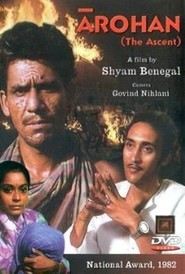
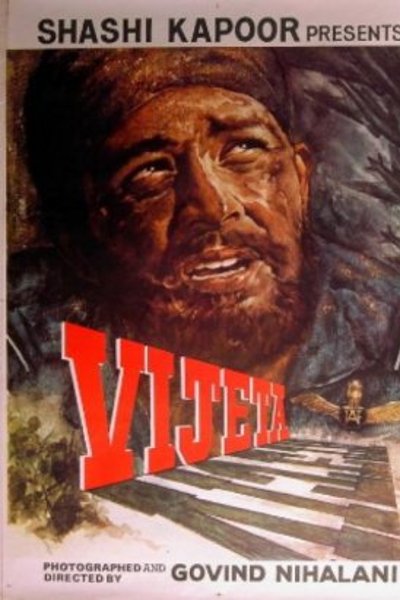
See all 30 credits →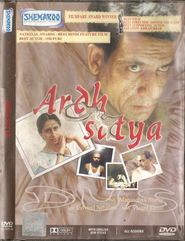
Collaboration Network
The Constellation
Top 10 most-paired collaborators. Bubble size and line thickness reflect how many films they share with Govind Nihalani.
Career Analytics
Language Distribution
Films by Decade
Top Co-Actors
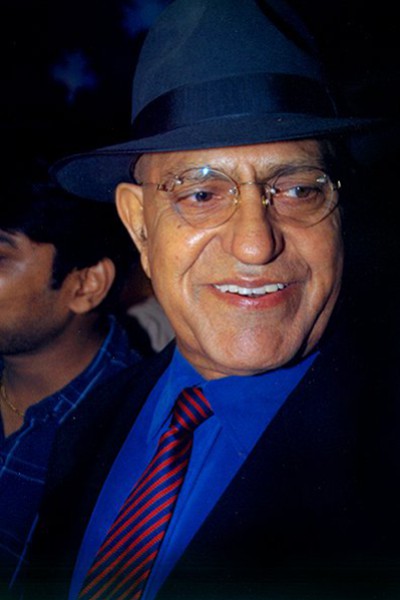
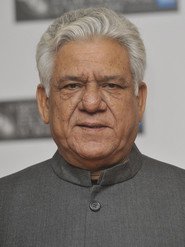
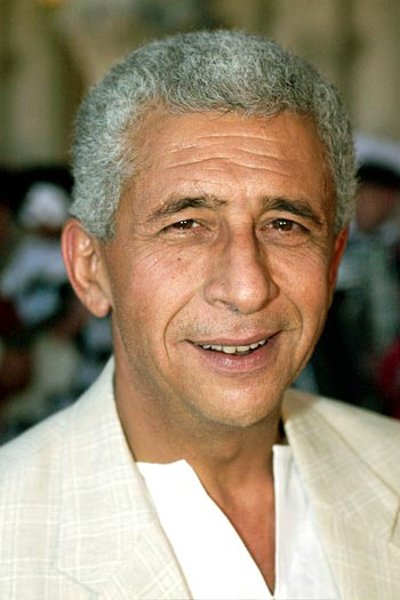
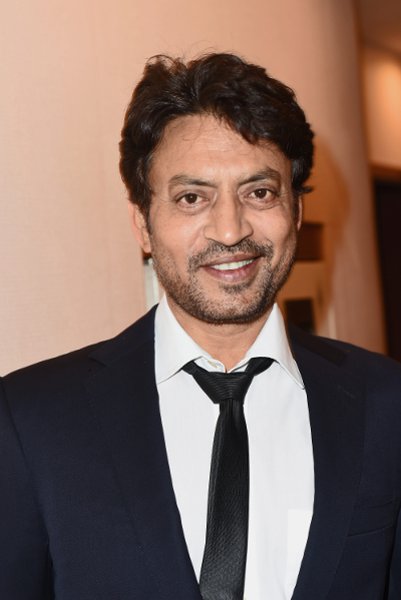
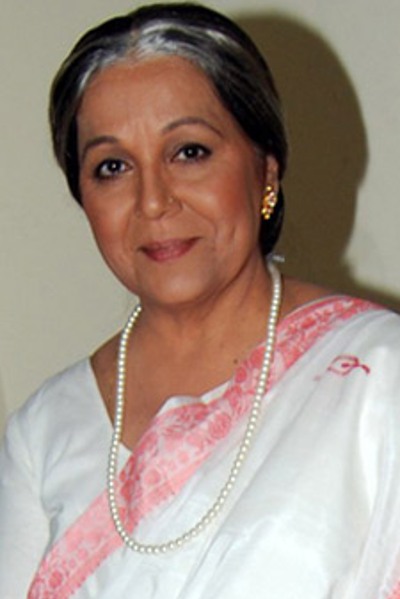
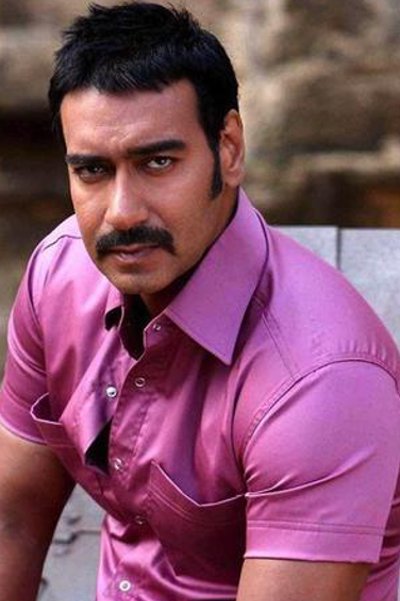
See all →Govind Nihalani has worked most frequently with Amrish Puri (7 films), Om Puri (6 films), Naseeruddin Shah (4 films), Ila Arun (3 films), and Shafi Inamdar (3 films).


Did You Know?
Govind Nihalani is a renowned Indian cinematographer, director, and screenwriter.
He is a prominent figure in Indian parallel cinema.
He frequently collaborated with director Shyam Benegal as a cinematographer.
His directorial debut was the critically acclaimed film 'Aakrosh' (1980).
He directed the landmark television series 'Tamas' (1988), based on Bhisham Sahni's novel.
Legacy & Influence
Govind Nihalani is a pivotal figure in Indian parallel cinema, renowned for his uncompromising and politically charged filmmaking. Emerging from the influential FTII Pune and early work as a cinematographer for directors like Shyam Benegal, Nihalani established himself as a director of profound social conscience. His directorial debut, 'Aakrosh' (1980), a searing indictment of tribal exploitation and judicial failure, set the tone for his career, marked by technical mastery and narrative intensity. His most celebrated work, 'Ardh Satya' (1983), is a landmark in Indian cinema. A gritty, complex portrait of a conflicted policeman trapped in a corrupt system, the film expanded the language of mainstream realism and delivered iconic dialogues that entered the public lexicon. Nihalani consistently tackled volatile themes—communal violence in 'Tamas' (1987), a powerful television adaptation of Bhisham Sahni's partition novel; political corruption in 'Hazaar Chaurasi Ki Maa' (1998); and media ethics in 'Rukmavati Ki Haveli' (1991). His visual style, honed from his cinematography background, is characterized by stark, dramatic lighting and a meticulous, often claustrophobic, framing that amplifies the psychological and moral conflicts of his characters. While his later films did not achieve the same widespread acclaim, his body of work from the 1980s and 1990s remains a crucial bridge between the art-house movement and popular narrative, influencing a generation of filmmakers to engage directly with socio-political realities. Nihalani's contribution lies in proving that commercially viable cinema could be a vehicle for serious, provocative inquiry, cementing his legacy as a fearless auteur who shaped the contours of realist drama in India.