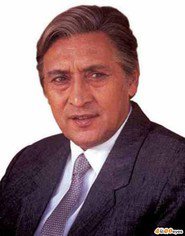
Victor Banerjee
Victor Banerjee is an Indian actor, best known for Tamil cinema. Victor Banerjee began their career in 1981 and has been a prominent figure in the industry for over 45 years. With 30 credits to their name and an average audience rating of 6.4, Victor Banerjee remains one of the most prolific and celebrated talents in the industry. Spanning 40+ years, Victor Banerjee's career remains one of the longest and most celebrated in Tamil cinema.
- Born
- Age
- 79
Biography
Victor Banerjee (born Partho Sarathi Banerjee) is a Bengali Indian actor known across Hindi, Bengali, and English-language cinema for his intellectual, character-driven roles. He achieved international recognition playing Dr. Aziz in David Lean's A Passage to India (1984), earning a BAFTA nomination, an Evening Standard British Film Award, and a National Board of Review Award (USA). He collaborated with Satyajit Ray on Shatranj Ke Khilari (1977) and Ghare Baire (1984), Mrinal Sen on Mahaprithivi (1991), and Shyam Benegal on Kalyug (1981) and Arohan (1982), establishing him as a fixture in Indian parallel cinema. He was awarded the Padma Bhushan in 2022 and is recognized as the only individual in India to have won National Awards across three separate categories.
Iconic Roles
A Passage to India
A local physician during the British Raj in 1920s India who befriends English visitors and becomes embroiled in a colonial scandal at the Marabar Caves. Banerjee's career-defining international role, earning him a BAFTA nomination and National Board of Review Award.
My Brother Nikhil
A conservative father struggling to accept his son Nikhil's HIV-positive status and homosexuality, one of his most emotionally layered roles in contemporary Hindi cinema.
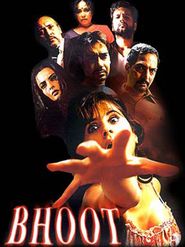
Bhoot
A psychiatrist called in to investigate a woman's increasingly disturbing behavior in Ram Gopal Varma's acclaimed horror film, bringing gravitas and credibility to the supernatural thriller.
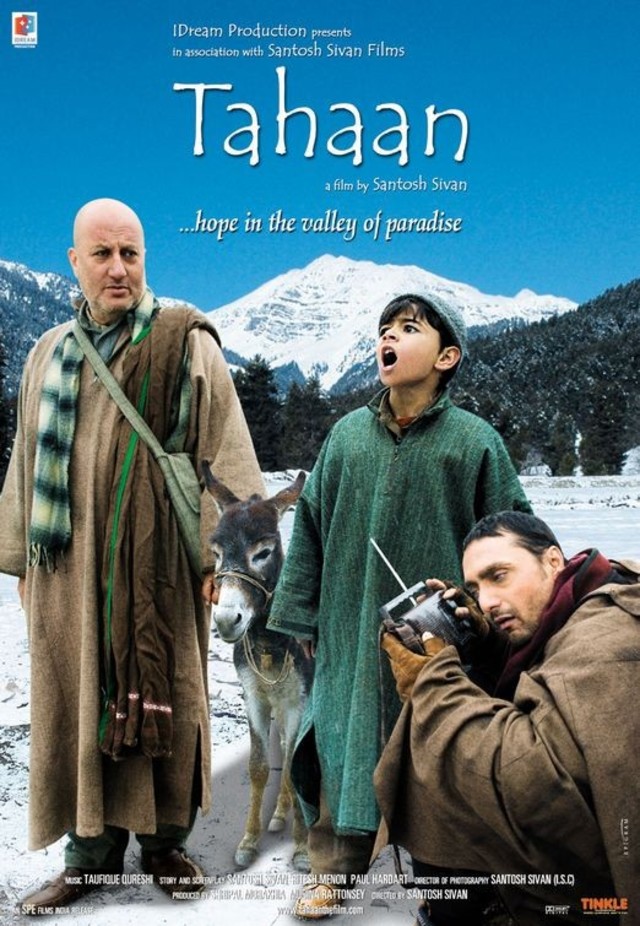
Tahaan
A gentle, loving grandfather in the Kashmir-set drama about a boy's bond with his donkey, praised for a warm and nuanced performance in this award-winning film.
Defining Moments
Bibhutibhushan Ganguly's cold-blooded exploitation of share-croppers — scenes where his jotdar character manipulates the land system to crush poor farmers despite knowing the legal reforms
Directed by Shyam Benegal and a National Award winner, Banerjee's turn as the antagonistic landlord opposite Om Puri showcased his range beyond sympathetic roles, cementing his parallel cinema credentials.
View film →Dr. Aziz's arrest and trial — the climactic accusation scene where a dignified Indian doctor is falsely accused by the colonial system, and his emotional unraveling and eventual defiance in court
Victor Banerjee's most celebrated performance; his portrayal of Dr. Aziz earned him the Evening Standard British Film Award and NBR Award, and is widely considered one of the finest performances by an Indian actor in an international production. The role brought him global recognition.
The Maraconi Caves sequence — Dr. Aziz guiding the English women through the mysterious caves, building tension before the incident that unravels his life
This extended set-piece required Banerjee to convey eager hospitality, cultural pride, and mounting dread simultaneously — critics frequently cite it as a masterclass in physical and emotional acting.
Navin Kapoor's gradual, painful acceptance of his HIV-positive son Nikhil — the scene where a rigid father's shame transforms into quiet, desperate love
His portrayal of a conservative father confronting AIDS stigma in 1980s Goa was widely praised for its restraint and emotional depth, contributing to the film's impact as a landmark in LGBTQ+ Indian cinema.
View film →The grandfather's quiet scenes with young Tahaan, anchoring the child's emotional world amid the conflict of Kashmir
Banerjee's understated warmth as the grandfather in this Kashmir-set film was noted by critics as bringing rare tenderness to a politically charged story, demonstrating his continued relevance in serious Indian cinema.
View film →Victor Banerjee by the Numbers
If you watched every Victor Banerjee film back-to-back, you'd be at it for roughly 1 day and 11h. Most-paired with Ram Gopal Varma — 2 films together.
Filmography
See all 30 credits →


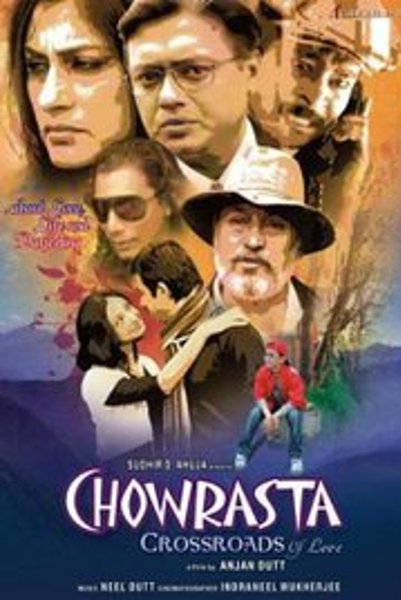
Collaboration Network
The Constellation
Top 9 most-paired collaborators. Bubble size and line thickness reflect how many films they share with Victor Banerjee.
Career Analytics
Genre Breakdown
Language Distribution
Films by Decade
Top Co-Actors
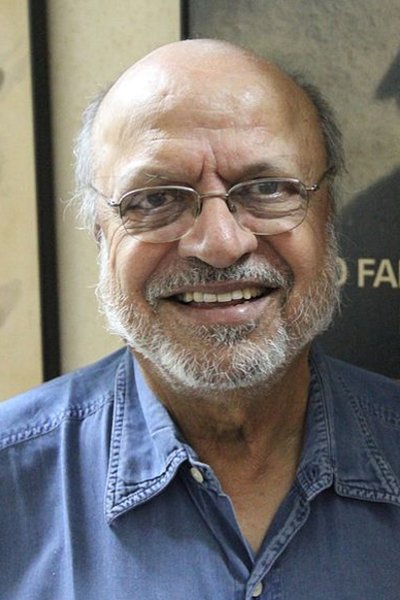
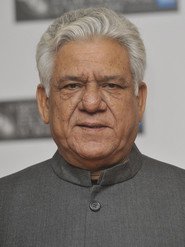
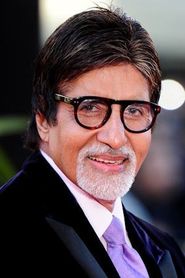
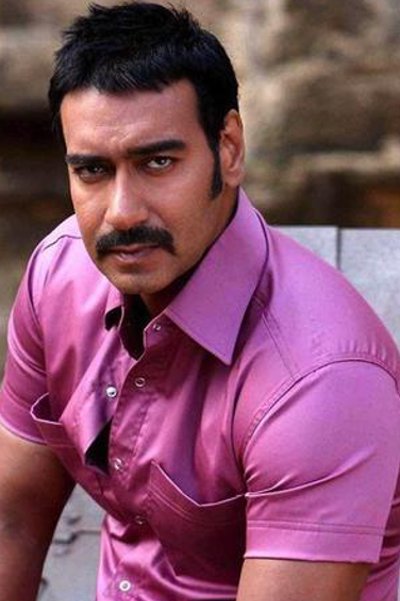
See all →Victor Banerjee has worked most frequently with Ram Gopal Varma (2 films), Shyam Benegal (2 films), Rekha (2 films), Tanisha Mukherjee (2 films), and Priyanka Chopra (2 films).





Did You Know?
Victor Banerjee is a veteran Indian actor who has worked in Bengali, Hindi, and English-language cinema.
He was nominated for the BAFTA Award for Best Actor in a Leading Role for his performance in 'A Passage to India' (1984).
He received the Padma Shri, India's fourth-highest civilian award, in 1990.
He made his film debut in Satyajit Ray's 'Ghare Baire' (The Home and the World) in 1984.
He is known for his collaborations with acclaimed directors like Satyajit Ray and David Lean.
Legacy & Influence
Victor Banerjee is a distinguished figure in Indian cinema, renowned for his profound versatility and commanding screen presence across multiple languages and cinematic traditions. His career trajectory is marked by a significant bridge between parallel, art-house cinema and mainstream commercial films. Banerjee's international breakthrough came with his poignant portrayal of Dr. Aziz Ahmed in David Lean's epic 'A Passage to India' (1984), a performance that earned him a BAFTA nomination for Best Actor and brought global attention to Indian acting talent. This role cemented his reputation for intellectual depth and nuanced characterisation. In Indian cinema, his collaboration with legendary director Satyajit Ray in 'Ghare Baire' (1984) and 'Ganashatru' (1989) showcased his ability to embody complex, conflicted characters within Ray's humanist narratives, contributing significantly to the legacy of Bengali art cinema. Beyond these auteur-driven works, Banerjee has displayed remarkable range, appearing in Hindi commercial films like 'Apne' (2007) and socially conscious projects such as 'Arohan' (1982). His career is characterised by a deliberate choice of roles that often challenge societal norms or explore moral ambiguities, whether in mainstream or independent spheres. As a bilingual actor fluent in Bengali and Hindi, and with notable work in English-language films, he has helped expand the perception of Indian actors on the world stage. His contributions extend beyond acting; he is also a respected voice and commentator on film and culture. Victor Banerjee's enduring legacy lies in his embodiment of a sophisticated, internationally-aware actor who remained deeply rooted in the storytelling traditions of India, inspiring a generation of performers to pursue roles with substantive depth across cinematic boundaries.