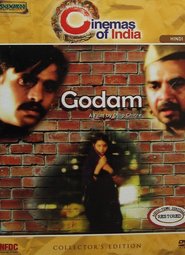
Godam(1983)
Hindi140 minstheatrical
Godam (1983) is a 140-minute Hindi film directed by Dilip Chitre. Starring Hemant Rege, Madan Jain and Achyut Potdar. With a rating of 6.5/10 reflecting mixed audience reception from 1983.
Director:Dilip Chitre
Mood:
darkemotionaldisturbing
Quick Facts
- Streaming on
- EpicOn, Airtel Xstream Play, Plex
- Theatrical Release
- 1 April 1983
- Director
- Dilip Chitre
- Language
- Hindi
- Runtime
- 2h 20m
- Rating
- 6.5/10
Storyline
A teenage girl is forced to marry a man with a mental disability. On her wedding night, her father-in-law attempts to assault her. He is killed during the fight, and she runs away.
“A forced marriage. A deadly night. A desperate escape.”
Film Details
6.5Rating
140Minutes
HindiLanguage
Release Date1 April 1983
Release Typetheatrical
Also Known AsThe Warehouse
Parental Guide
Violence
Low
Language
Low
Sex / Nudity
Mild
Drugs
Mild
Intensity
Low
Where to Watch
Vibe & Tags
Mood
darkemotionaldisturbing
Themes
survivalcorruptionfamilyjustice
Tonegritty
Pacingslow-burn
Complexitymoderate
Audiencearthouse
Best Withalone
Violence4
Emotion5
Humor1
Rewatchability2
Cast & Crew
#1
#2H
Hemant RegeIdiot Bridegroom
→
K.K. RainaActor
→#3T
TruptiActor
→#4S
Satyadev DubeyActor
→#5M
Madan JainInspector Patil
→#6
#7A
Achyut PotdarFather-in-law
→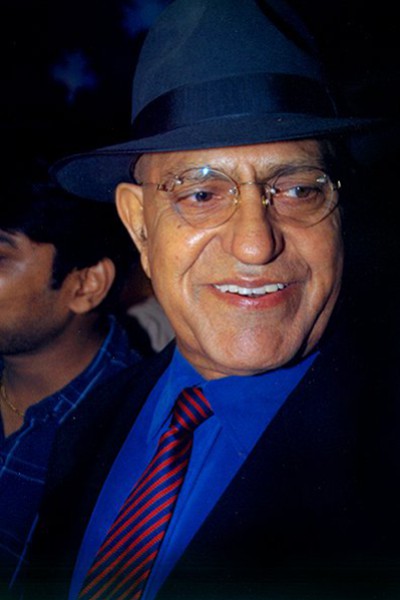
Amrish Puri(The Voice of God)
→#8D
Dilip ChitreDirector
→Reunion Meter
Frequent partnerships reunited for Godam
Cast reunions in this film: Amrish Puri & K.K. Raina (2 films together).
Trivia
- The film was based on a real-life incident reported in a Marathi newspaper, which inspired director Dilip Chitre.
- Dilip Chitre was primarily known as a celebrated Marathi poet and painter, making this his only feature film as director.
- It was shot on a very low budget, mostly on location in rural Maharashtra, using local non-actors for many roles.
- The film's title 'Godam' translates to 'warehouse' in Hindi, symbolizing the protagonist's trapped condition.
- Despite its intense subject, the film avoided a melodramatic style, using stark realism uncommon in 1980s Hindi cinema.
- It received little commercial release but was later screened at film festivals focusing on Indian parallel cinema.
- The cinematography emphasized natural light and sparse settings to reflect the bleakness of the story.