Madan Jain
Madan Jain is an Indian actor, best known for Tamil cinema. Madan Jain began their career in 1982. With 30 credits to their name and an average audience rating of 6.1, Madan Jain remains one of the most prolific and celebrated talents in the industry. Spanning 40+ years, Madan Jain's career remains one of the longest and most celebrated in Tamil cinema.
Biography
Madan Jain is an Indian actor known for character and supporting roles in Hindi cinema, active from 1980 to the 2010s. He is recognized for his role as Vilas Chitre in Mahesh Bhatt's Saaransh (1984) alongside Anupam Kher, and appeared in films such as Ankush (1986), Sangharsh (1999) with Akshay Kumar, and Heartless (2014). He began his career with Albert Pinto Ko Gussa Kyon Ata Hai (1980) and built a consistent body of work in Shyam Benegal and other parallel cinema productions. Beyond film, he had recurring roles in television serials including the horror anthology Aahat and C.I.D.
Career Milestones
Film debut
Breakthrough supporting role as Venkat Raju
View film →Critically acclaimed role as Vilas Chitre in Mahesh Bhatt's drama
View film →Notable role in youth drama about unemployment
View film →Long-running television work as recurring character in crime procedural
Defining Moments
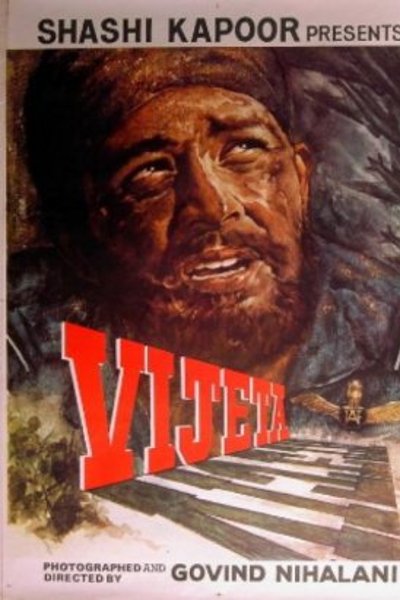
Playing Venkat Raju, one of Angad's close friends at the National Defence Academy, portraying the bonds of camaraderie and sacrifice in the Indian Air Force
Vijeta (rated 7.7 on IMDb) is a landmark Indian war drama directed by Govind Nihalani. Madan Jain's role as Venkat Raju contributed to the film's authentic portrayal of NDA friendships and the psychological cost of military life — a critically praised parallel cinema work.
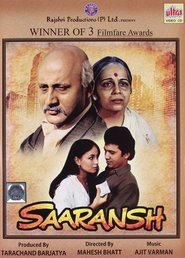
View film →Vilas Chitre refuses to acknowledge his pregnant girlfriend Sujata, eventually being forced by circumstances to flee the city with her — embodying cowardice and moral failure under parental pressure
Saaransh was India's official entry for the 1985 Academy Award for Best Foreign Language Film (rated 8.1 on IMDb). Vilas Chitre is central to the film's moral conflict — his spinelessness and eventual reckoning forms the catalyst for the story's emotional arc. The role showcased Madan Jain's ability to portray morally ambiguous, pressure-laden characters.
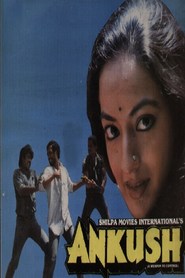
View film →Playing Shashi, one of the unemployed, disillusioned youth in Mumbai's working class milieu, navigating desperation and social alienation
N. Chandra's Ankush was a critically noted film addressing unemployment and youth frustration in urban India. Madan Jain's portrayal as part of the ensemble of struggling young men gave the film its raw, grounded energy — frequently cited as an example of socially conscious parallel cinema.
View film →Madan Jain by the Numbers
If you watched every Madan Jain film back-to-back, you'd be at it for roughly 18 hours. Most-paired with Amrish Puri — 2 films together.
Filmography
See all 30 credits →
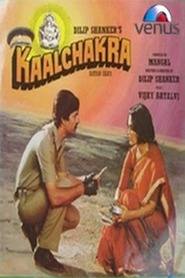
Collaboration Network
The Constellation
Top 3 most-paired collaborators. Bubble size and line thickness reflect how many films they share with Madan Jain.
Career Analytics
Genre Breakdown
Language Distribution
Films by Decade
Top Co-Actors
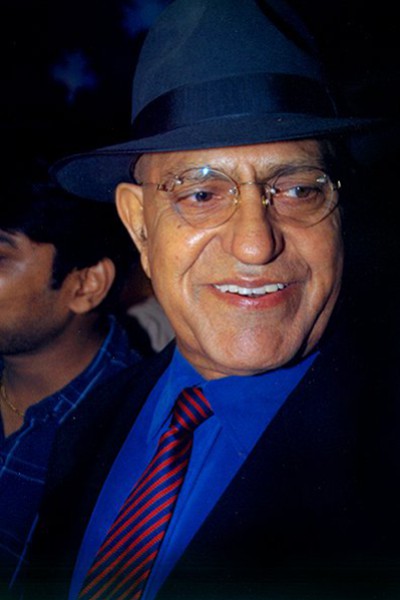
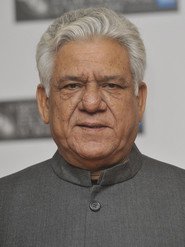
See all →Madan Jain has worked most frequently with Amrish Puri (2 films), Om Puri (2 films), and Raja Bundela (2 films).

Legacy & Influence
Madan Jain is a character actor whose presence in Indian cinema, though not widely documented, is anchored by his role in the critically acclaimed film 'Saaransh' (1984). Directed by Mahesh Bhatt, 'Saaransh' is a landmark film in Indian parallel cinema, exploring themes of grief, aging, and resilience in Mumbai. Jain's portrayal of Vilas Chitre, a supportive friend to the protagonist, contributed to the film's authentic and grounded ensemble cast. This performance, within a film that remains a touchstone for realistic storytelling, forms the core of his recognized cinematic contribution. His subsequent appearance in 'Ankush' (1986), a gritty drama emblematic of the 1980s youth angst genre, further places him within a wave of films that addressed social issues with a raw, urban aesthetic. The significant gap in his filmography until a minor role in 'Heartless' (2014) suggests a career that was either selective or shifted away from the mainstream spotlight. Consequently, Madan Jain's legacy is intrinsically tied to the impactful narratives of 'Saaransh' and 'Ankush'. His work represents the essential, often understated contributions of character actors who provide depth and realism to pivotal films. These performances helped shape the texture of Indian parallel and issue-based cinema during the mid-1980s, a period noted for its artistic daring and social commentary. While not a widely recognized public figure, his association with these specific films ensures his place as a part of important cinematic history.