Jyoti(1981)
Jyoti (1981) is a 144-minute Hindi film directed by Pramod Chakravorty. Starring Om Shivpuri, Ajit Khan and Shashikala. With a rating of 6.5/10 reflecting mixed audience reception from 1981.
Quick Facts
- Streaming on
- ZEE5, Airtel Xstream Play, Plex, Prime Video, YouTube
- Theatrical Release
- 31 December 1981
- Director
- Pramod Chakravorty
- Language
- Hindi
- Runtime
- 2h 24m
- Rating
- 6.5/10
Storyline
A mother stops her son from marrying a poor village girl, Gauri, and arranges for Gauri to marry an older man instead. Gauri agrees, but finds she has no power in a household controlled by the mother and her scheming servants. With others plotting to steal the family's money, Gauri must choose between staying trapped or fighting for her freedom.
“A woman's choice: break free or remain bound.”
Film Details
Parental Guide
Where to Watch
Vibe & Tags
Cast & Crew


Reunion Meter
Frequent partnerships reunited for Jyoti
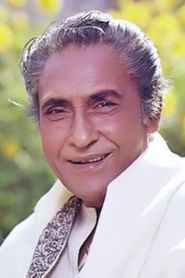
Cast reunions in this film: Hema Malini & Jeetendra (11 films together), Hema Malini & Om Shivpuri (10 films together), Ashok Kumar & Jeetendra (7 films together), Jeetendra & Om Shivpuri (7 films together), Jeetendra & Deven Verma (6 films together), and Ashok Kumar & Deven Verma (5 films together).
Trivia
- The film was directed by Pramod Chakravorty, who was better known for his lavish productions like 'Love in Tokyo' and 'The Great Gambler'.
- Jyoti was one of the few films where actress Moushumi Chatterjee played a dramatic role as the oppressed daughter-in-law, Gauri.
- The movie featured veteran actor Ashok Kumar in a supporting role, continuing his long career in Hindi cinema into the 1980s.
- It was released during a period when family dramas about marital oppression were common in Bollywood, following the success of films like 'Griha Pravesh'.
- The soundtrack was composed by R.D. Burman, but it did not achieve the same popularity as his other works from that era.
- Some scenes were shot in traditional haveli settings, which were typical for depicting joint family conflicts in films of that time.
- The film's plot reflects social issues like forced marriage and property disputes, which were frequent themes in early 1980s Indian cinema.