Bappi Lahiri & Birbal Movies Together List — 4 Films
Complete Movies List & Collaboration History
Last updated: 2026-07-12 · Data sources: Wikipedia, TMDB
Bappi Lahiri and Birbal appeared together in 4 Hindi films between 1981 and 1995. Their highest-rated collaboration was Jyoti (1981 — 6.5/10). Films span Jyoti (1981) through Hum Sab Chor Hain (1995).
The Bappi Lahiri & Birbal partnership
From Jyoti (1981) to Hum Sab Chor Hain (1995). The unfolded closed with Hum Sab Chor Hain in 1995. It started with Jyoti (1981).
The shape of the work
The 1980s belonged to Jyoti; the 1990s to Aakhri Cheekh. Bappi Lahiri scored every film; Birbal acted in all of them. Strictly Hindi cinema — they never crossed industries together.
4 films across 2 decades
The 1980s accounted for 2 films, averaging 6.0/10.
The 1990s accounted for 2 films, averaging 3.3/10.
- Jyoti
- Meri Adalat
- Aakhri Cheekh
- Hum Sab Chor Hain
The partnership in numbers
Partnership Pattern
4 films across 14 years represents consistent collaboration.
Language Distribution
Linguistic diversity: 1 language, with Hindi being their primary medium.
Where each was in their career
Before Jyoti, Bappi Lahiri had starred in 3 films, including Aur Kaun? (1979) and Ahsaas (1979).
After Hum Sab Chor Hain, Bappi Lahiri went on to appear in 8 more films, including Why Cheat India (2019) and Department (2012).
Before Jyoti, Birbal had starred in 7 films, including Aanchal (1980) and Man Pasand (1980).
After Hum Sab Chor Hain, Birbal went on to appear in 4 more films, including Buddha Mar Gaya (2007) and 10 Nahi 40 (2022).

Collaboration Journey
A chronological view of Bappi Lahiri & Birbal's professional partnership
Actors and musicians who worked on most of their films
Jeetendra is the through-line — cast on 2 of their 4 films.
 2
2 2
2







Other iconic Hindi director-actor duos
Discover other partnerships with comparable filmographies and ratings
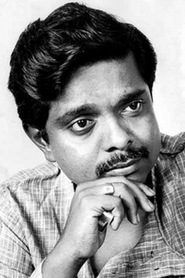 Sadashiv Amrapurkar
 Rakesh Bedi
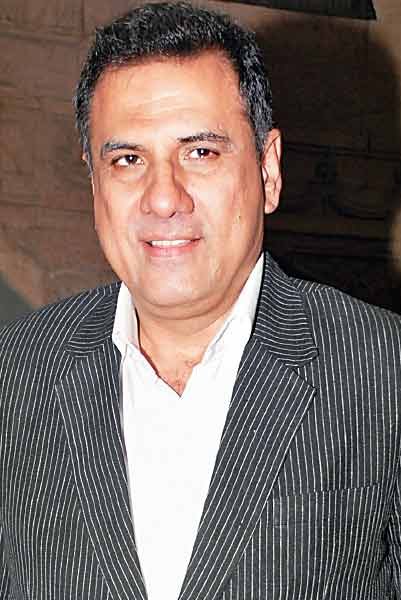 Boman Irani
 Manisha Koirala
 Anil Kapoor
 Lara Dutta
 Rahul Dev
 Rani Mukerji
 Anita Raj