

Manamantha(2016)
Manamantha is an Indian Telugu family drama film written and directed by Chandra Sekhar Yeleti, starring Mohanlal, Gautami, Viswant Duddumpudi and Raina Rao in lead roles. A dubbed Tamil version titled Namadhu will release simultaneously along with the original versions in Telugu (Manamantha) and Malayalam (Vismayam). The film is scheduled to be released on 5 August 2016.
Quick Facts
- Streaming on
- Amazon Prime Video, JioHotstar
- Theatrical Release
- 5 August 2016
- Director
- Chandra Sekhar Yeleti
- Language
- Telugu
- Runtime
- 2h 20m
- Rating
- 8.1/10
Storyline
A supermarket assistant manager makes a bad choice to get ahead at work. Meanwhile, a housewife carefully runs her home, a girl searches for her missing friend, and a student falls in love. These four separate stories are all connected by family.
“Four lives. One family. Bound by a single choice.”
Film Details
Parental Guide
Where to Watch
Vibe & Tags
Cast & Crew



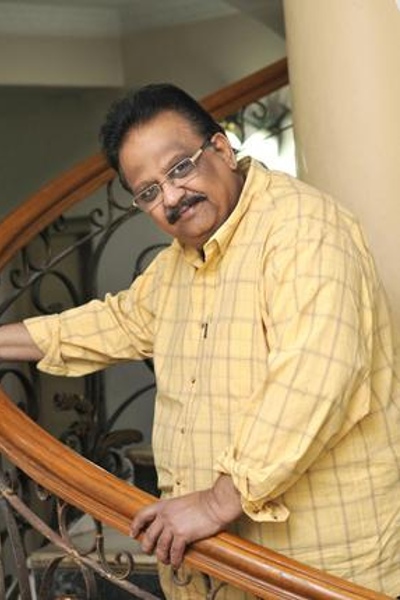
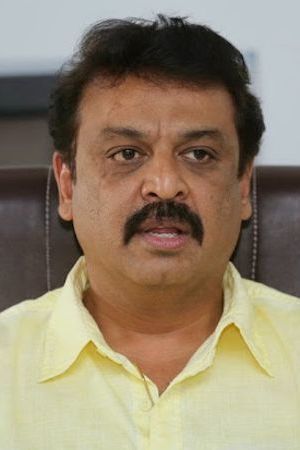

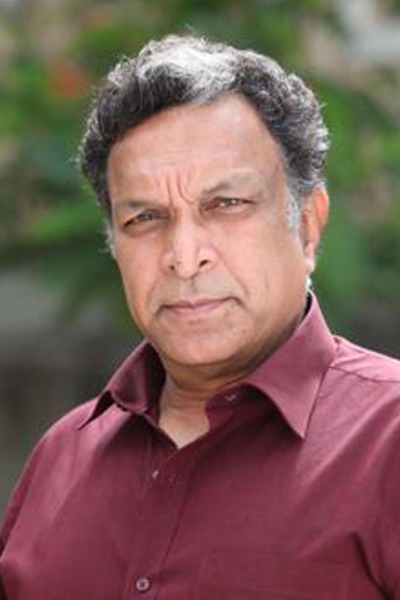

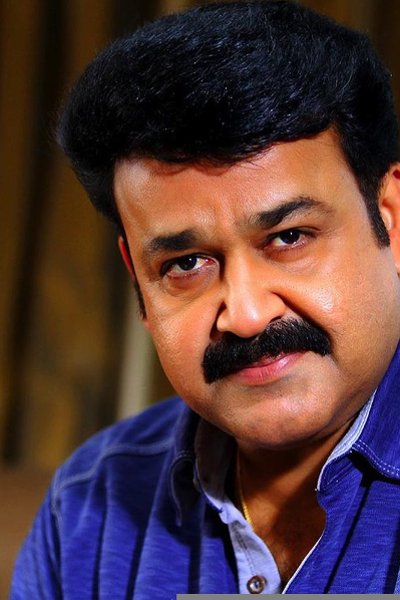
Reunion Meter
Frequent partnerships reunited for Manamantha
Cast reunions in this film: Nassar & Gouthami (10 films together), Nassar & Vennela Kishore (9 films together), Nassar & Urvashi (8 films together), Naresh & Vennela Kishore (8 films together), Mohanlal & Nassar (3 films together), and Nassar & S. P. Balasubrahmanyam (3 films together).
Trivia
- The film was simultaneously shot in Telugu and Tamil, with the Tamil version titled 'Mohan 3D'.
- It was inspired by the 2013 Spanish film 'Living Is Easy with Eyes Closed', which itself was based on a true story.
- The film marked a rare multi-story family drama for director Chandra Sekhar Yeleti, known for thrillers like 'Aithe'.
- Actress Visaka Singh, who plays Gayatri, took a long break from films before this role and prepared by observing middle-class homemakers.
- The child actor who played the street child, Mahitha's friend, was reportedly cast from a real-life shelter home.
- Despite critical praise, the film had a modest box office run, partly due to limited promotional spending.
- The soundtrack was composed by Mahesh Shankar, who used subtle themes to connect the four separate stories.