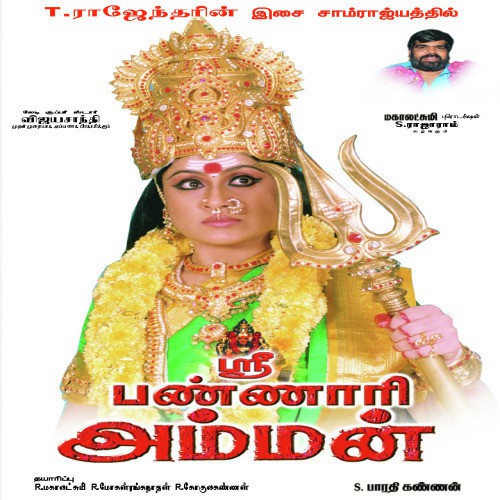
Sri Bannari Amman(2002)
Sri Bannari Amman is a 2002 Indian Tamil-language devotional film written and directed by Bharathi Kannan. The film stars Vijayashanti in the title role as the goddess Bannari Amman, alongside Karan, Laya, and Vadivelu. The story follows the goddess who descends to Earth in human form to heal the sick and protect a village from a cruel tyrant named Vellangiri. The film features music composed by T. Rajendar and was shot at multiple temples across South India including the Bannari Amman temple in Thiruvakkarai. It received mixed reviews from critics who praised the devotional songs but criticized the weak screenplay. The film was later dubbed into Telugu as Maha Chandi. It released in April 2002 and is available on Prime Video.
Quick Facts
- Streaming on
- Amazon Prime Video, Eros Now, YouTube
- Theatrical Release
- 12 April 2002
- Director
- Bharathi Kannan
- Language
- Tamil
- Runtime
- 2h 29m
- Rating
- 4.0/10
Storyline
A goddess takes human form to heal the sick and protect a village from a cruel tyrant. She uses her divine powers to cure diseases and fight evil forces. But the villain uses dark magic to summon a demon. The goddess must battle the demon to save her devotees and restore peace.
“Faith heals all wounds”
Film Details
Parental Guide
Where to Watch
Vibe & Tags
Cast & Crew




Reunion Meter
Frequent partnerships reunited for Sri Bannari Amman
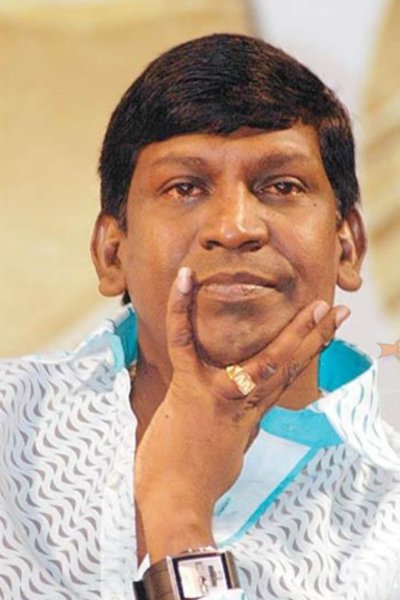
Cast reunions in this film: Vadivelu & Kushboo (10 films together), Vadivelu & Karan (7 films together), Karan & Kushboo (4 films together), Karan & Bharathi Kannan (3 films together), and Vadivelu & Bharathi Kannan (2 films together).
Trivia
- The film was shot in the actual Bannari Amman temple area in Tamil Nadu, adding authenticity to its religious setting.
- Director Bharathi Kannan was known for devotional films, and this was his second movie featuring actress Roja in a divine role.
- Actress Roja performed many scenes without body doubles, including sequences where she carried heavy pots as part of her character's duties.
- The movie's soundtrack, composed by Sirpy, included devotional songs that became popular in local temple festivals.
- It was released during a period when Tamil cinema saw a surge in goddess-themed films, reflecting regional religious demand.
- The film avoided typical commercial dance numbers, focusing instead on traditional rituals and village aesthetics.
- Some scenes were filmed in natural village locations with local residents as extras to capture realistic rural life.