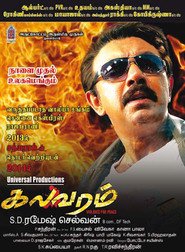
Kalavaram(2014)
Kalavaram (English: Riot) is a 2014 Tamil-language action drama film directed by S. D. Ramesh Selvan and produced by Ravichandran. The film stars Sathyaraj and Tanikella Bharani in lead roles. The story follows four college students who witness a communal riot in Madurai and decide to testify against the perpetrators. When the system fails to deliver justice, the students are imprisoned for their efforts. Their sacrifice forces the government to appoint a retired police officer to lead an inquiry commission. The film was praised for its honest portrayal of corruption and the courage of ordinary citizens. It was released on January 14, 2014.
Kalavaram is streaming on Sun NXT and Airtel Xstream Play.
Where to watch:Quick Facts
- Streaming on
- Sun NXT, Airtel Xstream Play, JioTV, Amazon Prime Video
- Theatrical Release
- 14 January 2014
- Director
- Ramesh Selvan
- Language
- Tamil
- Runtime
- 2h 12m
- Rating
- 4.5/10
Storyline
Four college students witness a brutal riot in Madurai. The goons who started the violence are released due to lack of evidence. The students decide to become witnesses for the victims' families. They risk everything to unmask the real criminals. But the system turns against them, and they end up in prison.
“One truth. Four voices. No turning back.”
Film Details
Parental Guide
Where to Watch
Vibe & Tags
Cast & Crew
Reunion Meter
Frequent partnerships reunited for Kalavaram
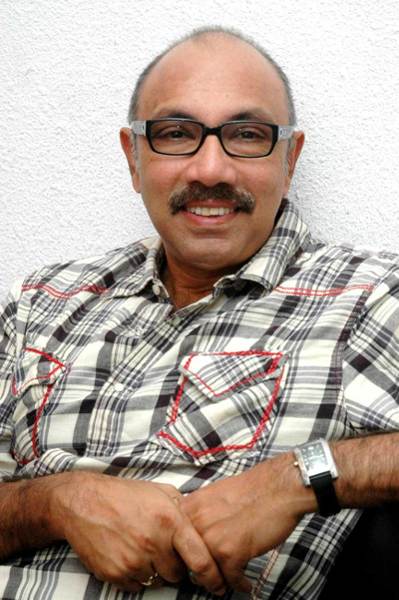
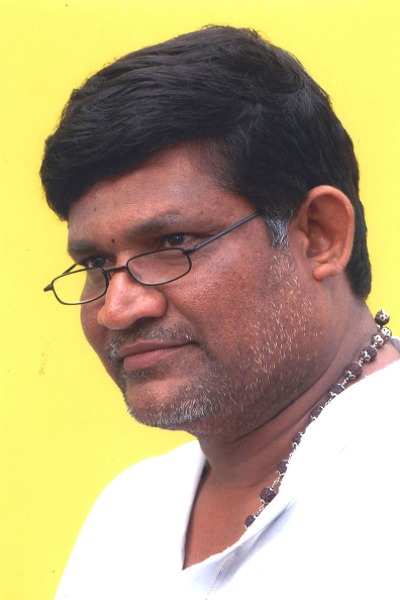
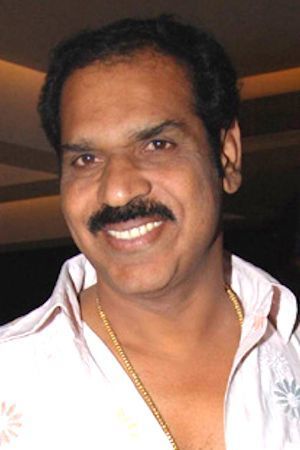
Cast reunions in this film: Sathyaraj & Raj Kapoor (9 films together), Sathyaraj & Mayilsamy (6 films together), and Sathyaraj & Tanikella Bharani (4 films together).
Trivia
- The film was shot in just 21 days, an unusually short schedule for a feature-length movie.
- Director Ramesh Selvan D S previously worked as an assistant director on several big-budget Tamil films before making his debut with this movie.
- The story was inspired by real-life incidents of communal violence and subsequent student protests in Tamil Nadu.
- Actor Vemal, known for comic roles, took on a serious character in this film to break his usual image.
- The movie's climax was filmed at a real, decommissioned prison to add authenticity to the scenes.
- Despite its serious theme, the film had a very limited theatrical release and primarily reached audiences through television broadcasts.
- The background score was composed by a debutant music director, Ganesh Raghavendra, who used minimal instruments to create a tense atmosphere.