Mugam(1999)
Mugam (1999) is an Indian Tamil-language social drama film written and directed by Gnana Rajasekaran. The film stars Nassar and Roja in lead roles, with Manivannan and Vivek in supporting parts. The story follows a man whose face is completely reconstructed after a car accident, leading to a crisis of identity when his family and society fail to recognize him. The film critiques societal obsession with physical appearance and explores the deeper question of what defines a person's true identity. It is noted for its experimental narrative and emotional depth, receiving praise for its honest storytelling and strong performances. Mugam was released in 1999 in theaters across Tamil Nadu.
Mugam (1999) OTT release date is not officially announced yet — GudVibe tracks its streaming availability daily.
Where to watch:Quick Facts
- Theatrical Release
- 1 October 1999
- Director
- Gnana Rajasekaran
- Language
- Tamil
- Runtime
- 1h 50m
- Rating
- 7.5/10
Storyline
A man named Rajan survives a horrific car accident that destroys his face. Surgeons reconstruct his appearance completely. When he returns home, his wife and daughter do not recognize him. He must fight to prove he is the same person inside, while society and even his own family treat him like a stranger.
“Your face changes. Your soul doesn't.”
Film Details
Parental Guide
Vibe & Tags
Cast & Crew
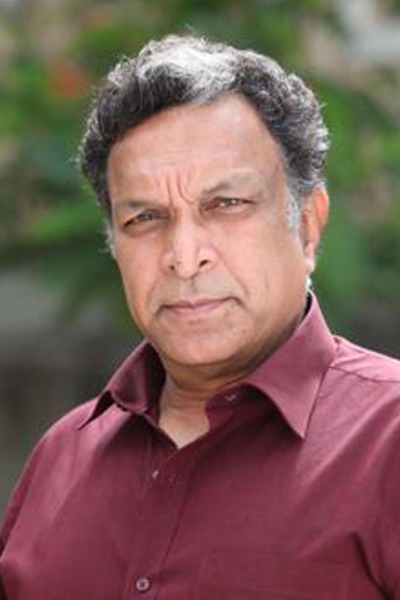

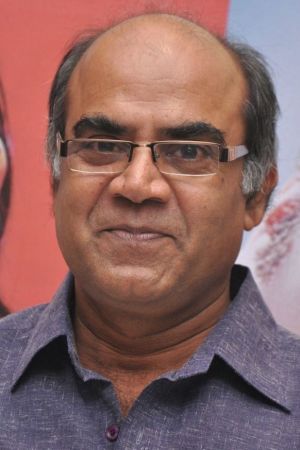
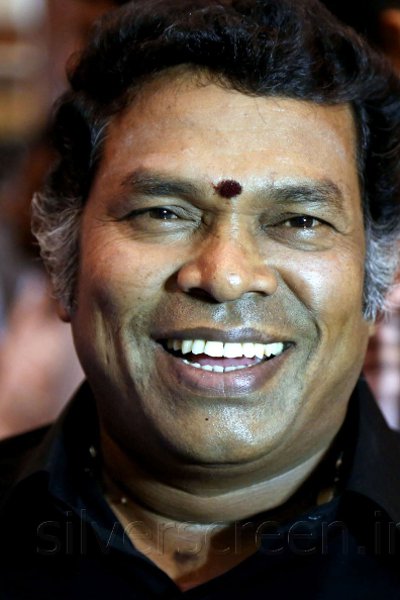

Reunion Meter
Frequent partnerships reunited for Mugam
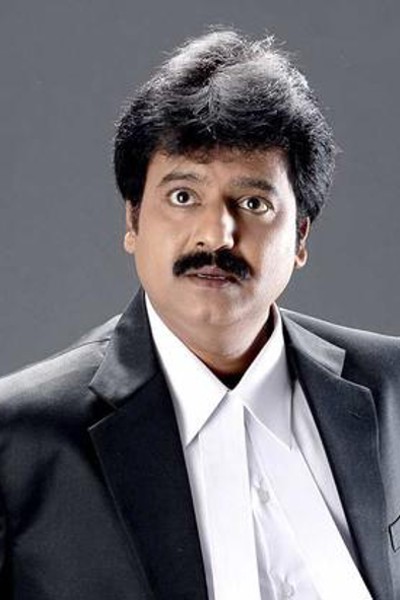
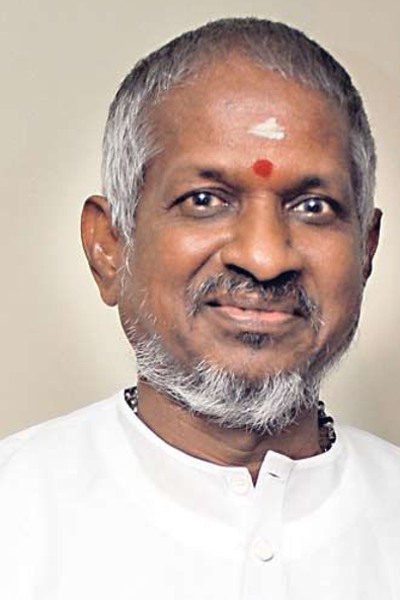
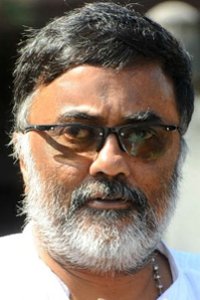
Cast reunions in this film: Nassar & Ilayaraja (49 films together), Manivannan & Ilayaraja (41 films together), Vivek & Nassar (23 films together), Vivek & Manivannan (23 films together), Nassar & Thalaivasal Vijay (20 films together), and Thalaivasal Vijay & Ilayaraja (19 films together).
Trivia
- The film's story is loosely inspired by the 1994 Hollywood movie 'The Mask', but with a darker and more philosophical take on beauty and identity.
- Director Gnana Rajasekaran is better known for his realistic, socially conscious films, making this fantasy-themed movie an unusual entry in his filmography.
- The mask prop used in the film was specially designed to have a distinct, almost theatrical look, different from the comic-book style of the Hollywood version.
- The movie did not perform well commercially, which some attribute to its bleak ending contrasting with the more upbeat Tamil cinema trends of the late 1990s.
- A few critics noted that the film's theme critiqued the Tamil film industry's own emphasis on the physical appearance of heroes.
- The soundtrack was composed by Deva, a popular composer at the time, but the songs did not become major hits like his other works.