Gnana Rajasekaran
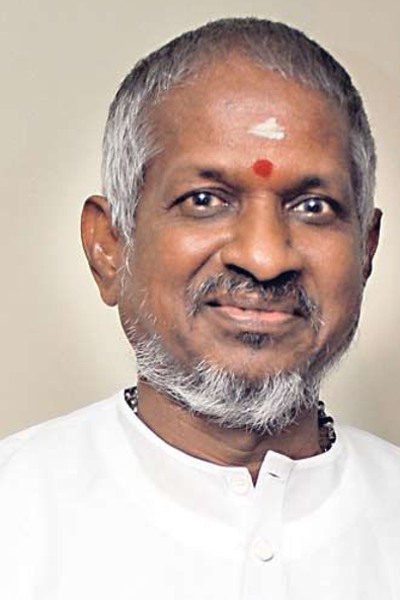
Gnana Rajasekaran is an Indian director, best known for Tamil cinema. Gnana Rajasekaran began their career in 1995 and has been a prominent figure in the industry for over 31 years. With 30 credits to their name, Gnana Rajasekaran remains one of the most prolific and celebrated talents in the industry. Spanning 30+ years, Gnana Rajasekaran's career remains one of the longest and most celebrated in Tamil cinema.
- Born
- Age
- 73
Biography
Gnana Rajasekaran is a Tamil film director, screenwriter, playwright, and former IAS officer who specializes in biographical films about significant Tamil and Indian cultural figures. His debut film Mogamull (1995) won the Indira Gandhi Award for Best Debut Film of a Director at the 42nd National Film Awards, and his biopic Bharathi (2000) on poet Subramania Bharathi earned four National Film Awards and six Tamil Nadu State Film Awards. His film Periyar (2007), starring Satyaraj and Khushbu as E.V. Ramaswamy, won the Best Feature Film in Tamil at the 48th National Film Awards. His research-driven filmography — spanning Periyar's social reform movement, Tamil literary heritage, and the mathematics of Srinivasa Ramanujan (Ramanujan, 2014) — marks him as Tamil cinema's foremost director of prestige historical biopics.
Career Milestones
Directorial debut with Mogamul, winning the Indira Gandhi Award for Best Debut Film of a Director
Bharathi biopic wins four National Film Awards and six Tamil Nadu State Film Awards
View film →Periyar biopic wins Best Feature Film in Tamil at the 55th National Film Awards and screens at international film festivals
View film →Released Ramanujan, a biopic on mathematician Srinivasa Ramanujan
Defining Moments
The debut adaptation of Thi. Janakiraman's 1950 novel — Rajasekaran's translation of literary Tamil prose into cinematic language, preserving the novel's emotional texture while making it accessible to a mainstream audience
Won the Indira Gandhi Award for Best Debut Film of a Director at the 42nd National Film Awards, establishing Rajasekaran — then a serving IAS officer — as a serious auteur and setting the template for his literary-biographical style.
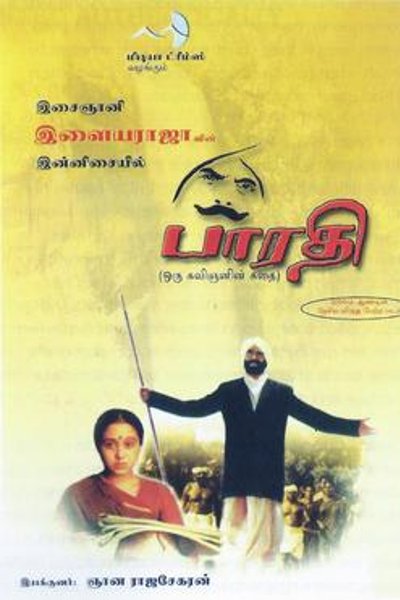
View film →Bharathi composing nationalist poetry amid colonial suppression — the film's dramatisation of Subramania Bharathi's creative defiance under British rule, rendered with period authenticity and Sayaji Shinde's restrained performance
The film won four National Film Awards and six Tamil Nadu State Film Awards; its depiction of a poet-revolutionary became a reference point for Tamil biographical cinema and screened officially in Europe, the USA, and Sri Lanka.
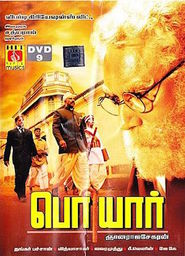
View film →Periyar's pilgrimage to Kashi scene — disguising himself with a sacred thread to enter a Brahmin-only choultry after starving, only to be caught and humiliated — a pivotal turning point that crystallises his rejection of caste religion
Widely cited as the film's emotional and ideological core. Rajasekaran uses this single incident to explain Periyar's lifelong war on caste without resorting to polemic, earning the film the Best Feature Film in Tamil at the 55th National Film Awards and screenings at international festivals.
View film →Gnana Rajasekaran by the Numbers
If you watched every Gnana Rajasekaran film back-to-back, you'd be at it for roughly 11 hours. Most-paired with Ilayaraja — 3 films together.
Filmography
See all 30 credits →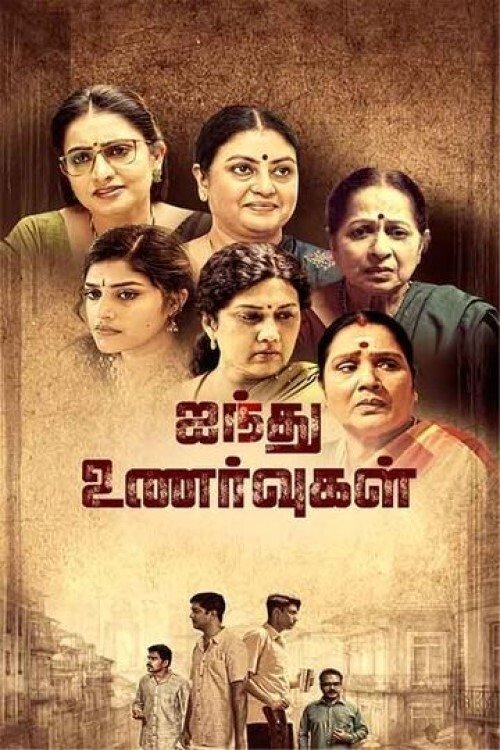
Collaboration Network
The Constellation
Top 3 most-paired collaborators. Bubble size and line thickness reflect how many films they share with Gnana Rajasekaran.
Career Analytics
Genre Breakdown
Language Distribution
Films by Decade
Top Co-Actors
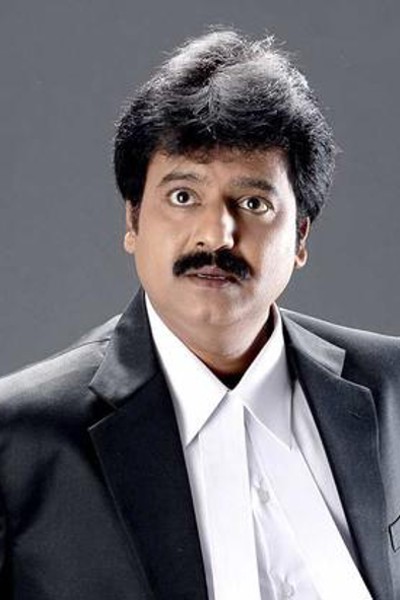
See all →Gnana Rajasekaran has worked most frequently with Vivek (2 films), Ilayaraja (3 films), and Thangar Bachan (2 films).

Legacy & Influence
Gnana Rajasekaran is a distinguished Indian film director and screenwriter, primarily known for his significant contributions to Tamil cinema. His career is marked by a deliberate focus on biographical and historical narratives, often centering on eminent literary and social figures. This choice has carved a unique niche for him within the industry, positioning him as a filmmaker dedicated to preserving and dramatizing important cultural and intellectual histories. His filmography is characterized by meticulous research and a commitment to factual storytelling, eschewing commercial formulas for substantive content. Notable works include 'Bharathi' (2000), a biopic on the revolutionary Tamil poet Subramania Bharati, which was critically acclaimed for its depth and authenticity. He further solidified his reputation with films like 'Periyar' (2007), based on the social reformer E. V. Ramasamy, and 'Iyarkai' (2003), which explored human relationships with nature. His later works, such as 'Ramanujan' (2014), based on the mathematician Srinivasa Ramanujan, and 'Sarvam Thaala Mayam' (2019), which delved into the complexities of Carnatic music and caste, demonstrate his consistent thematic pursuit. Rajasekaran's primary contribution lies in elevating the biographical genre in Tamil cinema, bringing scholarly rigor and narrative compassion to stories of seminal Indian personalities. His films serve as accessible cinematic records of these figures' lives and ideologies, educating audiences while providing thoughtful entertainment. His approach has influenced a segment of filmmakers to pursue content-driven projects rooted in real-life stories, thereby enriching the diversity of narratives in South Indian cinema. While not a prolific maker of mainstream commercial films, his body of work stands as a testament to the power of cinema as a medium for cultural documentation and intellectual engagement.