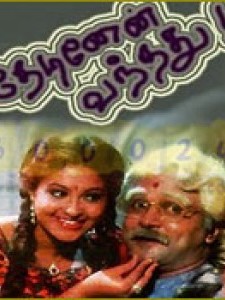
Thedinen Vanthathu(1997)
Thedinen Vanthathu is a 1997 Indian Tamil-language comedy film directed by Ravi Varma. The cast includes Prabhu, Goundamani, Mantra, and Amrutha. The story follows a watchman who loses his job after a bank robbery and later gets entangled in a series of bag swaps involving stolen money. The film is known for its fast-paced humour and Crazy Mohan's sharp dialogue writing. It was released on 30 October 1997, coinciding with the Diwali festival. The movie received positive reviews for its comedy and performances.
Thedinen Vanthathu (1997) OTT release date is not officially announced yet — GudVibe tracks its streaming availability daily.
Where to watch:Quick Facts
- Theatrical Release
- 30 October 1997
- Director
- Ravi Varma
- Language
- Tamil
- Runtime
- 2h 30m 0
Storyline
A watchman named Velumani loses his job after thieves rob his bank. He then pretends to be a bank manager at a hotel. When a bag of stolen money gets mixed up with other bags, Velumani and his friend Tamizhmani must find it before the thieves or a family moving into their hiding spot.
“Searching for money, finding laughter”
Film Details
Parental Guide
Vibe & Tags
Cast & Crew




Reunion Meter
Frequent partnerships reunited for Thedinen Vanthathu
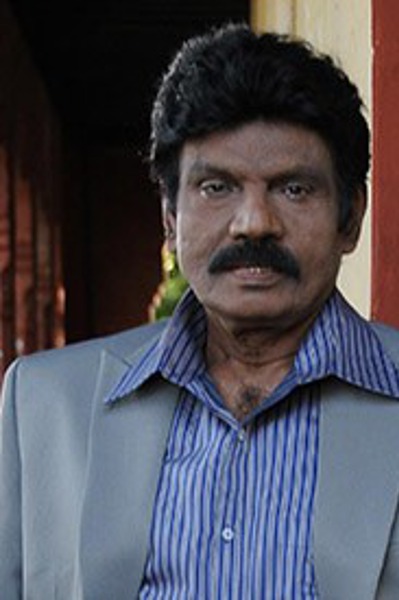
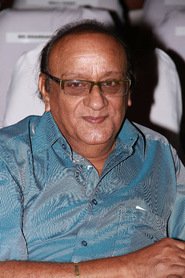
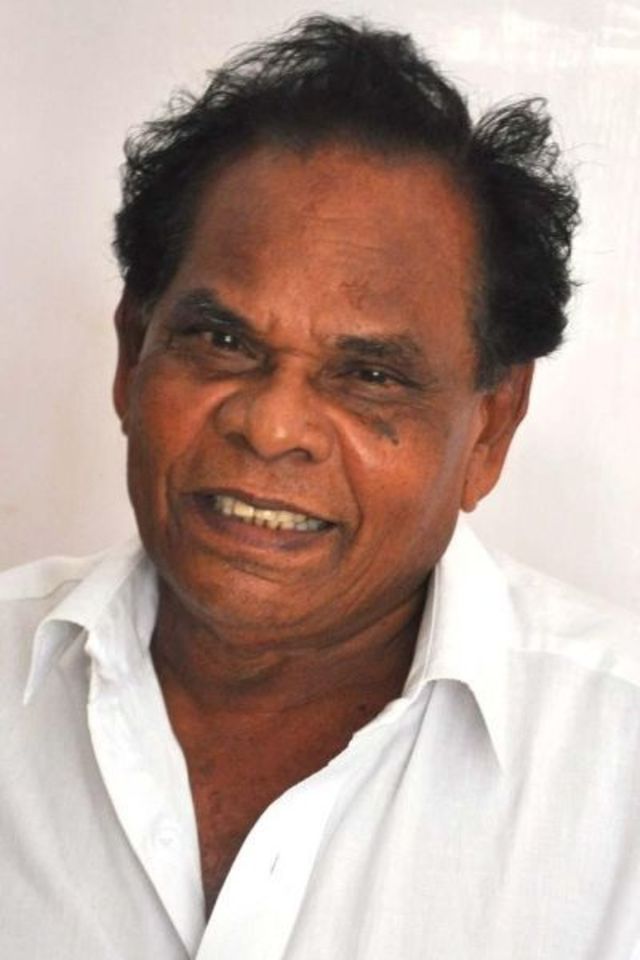
Cast reunions in this film: Prabhu & Goundamani (18 films together), Venniradai Moorthy & Goundamani (14 films together), Mantra & Raasi (9 films together), Prabhu & Venniradai Moorthy (8 films together), Goundamani & Sirpy (7 films together), and Goundamani & Kumarimuthu (6 films together).

Trivia
- The film's director Ravi Varma was also a noted cinematographer who shot for many popular films in the 1980s.
- This was one of the early major film roles for actor Livingston, who later became famous as a director.
- The comedy track involving the hidden bag was compared by some critics to plots in older Tamil farces.
- The movie's title translates to 'I Came Searching', which directly hints at the main plot of retrieving the bag.
- Actress Roja, who played the female lead, was already a well-established star in Telugu cinema before this Tamil release.
- Parts of the film were shot in and around Chennai, using bungalow sets to create the occupied house setting.
- The soundtrack by composer S. A. Rajkumar did not become a major hit, unlike his scores for other films in the same period.