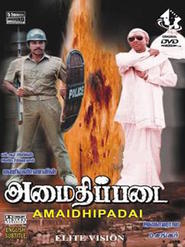
Amaidhi Padai(1994)
Amaidhi Padai is a 1994 Tamil-language political action crime drama film directed by Manivannan. The film stars Sathyaraj in a dual role, alongside Ranjitha, Kasthuri, and Sujatha. The story follows an ambitious and unscrupulous man who rises from poverty to become a powerful minister through unethical means. His illegitimate son, a police inspector, is posted in his constituency and vows to stop his father's illegal activities. The film is notable for its sharp political satire and Sathyaraj's acclaimed performance. It was released on 13 January 1994 in India.
Amaidhi Padai is streaming on Prime Video and Airtel Xstream Play.
Where to watch:Quick Facts
- Streaming on
- Prime Video, Airtel Xstream Play, Apple TV (Eros Now Select)
- Theatrical Release
- 13 January 1994
- Director
- Manivannan
- Language
- Tamil
- Runtime
- 2h 52m
- Rating
- 5.1/10
Storyline
A poor man named Ammavasai dreams of owning a palace. He enters politics and uses lies, violence, and murder to become a powerful minister. But his illegitimate son, an honest police inspector, is determined to bring him to justice. A father and son face off in a battle between power and law.
“Power has a price. Family too.”
Film Details
Parental Guide
Where to Watch
Vibe & Tags
Cast & Crew






Reunion Meter
Frequent partnerships reunited for Amaidhi Padai
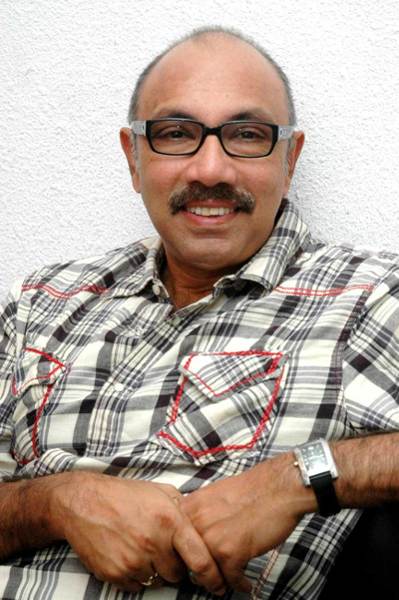
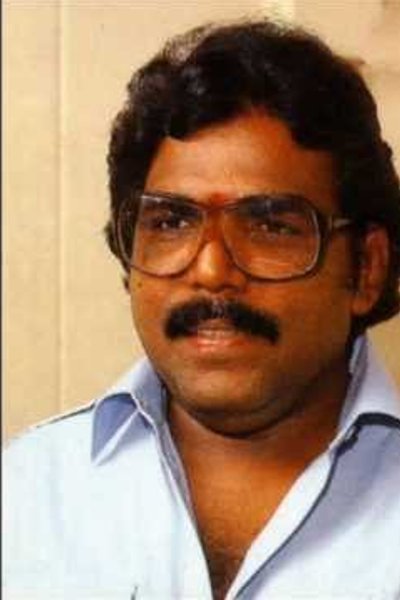
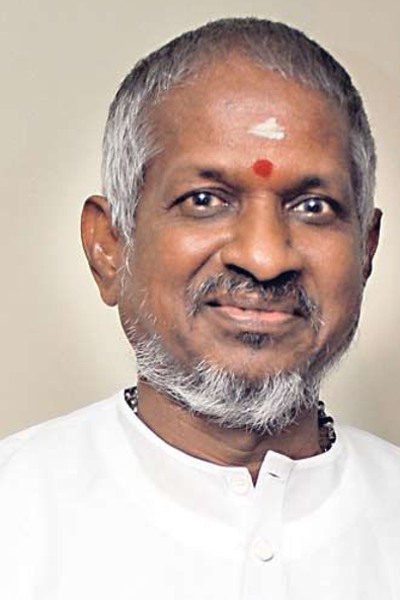
Cast reunions in this film: Sathyaraj & Ilayaraja (53 films together), Manivannan & Ilayaraja (41 films together), Sathyaraj & Manivannan (29 films together), Ilayaraja & S. S. Chandran (24 films together), Ilayaraja & Sujatha (20 films together), and Ilayaraja & Ganthimathi (17 films together).
Trivia
- The film's title 'Amaidhi Padai' translates to 'Peace Force', which is ironic given the violent political clashes shown.
- Director Manivannan also wrote the film, drawing from his own sharp political commentary seen in earlier works.
- Actor Sarathkumar, who played the son, was known for action roles but this film highlighted his dramatic confrontation scenes.
- The movie was released during a period when Tamil cinema often critiqued political corruption and dynasty politics.
- A subplot involving the son's romance was trimmed in some prints to keep focus on the central father-son conflict.
- The climax was shot in a real village setting to add authenticity to the rustic political backdrop.
- Composer Deva's background score used traditional percussion to heighten tension during the confrontations.