Mahatma(2009)
Mahatma is a 2009 Indian Telugu-language action drama film co-written and directed by Krishna Vamsi. The film stars Srikanth in his 100th film as Dasu, alongside Bhavana as Krishnaveni. Set in a Hyderabad slum, the story follows a rowdy who transforms into a follower of Mahatma Gandhi after falling in love with a lawyer. He leads a non-violent protest against a corrupt politician and businesswoman planning to build an SEZ that would displace slum dwellers. The film won four Nandi Awards, including a Special Jury Award for Srikanth, and was a commercial success. It was released on 9 October 2009 after a week's delay due to censorship issues.
Mahatma (2009) OTT release date is not officially announced yet — GudVibe tracks its streaming availability daily.
Where to watch:Quick Facts
- Theatrical Release
- 1 January 2009
- Director
- Krishna Vamsi
- Language
- Telugu
- Runtime
- 2h 25m
- Rating
- 6.6/10
Storyline
Dasu is a rowdy in a Hyderabad slum who works for a corrupt politician. When he falls in love with a lawyer, she teaches him about Gandhi. He decides to fight against a businesswoman who wants to destroy the slum. But the politician has a deadly plan to stop him.
“From rowdy to Mahatma.”
Film Details
Parental Guide
Vibe & Tags
Cast & Crew




Reunion Meter
Frequent partnerships reunited for Mahatma
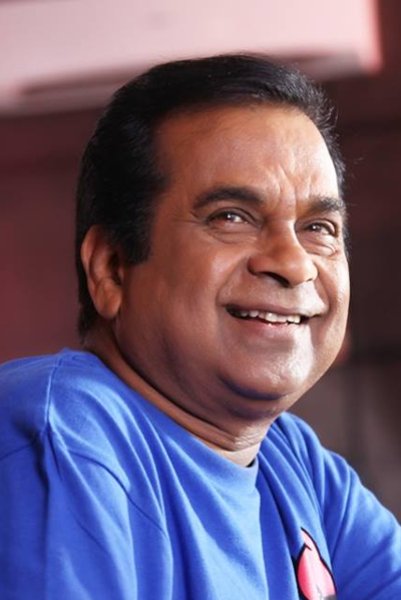
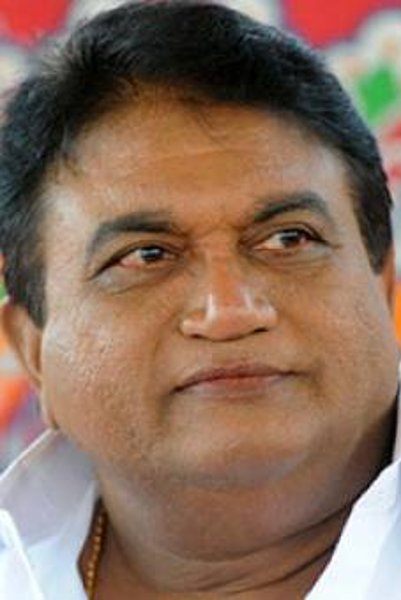
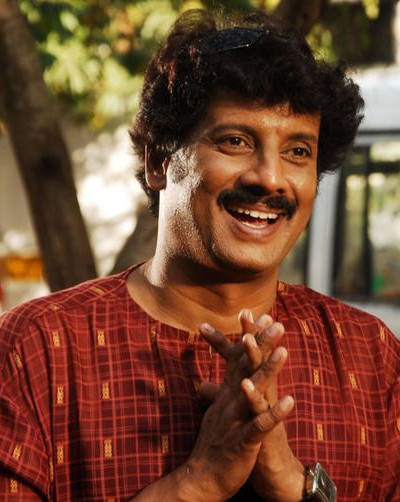
Cast reunions in this film: Srikanth & Meka Srikanth (36 films together), Brahmanandam & Jayaprakash Reddy (35 films together), Brahmanandam & Meka Srikanth (28 films together), Srikanth & Brahmanandam (19 films together), Brahmanandam & Uttej (10 films together), and Charmy Kaur & Brahmanandam (9 films together).
Trivia
- The film's title 'Mahatma' was inspired by the protagonist's journey from a goon to a people's leader, echoing Gandhi's transformation.
- Director Krishna Vamsi cast newcomer Srikanth in the lead role, marking a rare instance of a fresh face headlining his film.
- The movie was shot extensively in real locations across Andhra Pradesh to capture the raw atmosphere of rural politics.
- It features a cameo by veteran actor Kota Srinivasa Rao, who played a key political figure without any prior announcement.
- The soundtrack, composed by Koti, included folk-inspired songs that highlighted the local culture but didn't achieve major chart success.
- Despite its political theme, the film avoided direct references to any real-life parties or leaders to stay neutral.
- Krishna Vamsi reportedly rewrote parts of the script during filming to better reflect the evolving political landscape of the time.