Ashok Gaikwad
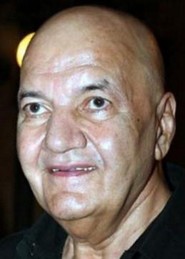
Ashok Gaikwad is an Indian director, best known for Tamil cinema. Ashok Gaikwad began their career in 1988. With 30 credits to their name, Ashok Gaikwad remains one of the most prolific and celebrated talents in the industry. Ashok Gaikwad is one of the most closely watched talents of their generation, with a rapidly growing body of acclaimed work.
Career Milestones
Film debut
View film →Highest rated: Sarphira (6.5)
View film →Ashok Gaikwad by the Numbers
If you watched every Ashok Gaikwad film back-to-back, you'd be at it for roughly 1 day and 1h. Most-paired with Goga Kapoor — 5 films together.
Filmography
See all 30 credits →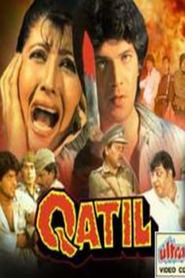
Collaboration Network
The Constellation
Top 10 most-paired collaborators. Bubble size and line thickness reflect how many films they share with Ashok Gaikwad.
Career Analytics
Language Distribution
Films by Decade
Top Co-Actors
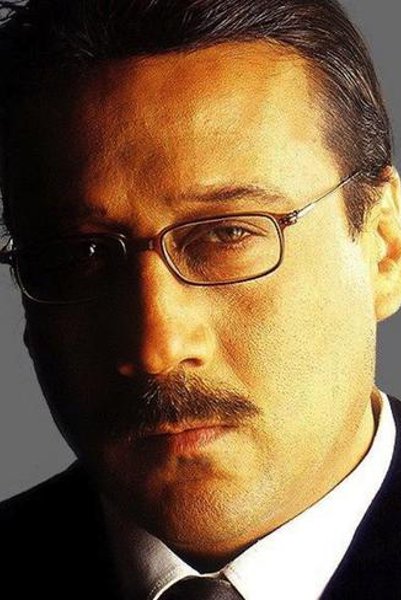
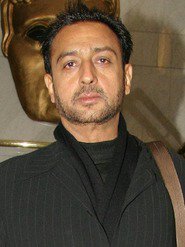
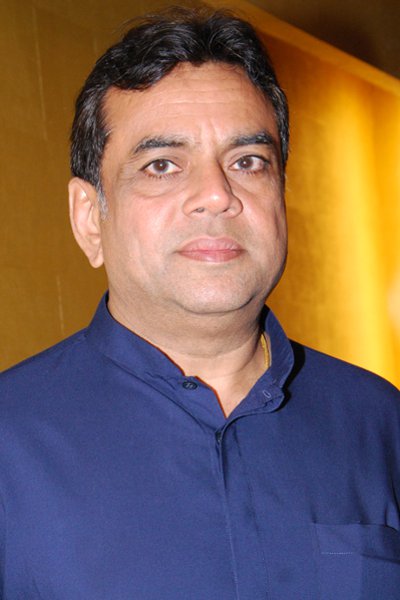
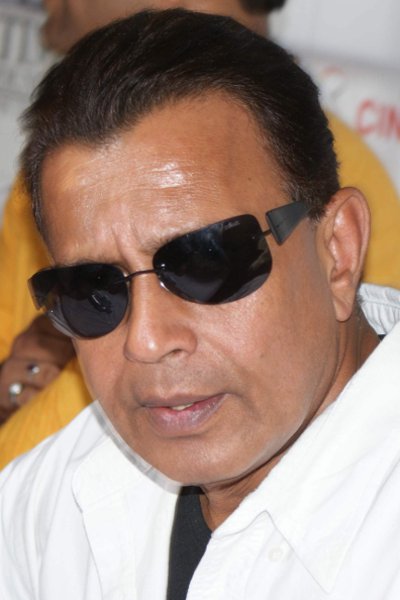
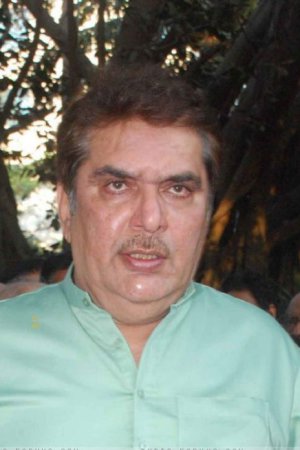
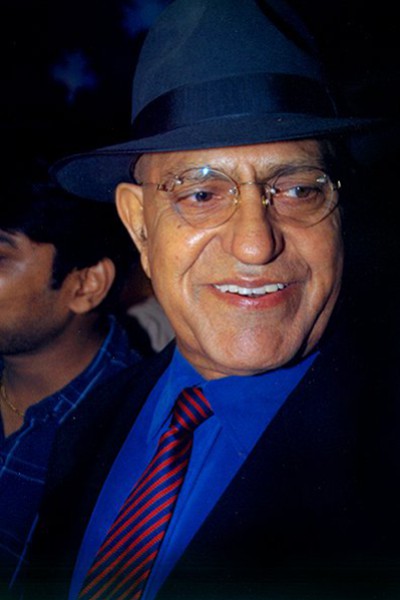
See all →Ashok Gaikwad has worked most frequently with Goga Kapoor (5 films), Jackie Shroff (3 films), Gulshan Grover (3 films), Paresh Rawal (3 films), and Mithun Chakraborty (3 films).


Legacy & Influence
Ashok Gaikwad is recognized as a pioneering cinematographer in Indian cinema, particularly within the Marathi film industry. His career trajectory is defined by a long-standing and significant collaboration with acclaimed director Dr. Jabbar Patel, a partnership that produced several landmark films. Gaikwad's most celebrated contribution is his cinematography for the 1980 Marathi biographical film 'Sinhasan', directed by Patel. The film, a sharp political satire, is considered a classic of Indian parallel cinema. Gaikwad's visual composition for 'Sinhasan' was instrumental in establishing its gritty, realistic tone, effectively translating the screenplay's critical narrative onto the screen. His work demonstrated a mastery of lighting and framing that served the story's substance over stylistic flourish, a hallmark of the parallel cinema movement. This collaboration extended to other notable Patel films like 'Jait Re Jait' and 'Samna', further cementing Gaikwad's reputation for crafting visuals with strong narrative integrity. His technical skill and artistic sensibility helped elevate Marathi cinema during a period of rich creative output, influencing the visual language of socially-conscious filmmaking in the region. While not as widely documented in mainstream Hindi cinema, his body of work within Marathi films remains a respected reference point for cinematographers interested in realism and character-driven storytelling. Gaikwad's legacy lies in his role as a key visual architect for some of the most important Marathi films of his era, contributing to a cinematic movement that prioritized content and authenticity.