Rajiv Babbar
Rajiv Babbar is an Indian producer, best known for Tamil cinema. Rajiv Babbar began their career in 1994. With 30 credits to their name, Rajiv Babbar remains one of the most prolific and celebrated talents in the industry. Rajiv Babbar is one of the most closely watched talents of their generation, with a rapidly growing body of acclaimed work.
Career Milestones
Film debut
View film →Highest rated: Shapath (1997 film) (5.5)
View film →Rajiv Babbar by the Numbers
If you watched every Rajiv Babbar film back-to-back, you'd be at it for roughly 14 hours. Most-paired with Mithun Chakraborty — 3 films together.
Filmography
See all 30 credits →Collaboration Network
The Constellation
Top 4 most-paired collaborators. Bubble size and line thickness reflect how many films they share with Rajiv Babbar.
Career Analytics
Genre Breakdown
Language Distribution
Films by Decade
Top Co-Actors
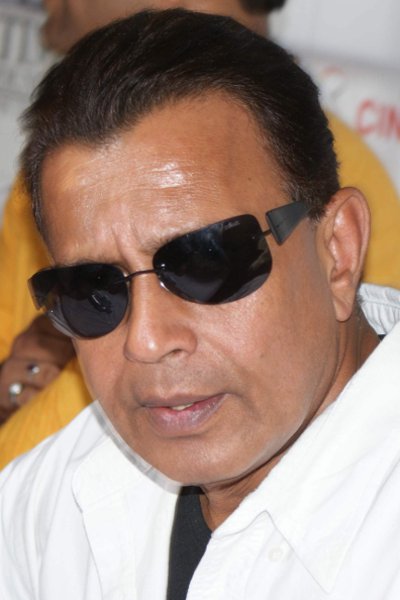
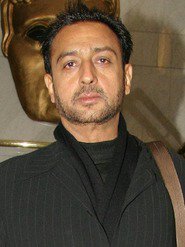
See all →Rajiv Babbar has worked most frequently with T. L. V. Prasad (2 films), Mithun Chakraborty (3 films), Gulshan Grover (2 films), and Puneet Issar (2 films).


Legacy & Influence
Rajiv Babbar is recognized as a supporting actor in Hindi cinema, primarily active in the 1980s and 1990s. He is the son of veteran actor Raj Babbar and the late actress Nadira. His career trajectory is defined by roles in ensemble casts and character-driven narratives. He appeared in notable films such as 'Mujhe Insaaf Chahiye' (1983), where he played a supporting role alongside his father, and 'Aaj Ka Arjun' (1990), featuring Amitabh Bachchan. His filmography, while not extensive in leading roles, represents a consistent presence in the industry during that era, contributing to the fabric of mainstream commercial cinema. His work is part of the broader narrative of film families in Bollywood, where artistic lineages continue across generations. As a member of a prominent film family, his presence underscores the interconnected nature of the industry. Specific details regarding critical acclaim, major awards, or defining performances are not widely documented in mainstream film historiography. Therefore, his contribution is best understood as part of the supporting actor ecosystem that sustained the narrative framework of numerous films from his active period.