T. L. V. Prasad
T. L. V. Prasad is an Indian director, best known for Tamil cinema. T. L. V. Prasad began their career in 1990 and has been a prominent figure in the industry for over 36 years. With 30 credits to their name, T. L. V. Prasad remains one of the most prolific and celebrated talents in the industry. Spanning 30+ years, T. L. V. Prasad's career remains one of the longest and most celebrated in Tamil cinema.
- Born
- Age
- 67
Biography
T. L. V. Prasad (full name Tatineni Leela Vara Prasad) is an Indian film director who has worked extensively in Hindi, Telugu, Bengali, and Marathi cinema, and is the son of renowned Telugu director T. Prakash Rao. He is best known for his prolific collaboration with actor Mithun Chakraborty, directing over 70 Hindi films across the 1990s and 2000s, including Kaalia (1997), Sher-E-Hindustan (1997), Hitler (1998), and Phool Aur Aag (1999). He holds a record in the Limca Book of Records for directing a large number of films with Mithun Chakraborty in a short span without a break, including four Bengali films in 2004 under Mithun's Dream Factory banner. He began his career as an assistant to director V. Madhusudhana Rao and made his directorial debut with the 1980 Telugu film Kudi Edamaithe before transitioning to Bollywood in 1992.
Career Milestones
Telugu film debut as director
Bollywood debut as director
Directed blockbuster Hindi remake of Telugu hit Rajendrudu Gajendrudu
View film →Entered Limca Book of Records for directing the most films with one hero (Mithun Chakraborty) without a break in a short span
T. L. V. Prasad by the Numbers
If you watched every T. L. V. Prasad film back-to-back, you'd be at it for roughly 1 day and 11h. Most-paired with Mithun Chakraborty — 13 films together.
Filmography
See all 30 credits →Collaboration Network
The Constellation
Top 10 most-paired collaborators. Bubble size and line thickness reflect how many films they share with T. L. V. Prasad.
Career Analytics
Language Distribution
Films by Decade
Top Co-Actors
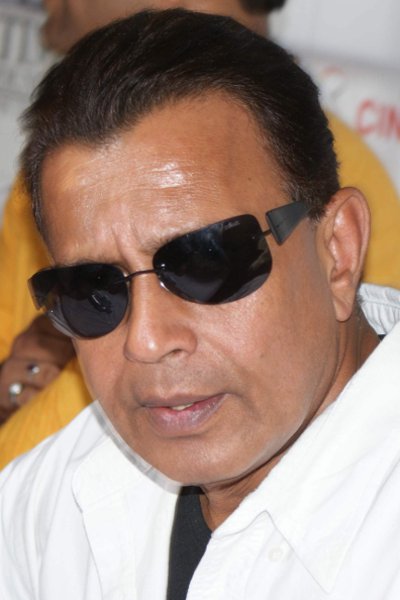
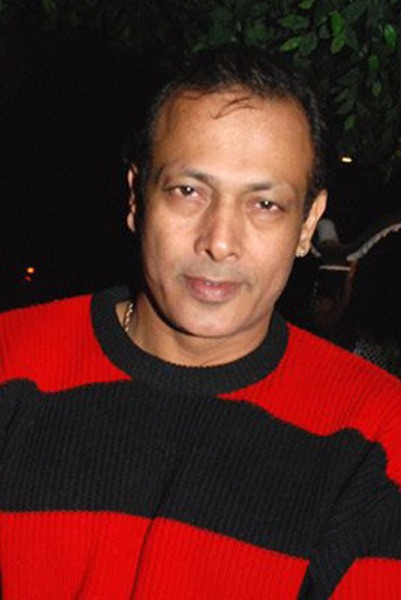
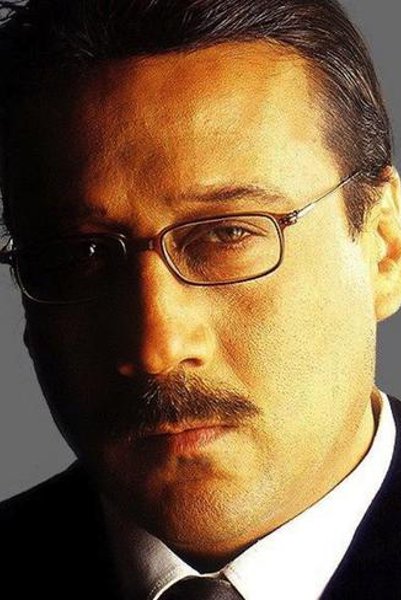
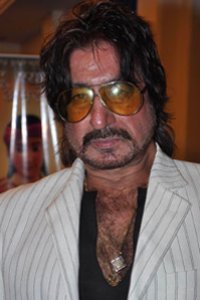
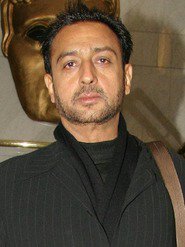
See all →T. L. V. Prasad has worked most frequently with Mithun Chakraborty (13 films), Puneet Issar (5 films), Hemant Birje (4 films), Jackie Shroff (3 films), and Rambha (3 films).



Legacy & Influence
T. L. V. Prasad is a significant figure in Telugu cinema, primarily recognized as a prominent film producer and distributor whose career spans several decades. His most notable contribution lies in his role as the founder and managing director of the Prasad Group, a multifaceted conglomerate that revolutionized film production, post-production, and exhibition in India. The group's establishment of Prasad Film Laboratories in Chennai marked a pivotal moment, introducing advanced color processing and film printing technologies that elevated the technical quality of Indian cinema throughout the 1970s and 1980s. Under his leadership, the Prasad Group expanded into film distribution, playing a key role in the pan-Indian release of major films and helping to bridge regional cinematic markets. His business acumen transformed film distribution networks, making wide releases more systematic and efficient. Furthermore, Prasad's ventures into exhibition through multiplex chains like Prasad's IMAX in Hyderabad introduced new standards for the theatrical experience in South India, bringing large-format and digital cinema to audiences. While not a creative filmmaker himself, his infrastructural and technological investments provided the essential backbone that enabled directors and producers to realize their visions with higher technical fidelity. His legacy is that of a pioneering industrialist who modernized the business and technological frameworks of the Indian film industry, particularly in the South, leaving a lasting impact on how films are made, processed, and shown.