Anjali Jathar
Anjali Jathar is an Indian actor, best known for Tamil cinema. Anjali Jathar began their career in 1994. With 30 credits to their name, Anjali Jathar remains one of the most prolific and celebrated talents in the industry. An emerging voice in Tamil cinema, Anjali Jathar is already attracting significant attention for their distinctive work.
Career Milestones
Film debut
View film →Highest rated: Bhishma (5.8)
View film →Anjali Jathar by the Numbers
If you watched every Anjali Jathar film back-to-back, you'd be at it for roughly 16 hours. Most-paired with Sunil Shetty — 3 films together.
Filmography
See all 30 credits →Collaboration Network
The Constellation
Top 9 most-paired collaborators. Bubble size and line thickness reflect how many films they share with Anjali Jathar.
Career Analytics
Language Distribution
Films by Decade
Top Co-Actors
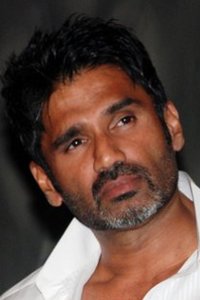
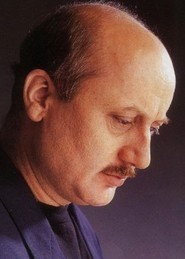
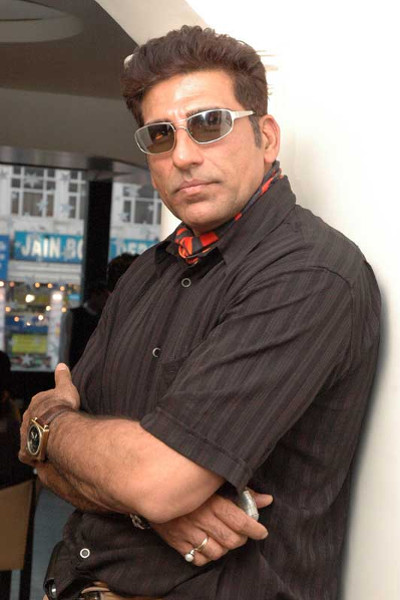
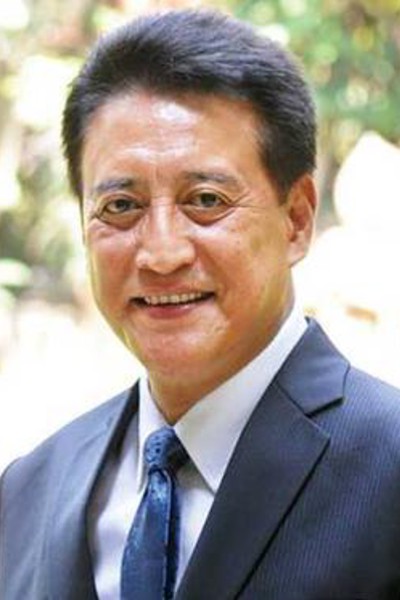
See all →Anjali Jathar has worked most frequently with Sunil Shetty (3 films), Mushtaq Khan (3 films), Mohan Joshi (3 films), Anupam Kher (2 films), and Mukesh Rishi (2 films).

Legacy & Influence
Anjali Jathar is a supporting actress in Hindi cinema whose career was active in the mid-1990s. Her filmography, though limited, places her within the commercial film industry of that era, a period marked by a blend of family dramas, action films, and thrillers. She appeared in films such as 'Madhosh' (1994), 'Aazmayish' (1995), and 'Bhishma' and 'Vishwasghaat' (both 1996), typically in supporting roles where the specific character names are not widely documented in primary sources. Her contributions reside in her participation in these ensemble casts, which were part of the broader cinematic landscape before the industry's notable shifts in the late 1990s and early 2000s. As a performer in this timeframe, she contributed to the output of an industry in transition. However, due to the lack of prominent leading roles, detailed critical analysis of her performances or a significant individual artistic signature is not extensively recorded in mainstream film scholarship or journalism. Her career trajectory reflects that of many actors who worked steadily in supporting capacities, forming part of the fabric of mainstream production without attaining major stardom. Consequently, while she is a verified part of 1990s Hindi cinema, her specific impact on film style, narrative, or industry trends is not distinctly articulated in available authoritative records. Her legacy is thus defined by her presence in a specific period of film history rather than by a widely recognized, transformative contribution.