Dayal Nihalani
Dayal Nihalani is an Indian director, best known for Tamil cinema. Dayal Nihalani began their career in 1987. With 30 credits to their name, Dayal Nihalani remains one of the most prolific and celebrated talents in the industry. Dayal Nihalani is one of the most closely watched talents of their generation, with a rapidly growing body of acclaimed work.
Career Milestones
Film debut
View film →Highest rated: Karm Yodha (6.5)
View film →Dayal Nihalani by the Numbers
If you watched every Dayal Nihalani film back-to-back, you'd be at it for roughly 9 hours. Most-paired with Raj Babbar — 3 films together.
Filmography
See all 30 credits →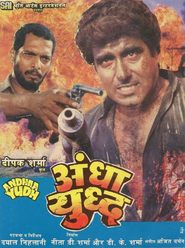
Collaboration Network
The Constellation
Top 5 most-paired collaborators. Bubble size and line thickness reflect how many films they share with Dayal Nihalani.
Career Analytics
Language Distribution
Films by Decade
Top Co-Actors
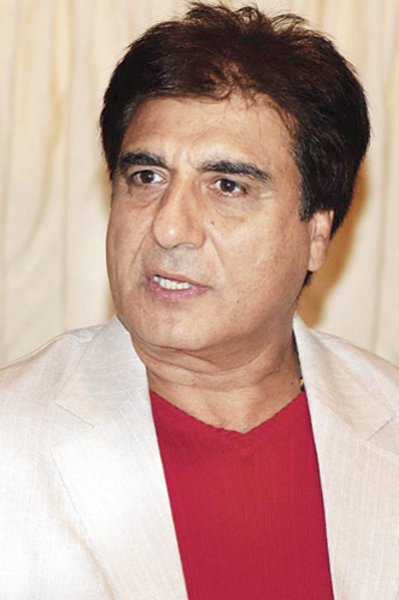
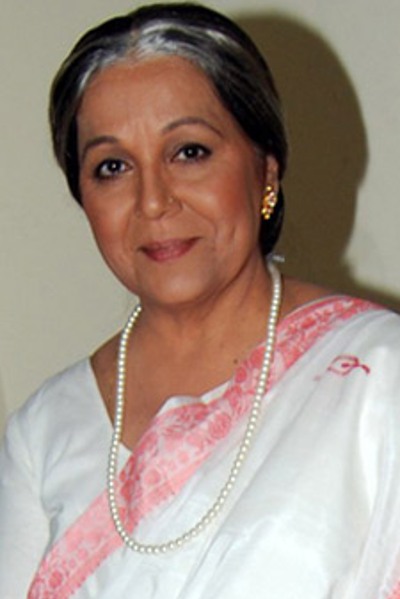
See all →Dayal Nihalani has worked most frequently with Raj Babbar (3 films), Shilpa Shetty (2 films), Rohini Hattangadi (2 films), Mohan Joshi (2 films), and Aditya Pancholi (2 films).



Legacy & Influence
Dayal Nihalani is a respected figure in Indian cinema, primarily known for his work as a producer and occasional actor. His career is closely intertwined with the parallel cinema movement of the 1970s and 1980s, a period marked by a shift towards realistic, socially conscious storytelling. Nihalani's most significant contribution came through his role as a producer for several landmark films directed by his brother, Govind Nihalani. He produced Govind's directorial debut, 'Aakrosh' (1980), a powerful courtroom drama that critiqued social injustice and established Govind as a major voice in Indian cinema. This collaboration continued with the critically acclaimed 'Ardh Satya' (1983), a seminal film that explored police corruption and existential despair, winning the National Film Award for Best Feature Film. Through these productions, Dayal Nihalani provided crucial support for films that pushed artistic boundaries and addressed complex socio-political themes, contributing to a richer cinematic landscape. His work helped create space for narratives that moved beyond mainstream commercial formulas, focusing on character depth and societal critique. While less visible than the directors he worked with, his role as a producer was instrumental in bringing these important stories to the screen, facilitating a key chapter in the history of Indian parallel cinema.