B.R. Ishara
B.R. Ishara is an Indian director, best known for Tamil cinema. B.R. Ishara began their career in 1981. With 30 credits to their name, B.R. Ishara remains one of the most prolific and celebrated talents in the industry. Spanning 40+ years, B.R. Ishara's career remains one of the longest and most celebrated in Tamil cinema.
Career Milestones
Film debut
View film →Highest rated: Kis Kaam Ke Yeh Rishte (10.0)
View film →B.R. Ishara by the Numbers
If you watched every B.R. Ishara film back-to-back, you'd be at it for roughly 1 day and 4h. Most-paired with Rajesh Khanna — 2 films together.
Filmography
See all 30 credits →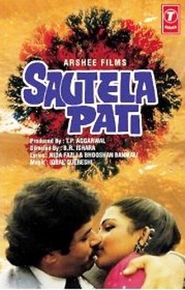

Collaboration Network
The Constellation
Top 9 most-paired collaborators. Bubble size and line thickness reflect how many films they share with B.R. Ishara.
Career Analytics
Genre Breakdown
Language Distribution
Films by Decade
Top Co-Actors
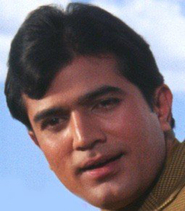
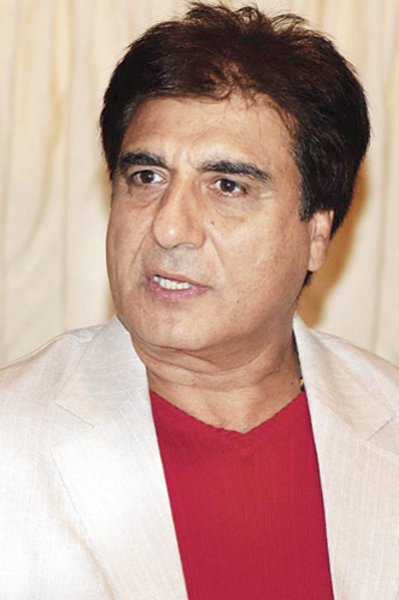
See all →B.R. Ishara has worked most frequently with Rajesh Khanna (2 films), Raj Babbar (2 films), Aruna Irani (2 films), Mazhar Khan (2 films), and Beena Banerjee (2 films).




Legacy & Influence
B.R. Ishara was a significant, albeit controversial, figure in the landscape of 1970s and 1980s Hindi cinema. Primarily a director and writer, he carved a distinct niche by focusing on bold, socially provocative themes that mainstream cinema of the era often shied away from. His career trajectory is defined by his willingness to tackle subjects considered taboo, including extramarital affairs, premarital sex, prostitution, and the hypocrisies of middle-class morality. This earned him a reputation as a filmmaker who pushed boundaries and challenged societal norms through his narratives. Ishara's contribution lies in his role as a pioneer of a certain brand of 'social exploitation' or 'bold' cinema that operated parallel to the more sanitized commercial films. He often worked with modest budgets and discovered or provided prominent roles to actors like Bindiya Goswami, who became closely associated with his films. His directorial style was characterized by a raw, sometimes melodramatic approach, and his films frequently featured suggestive titles and promotional material designed to attract audiences seeking sensational content. While not critically acclaimed in the traditional sense and often dismissed by the mainstream establishment, Ishara's films found a substantial audience, particularly in single-screen theaters and the burgeoning video cassette market. His work reflected and arguably catered to the changing social undercurrents and curiosities of urban India during that period. The legacy of B.R. Ishara is complex; he is remembered as a filmmaker who dared to present stories of desire and social transgression on screen, thereby expanding the thematic range of popular Hindi cinema, even if his methods were frequently debated. His career represents a specific, gritty strand of filmmaking that existed on the fringes of Bollywood, contributing to its diverse cinematic ecosystem.