
Hum Do Hamare Do(1984)
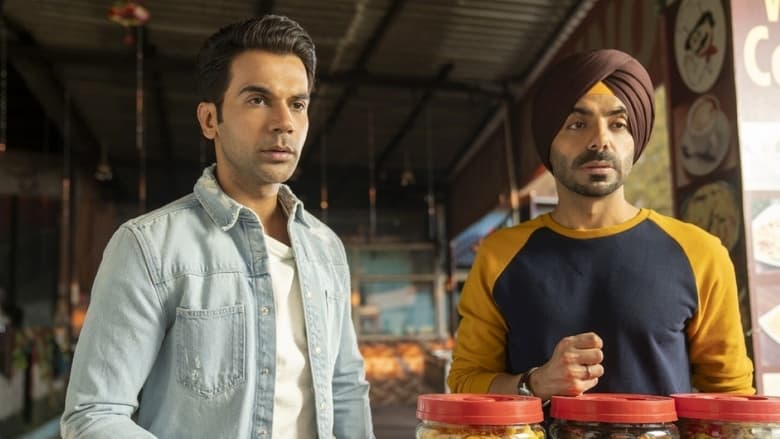
Self-made man Dhruv and social media star Anya fall in love and decide to marry. Just one problem - he's an orphan because Anya will only marry a guy, who has an adorable family, so the only solution - arrange a 'fake' set of parents.
Quick Facts
- Streaming on
- YouTube
- Theatrical Release
- 20 July 1984
- Director
- B.R. Ishara
- Language
- Hindi
- Runtime
- 2h 9m
- Rating
- 5.5/10
Storyline
A man and woman keep running into each other and fall in love. When she proposes, he sadly refuses. She learns he turned her down because he is solely responsible for raising his many younger brothers and sisters.
“A secret obligation stands between them and love.”
Film Details
Parental Guide
Where to Watch
Vibe & Tags
Cast & Crew



Reunion Meter
Frequent partnerships reunited for Hum Do Hamare Do
Cast reunions in this film: Raj Babbar & Smita Patil (14 films together), Rohini Hattangadi & Smita Patil (7 films together), Rohini Hattangadi & Raj Babbar (4 films together), B.R. Ishara & B. R. Ishara (3 films together), Pinchoo Kapoor & Smita Patil (3 films together), and Raj Babbar & Asit Sen (2 films together).
Trivia
- The film's title is a play on the Hindi phrase 'Hum Do Hamare Do', which means 'We Two, Our Two' and is often used to refer to a nuclear family.
- Director B.R. Ishara was known for bold, socially conscious films, but this movie was a more mainstream family drama.
- This was one of several films where real-life couple Raj Babbar and Smita Patil starred together.
- The plot revolves around the hero's duty to his siblings, a common theme in Hindi cinema of the era reflecting joint family values.
- Shoma Anand, who plays a key supporting role, was primarily known as a comedian in many films.
- The film released during a period when Raj Babbar was transitioning from negative roles to more mainstream heroic parts.
- Music director Bappi Lahiri, known for disco hits, composed the film's songs, which were not major chartbusters.