
Farha Naaz
Farha Naaz is an Indian actor, best known for Tamil cinema. Farha Naaz began their career in 1985. With over 60 credits to their name, Farha Naaz remains one of the most prolific and celebrated talents in the industry. Spanning 40+ years, Farha Naaz's career remains one of the longest and most celebrated in Tamil cinema.
Career Milestones
Film debut
View film →Highest rated: Begunaah (10.0)
View film →Farha Naaz by the Numbers
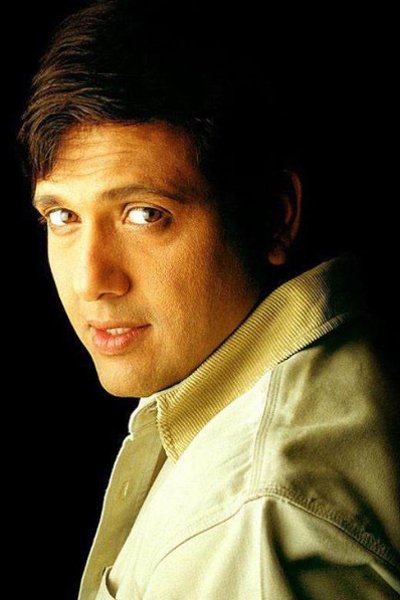
If you watched every Farha Naaz film back-to-back, you'd be at it for roughly 3 days and 16h. Most-paired with Govinda — 11 films together.
Filmography
See all 60 credits →Collaboration Network
The Constellation
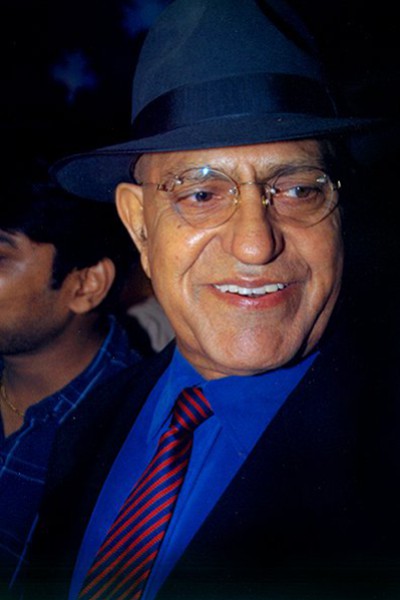
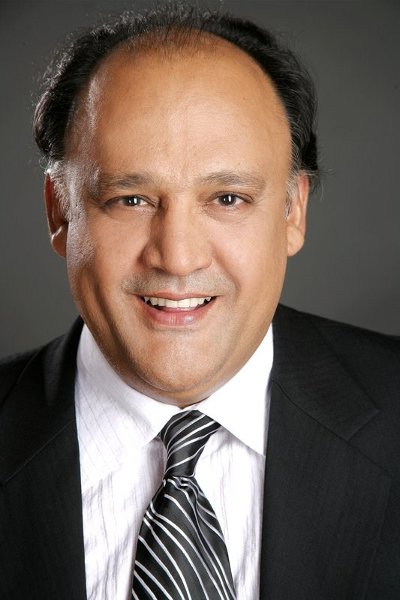
Top 10 most-paired collaborators. Bubble size and line thickness reflect how many films they share with Farha Naaz.
Career Analytics
Language Distribution
Films by Decade
Top Co-Actors
See all →Farha Naaz has worked most frequently with Mehul Kumar (2 films), Lawrence D'Souza (2 films), Rama Rao Tatineni (2 films), Kalpataru (2 films), and B.R. Ishara (2 films).


Did You Know?
Farha Naaz is the twin sister of actress and politician Tabu.
She is the daughter of veteran actress Jamuna and journalist Rizwan Ali.
She made her film debut in the 1985 Telugu film 'Mangammagari Manavadu'.
She primarily worked in Hindi and Telugu cinema during the 1980s and 1990s.
She is the niece of actress Shabana Azmi.
Legacy & Influence
Farha Naaz, alongside her sister Tabu, entered the Hindi film industry in the mid-1980s, carving a niche primarily in supporting roles during a period of significant transition in Indian cinema. Her career trajectory, though not as prominently documented as some of her contemporaries, reflects the journey of a dedicated character actor who contributed to the narrative fabric of numerous films. She is perhaps best recognized for her role in the 1991 film 'Begunaah', a project that, despite mixed critical reception, has retained a certain cult appreciation among segments of the audience, as indicated by notable audience ratings. Her filmography, including works like 'Naseeb Apna Apna' (1986), 'Marte Dam Tak' (1987), and 'Ghar Ghar Ki Kahani' (1988), demonstrates a consistent presence in the industry during the late 80s and early 90s. Her contribution lies in her reliable performances that supported the ensemble casts of these films, often in familial or dramatic contexts typical of the era's storytelling. While her on-screen career in mainstream Hindi cinema was not extensive, her participation in these projects represents the many actors who form the essential backbone of the industry, ensuring the completeness of cinematic narratives. Her later work includes the television series 'Fauji' (1995), a significant project in Indian pop culture for launching other major stars, which further situates her within an important moment in the expansion of television entertainment. Farha Naaz's legacy is thus one of a steady and committed performer whose work, though not always in the limelight, contributed to the diverse tapestry of Indian cinema and television during a specific period, representing the countless artists whose collective efforts define the industry's output.