Savita Bajaj
Savita Bajaj is an Indian actor, best known for Tamil cinema. Savita Bajaj began their career in 1979. With 30 credits to their name, Savita Bajaj remains one of the most prolific and celebrated talents in the industry. Spanning 40+ years, Savita Bajaj's career remains one of the longest and most celebrated in Tamil cinema.
Career Milestones
Film debut
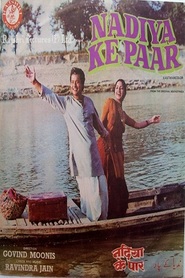
View film →Highest rated: Nadiya Ke Paar (7.5)
View film →Savita Bajaj by the Numbers
If you watched every Savita Bajaj film back-to-back, you'd be at it for roughly 11 hours.
Filmography
See all 30 credits →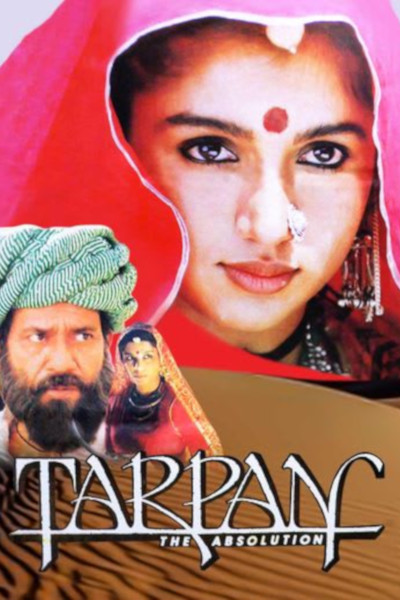
Career Analytics
Language Distribution
Films by Decade
Legacy & Influence
Savita Bajaj's career in Indian cinema, though not extensively documented, represents the vital contributions of supporting and character actors who form the backbone of the industry's storytelling. Her filmography, though limited in available records, shows a span from the late 1970s to the mid-1990s, indicating a sustained presence. Her most notable appearance was in the influential Bhojpuri film 'Nadiya Ke Paar' (1982), a landmark production that achieved massive popularity and helped catalyze the modern Bhojpuri cinema movement. While her specific role in the film is not widely detailed, her association with such a culturally significant work places her within an important cinematic tradition. Her other known works, like 'Tarpan' (1995), suggest an involvement with films that may have leaned towards regional or thematic storytelling. The trajectory of her career, moving from a film like 'Raadha Aur Seeta' in 1979 to 'Tarpan' in 1995, hints at a professional journey navigating the diverse landscape of Indian cinema, potentially across different languages and genres. As a performer whose specific roles are not prominently highlighted in mainstream film discourse, her contribution is emblematic of the many artists whose work collectively enriches the cinematic fabric without seeking the spotlight. Her legacy is thus intertwined with the history of the projects she was part of, particularly 'Nadiya Ke Paar', which continues to hold a cherished place in the memory of its audience, thereby preserving her connection to a pivotal moment in regional Indian film history.