Shyam K. Naidu
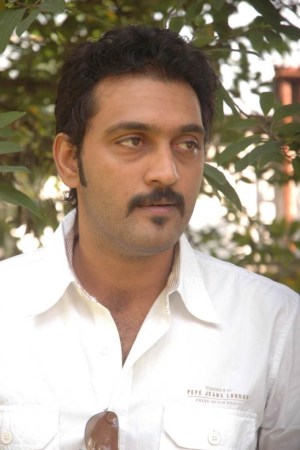
Shyam K. Naidu is an Indian cinematographer, best known for Tamil cinema. Shyam K. Naidu began their career in 1997. With 30 credits to their name and an average audience rating of 6.1, Shyam K. Naidu remains one of the most prolific and celebrated talents in the industry. Spanning 20+ years, Shyam K. Naidu's career remains one of the longest and most celebrated in Tamil cinema.
Career Milestones
Film debut
View film →Highest rated: Narappa (7.6)
View film →Shyam K. Naidu by the Numbers
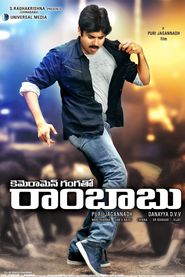
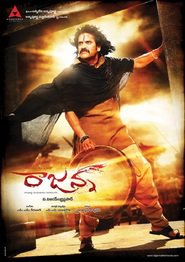
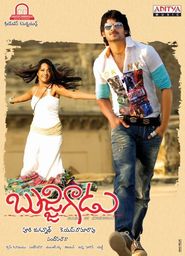
If you watched every Shyam K. Naidu film back-to-back, you'd be at it for roughly 1 day and 18h. Most-paired with Puri Jagannadh — 5 films together.
Filmography
See all 30 credits →

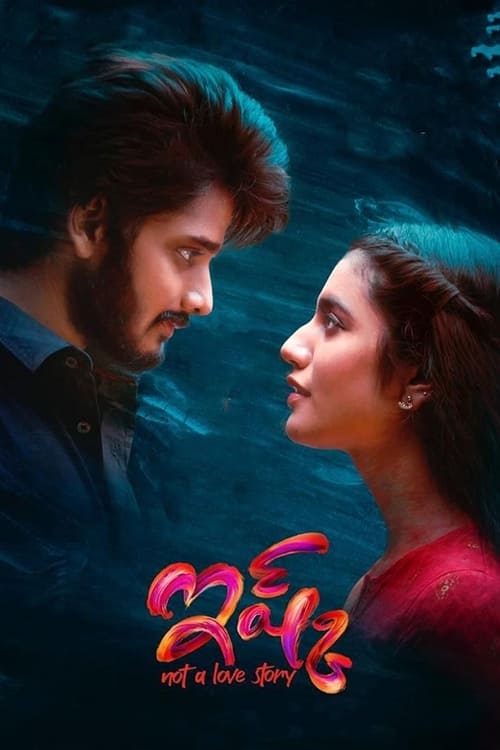
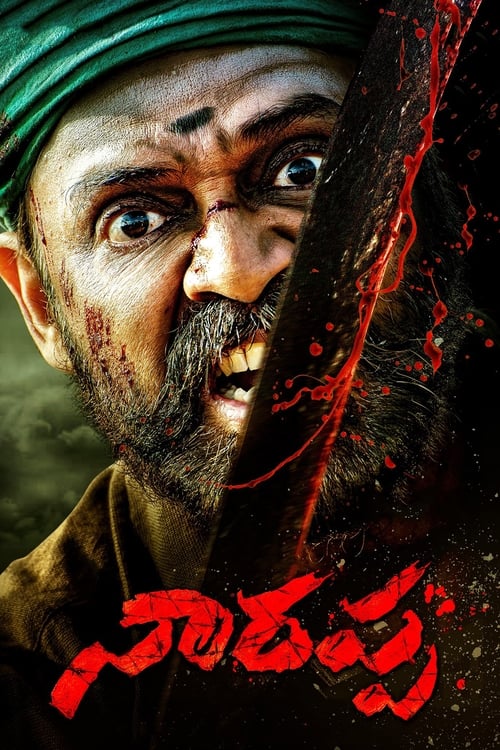
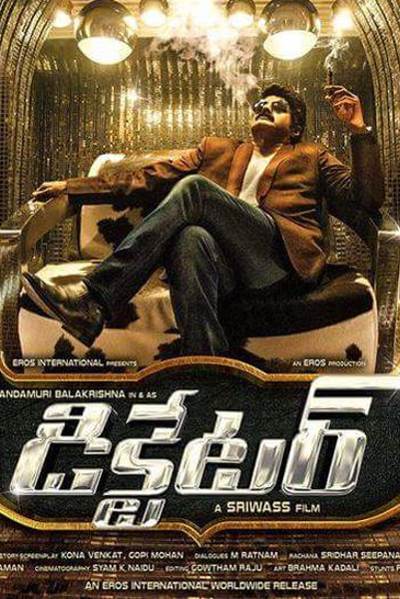
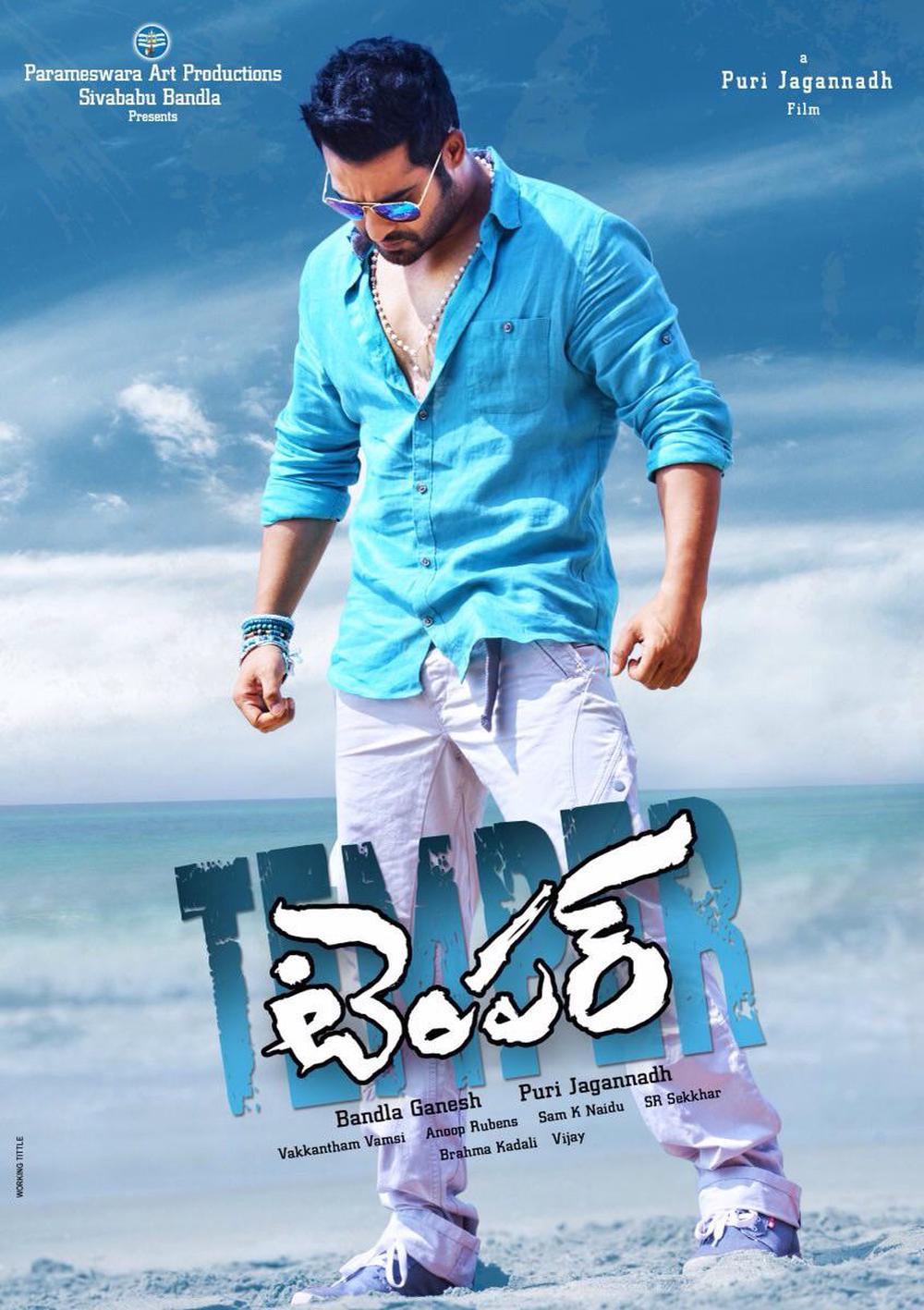

Collaboration Network
The Constellation
Top 10 most-paired collaborators. Bubble size and line thickness reflect how many films they share with Shyam K. Naidu.
Career Analytics
Genre Breakdown
Language Distribution
Films by Decade
Top Co-Actors
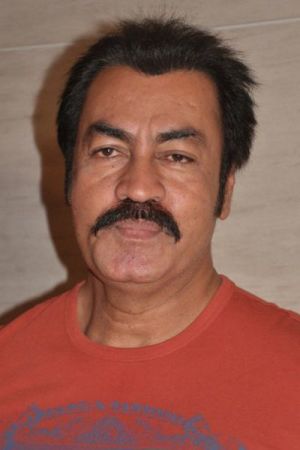
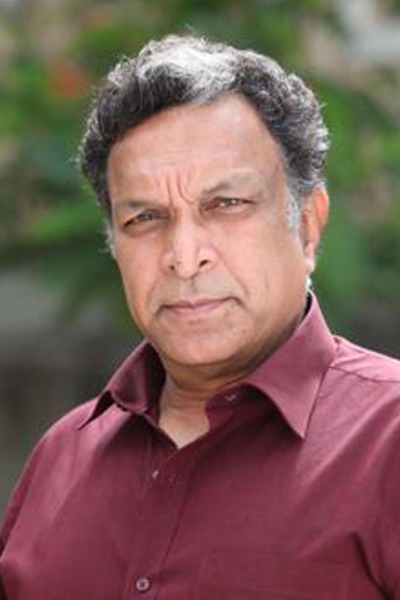
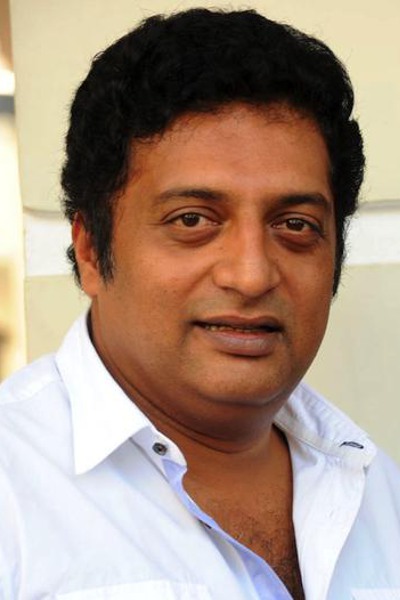
See all →Shyam K. Naidu has worked most frequently with Puri Jagannadh (5 films), Ajay (5 films), Pradeep Rawat (3 films), Tanikella Bharani (3 films), and Brahmanandam (3 films).


Legacy & Influence
Shyam K. Naidu is recognized as a pioneering cinematographer in early Indian cinema, particularly during the silent and early talkie eras. His career trajectory is most notably associated with the influential Prabhat Film Company, founded in Kolhapur in 1929. Naidu served as the company's chief cinematographer during its formative and most artistically significant period, collaborating closely with founders like V. Shantaram. His technical skill and artistic vision were instrumental in establishing Prabhat's reputation for high production values and visual sophistication, which set it apart from many contemporary studios. Naidu's contribution lies in his mastery of lighting and composition, which brought a new level of visual narrative strength to Indian films. He is credited with cinematography for several landmark Prabhat productions that are celebrated for their technical excellence and social themes, including the critically acclaimed 'Manoos' (1939) and 'Aadmi' (1939). His work helped transition Indian cinema from its theatrical staging origins to a more cinematic language, utilizing camera movement and lighting to enhance emotional depth and realism. While specific awards from the era are not consistently documented, his legacy is cemented by the enduring prestige of the films he photographed and his role in mentoring the next generation of technicians at Prabhat. His cinematography provided a crucial visual foundation for the studio's golden age, influencing the craft's development in Indian cinema.