M. Jeevan
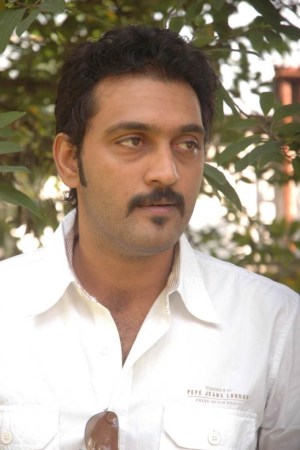
M. Jeevan is an Indian director, best known for Tamil cinema. M. Jeevan began their career in 2005. With 30 credits to their name and an average audience rating of 6.5, M. Jeevan remains one of the most prolific and celebrated talents in the industry. Spanning 20+ years, M. Jeevan's career remains one of the longest and most celebrated in Tamil cinema.
Career Milestones
Still photographer on major Tamil cinema productions including Mani Ratnam's Bombay and Iruvar, Shankar's Jeans, and Rajiv Menon's Kandukondain Kandukondain
Transitioned to cinematography on Kokki under director Prabhu Solomon
First directorial release - Gnabagangal (Pa. Vijay's film)
Directorial work on Mayilu with Prakash Raj Productions
Iconic Roles
Kaakha Kaakha
Ruthless gangster antagonist; Tamil actor Jeevan's breakthrough role that won him the Filmfare Award for Best Villain – Tamil for bringing depth to this complex criminal character.
Har Har Mahadev
Iconic mythological role played by Hindi actor Jeevan; he portrayed this character in 49-61+ films throughout his career, making it his most famous recurring role in Indian cinema.
M. Jeevan by the Numbers
If you watched every M. Jeevan film back-to-back, you'd be at it for roughly 18 hours. Most-paired with Kishore — 2 films together.
Filmography
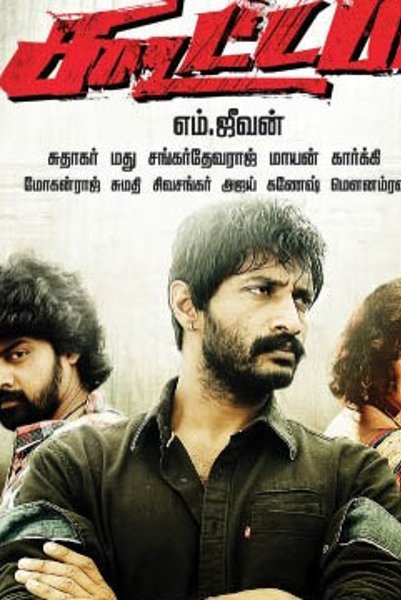
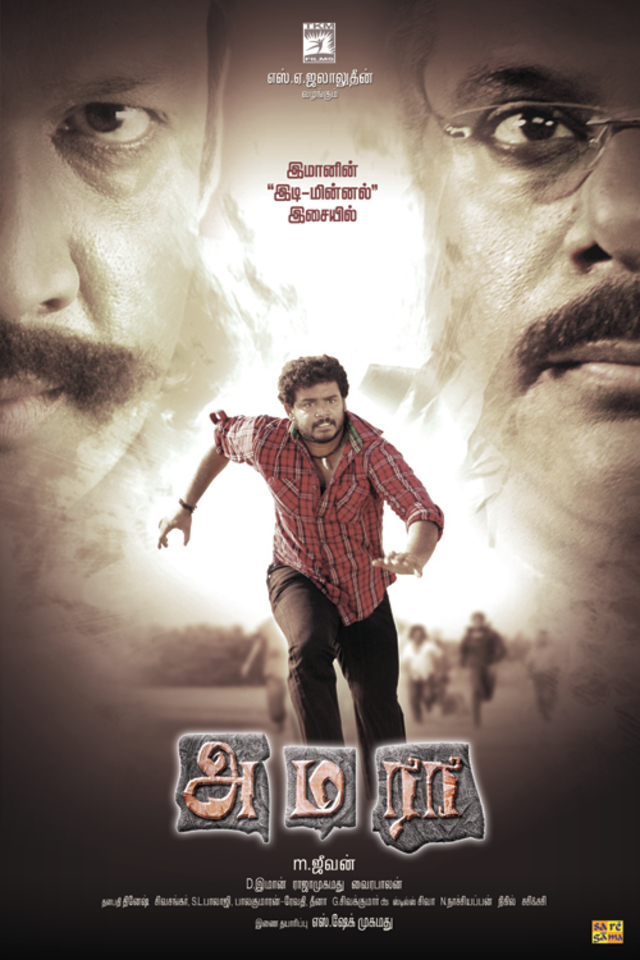
See all 30 credits →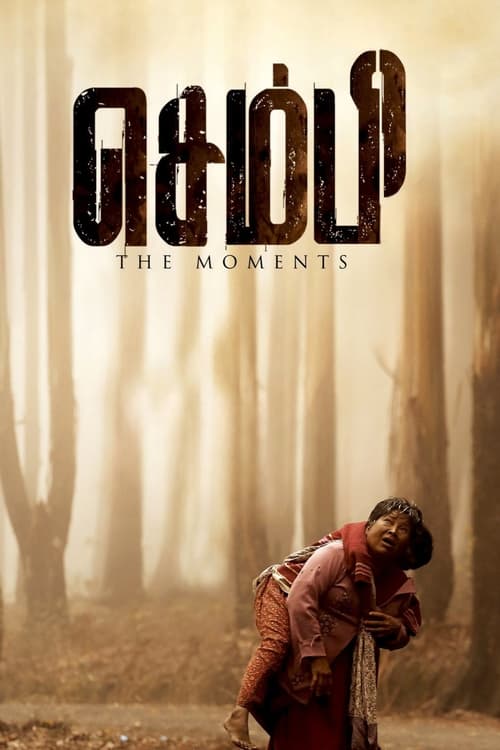
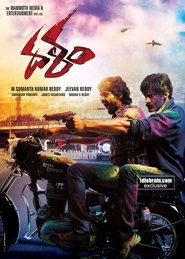
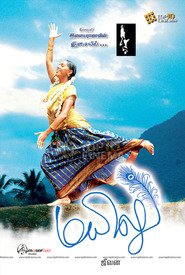
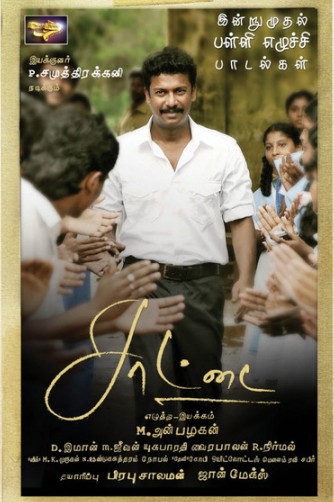
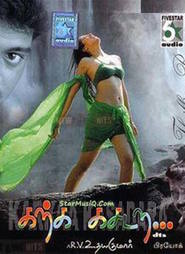
Collaboration Network
The Constellation
Top 7 most-paired collaborators. Bubble size and line thickness reflect how many films they share with M. Jeevan.
Career Analytics
Genre Breakdown
Language Distribution
Films by Decade
Top Co-Actors
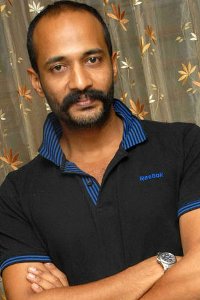
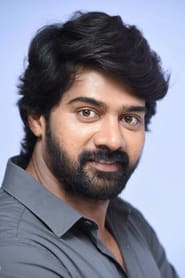
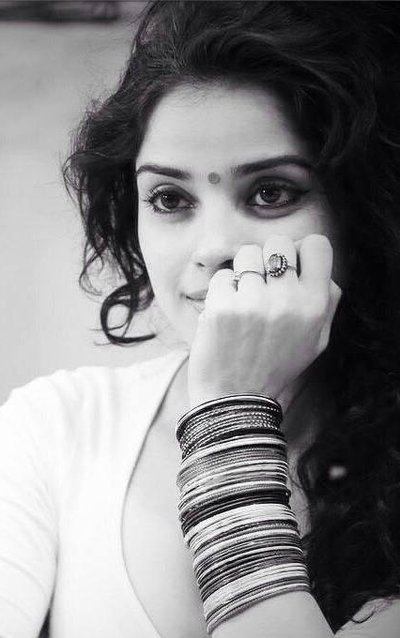
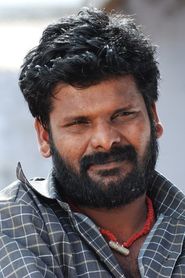
See all →M. Jeevan has worked most frequently with Kishore (2 films), Ajay (2 films), Naveen Chandra (2 films), Piaa Bajpai (2 films), and Ganja Karuppu (2 films).
Legacy & Influence
M. Jeevan was a prominent character actor in Indian cinema, primarily active in Tamil and Telugu films from the 1950s through the 1970s. He is best remembered for his distinctive voice and his frequent portrayals of cunning villains, scheming sidekicks, and comedic antagonists, often opposite leading stars like M.G. Ramachandran and Sivaji Ganesan. His career trajectory saw him transition from early supporting roles to becoming one of the most recognizable and reliable character artists of his era. Jeevan's contribution lies in his ability to add a layer of memorable menace or humorous deceit to numerous films, becoming an integral part of the narrative fabric without overshadowing the protagonist. He appeared in a vast number of films, including notable works like 'Enga Veettu Pillai' (1965) and 'Thillana Mohanambal' (1968), where his performances were key to the plot's conflict and resolution. His dialogue delivery and expressive style helped define a certain archetype of the silver-tongued villain in South Indian cinema. While not always in the spotlight, his consistent presence across decades made him a familiar face to audiences, contributing to the depth and variety of supporting casts during a golden period of studio production. His work remains a reference point for character acting, illustrating how a skilled performer in secondary roles can significantly enhance a film's entertainment value and dramatic tension.