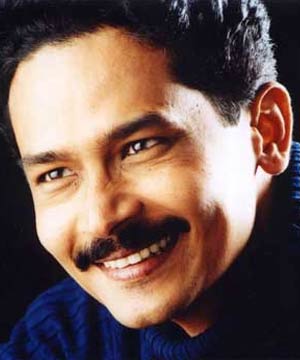
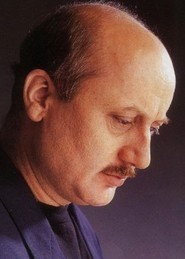
Atul Kulkarni
Atul Kulkarni is an Indian actor, best known for Tamil cinema. Atul Kulkarni began their career in 2000 and has been a prominent figure in the industry for over 26 years. With over 60 credits to their name and an average audience rating of 6.0, Atul Kulkarni remains one of the most prolific and celebrated talents in the industry. Spanning 20+ years, Atul Kulkarni's career remains one of the longest and most celebrated in Tamil cinema.
- Born
- Age
- 60
Biography
Atul Kulkarni is a National Award winning Indian film actor who has acted in multiple language films. Kulkarni won the National Award for the best supporting actor for the films Hey Ram and Chandni Bar.
Career Milestones
Film breakthrough and first National Film Award for Best Supporting Actor
View film →Second National Film Award for Best Supporting Actor
View film →Major Hindi cinema performance
View film →Asia Pacific Screen Award nomination for Best Performance by an Actor; critical and commercial breakthrough in Marathi cinema
Screenplay writer for official Hindi remake of Forrest Gump
Iconic Roles
Hey Ram
A complex, emotionally layered role that showcased Kulkarni's range. Won the National Award for Best Supporting Actor, establishing him as a serious actor beyond commercial cinema.
Chandni Bar
A powerful, intense performance in a dark drama that earned Kulkarni his second National Award for Best Supporting Actor, defining his reputation as a serious, versatile performer.
Natarang
The protagonist who transforms from an impoverished laborer to a performer in the Tamasha tradition. Earned Asia Pacific Screen Awards nomination and is regarded as one of his finest performances.
Rang De Basanti
A youth-oriented role in this landmark Bollywood film that brought Kulkarni to mainstream audiences and demonstrated his appeal in large-scale commercial cinema.
Page 3
A seasoned crime journalist mentor who guides the protagonist through ethical dilemmas of journalism, featuring a memorable dialogue about 'changing the system' that Kulkarni helped craft.
Atul Kulkarni by the Numbers
If you watched every Atul Kulkarni film back-to-back, you'd be at it for roughly 4 days and 23h. Most-paired with Om Puri — 7 films together.
Filmography
See all 60 credits →











Collaboration Network
The Constellation
Top 10 most-paired collaborators. Bubble size and line thickness reflect how many films they share with Atul Kulkarni.
Career Analytics
Genre Breakdown
Language Distribution
Films by Decade
Top Co-Actors
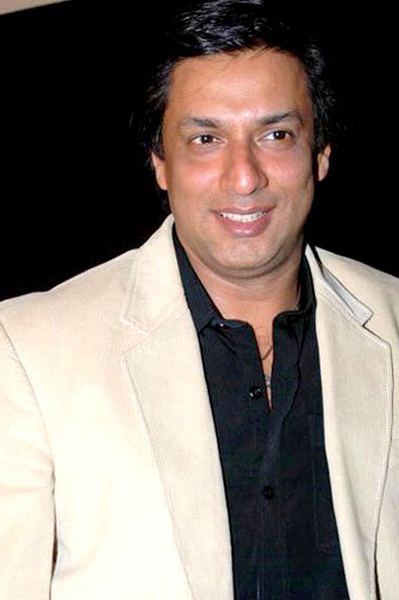
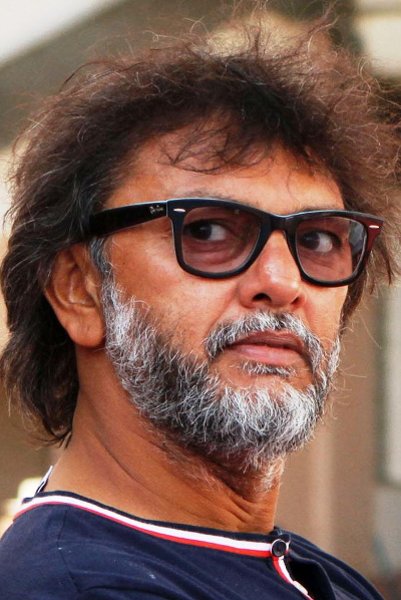
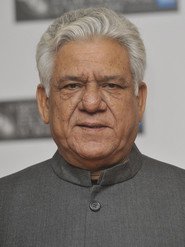
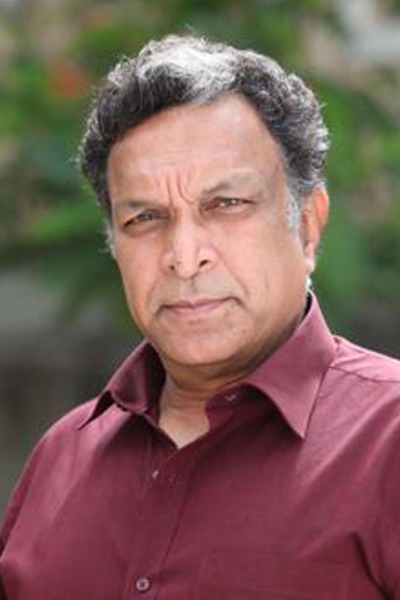
See all →Atul Kulkarni has worked most frequently with Madhur Bhandarkar (3 films), Vishnuvardhan (2 films), Rakeysh Omprakash Mehra (2 films), Sankalp Reddy (2 films), and Om Puri (7 films).




Did You Know?
Atul Kulkarni is a trained theatre actor from the National School of Drama, graduating in 1995.
He won the National Film Award for Best Supporting Actor twice, for 'Hey Ram' (2000) and 'Chandni Bar' (2001).
He is known for his proficiency in multiple Indian languages, having acted in Marathi, Hindi, Kannada, Tamil, Telugu, and Malayalam films.
He played a pivotal role as a police officer in the critically acclaimed Marathi film 'Natsamrat' (2016).
He is married to actress Geetanjali Kulkarni.
Signature Dialogues
Fasadi Nahin Oh Kranti Kari Hain.. Unhe Krantikari Kahiye
Laxman Pandey (Ramprasad Bismil)·Rang De Basanti
Legacy & Influence
Atul Kulkarni's career stands as a testament to the power of character acting in shaping the narrative depth of Indian cinema. Emerging from a strong theatre background in Maharashtra, he brought a disciplined, methodical approach to film, becoming a pivotal figure in bridging parallel and mainstream cinematic traditions. His National Film Award-winning performances in 'Hey Ram' (2000) and 'Chandni Bar' (2001) early in his film career were not just personal triumphs but also signaled a shift, proving that supporting roles with intense realism could anchor a film's emotional and social core. In 'Chandni Bar', his portrayal of the brooding, complex Potya brought raw authenticity to a gritty urban drama, while in 'Hey Ram', his role added crucial ideological layers to the historical narrative. Kulkarni's trajectory is marked by a deliberate choice of roles across multiple languages—including Hindi, Marathi, Tamil, Telugu, and Kannada—that often explore social-political themes, from the patriotic fervor and disillusionment in 'Rang De Basanti' (2006) to the systemic critiques in films like 'Page 3' (2005). He excels at embodying the common man with uncommon depth, whether as a corrupt cop, a principled activist, or a weary family man, often serving as the moral compass or the stark reality check within a story. His contribution lies in elevating the stature of the character actor, demonstrating that these performances are essential for cinematic authenticity and impact. By consistently choosing scripts with substantive content over mere commercial appeal, Kulkarni has fortified a space for serious, performance-driven cinema within the industry, influencing a generation of actors to prioritize craft and narrative substance. His work remains a crucial reference point for realism in Indian film.