Padmini Kapila
Padmini Kapila is an Indian actor, best known for Tamil cinema. Padmini Kapila began their career in 1980. With 30 credits to their name, Padmini Kapila remains one of the most prolific and celebrated talents in the industry. Spanning 40+ years, Padmini Kapila's career remains one of the longest and most celebrated in Tamil cinema.
Career Milestones
Film debut
View film →Highest rated: Laawaris (6.7)
View film →Padmini Kapila by the Numbers
If you watched every Padmini Kapila film back-to-back, you'd be at it for roughly 18 hours. Most-paired with Kareena Kapoor — 2 films together.
Filmography
See all 30 credits →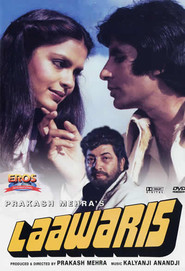
Collaboration Network
The Constellation
Top 6 most-paired collaborators. Bubble size and line thickness reflect how many films they share with Padmini Kapila.
Career Analytics
Language Distribution
Films by Decade
Top Co-Actors
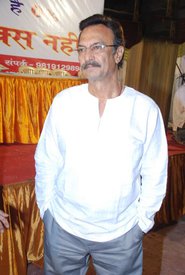
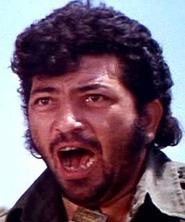
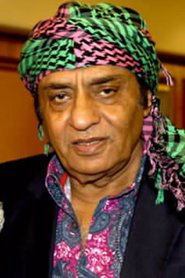
See all →Padmini Kapila has worked most frequently with Kareena Kapoor (2 films), Suresh Oberoi (2 films), Amjad Khan (2 films), Ranjeet (2 films), and Vijayendra Ghatge (2 films).


Legacy & Influence
Padmini Kapila is a supporting actress in Indian cinema whose career, though not widely documented, spans notable films from the 1980s to the early 2000s. Her filmography includes roles in productions such as 'Ghungroo' (1983) and 'Guest House' (1980), which belong to the vibrant era of Hindi commercial cinema. Her most recognized work is perhaps in the critically acclaimed film 'Refugee' (2000), a landmark movie that marked the debut of major stars Abhishek Bachchan and Kareena Kapoor. In 'Refugee', Kapila played a supporting role, contributing to the film's ensemble cast that portrayed the human stories within a tense border drama. While specific details of her performances and the nature of her characters are not extensively chronicled, her presence in films across different decades indicates a sustained involvement in the industry. Her career trajectory suggests a professional who worked consistently in character roles, a vital component of the cinematic ecosystem that supports lead narratives. The lack of extensive biographical information or major starring roles positions her as one of the many dedicated artists whose work collectively enriches the texture of Indian films. Her contribution lies in this very participation—being part of significant projects and collaborating with prominent filmmakers and actors of her time. Without verified claims of awards or widespread critical analysis, her legacy is defined by her film credits and her role in the collaborative art of filmmaking during the periods she was active.