Chand
Chand is an Indian director, best known for Tamil cinema. Chand began their career in 1979. With 30 credits to their name, Chand remains one of the most prolific and celebrated talents in the industry. Chand is one of the most closely watched talents of their generation, with a rapidly growing body of acclaimed work.
Career Milestones
Film debut
View film →Highest rated: Ahimsa (6.8)
View film →Chand by the Numbers
If you watched every Chand film back-to-back, you'd be at it for roughly 11 hours. Most-paired with Rekha — 2 films together.
Filmography
See all 30 credits →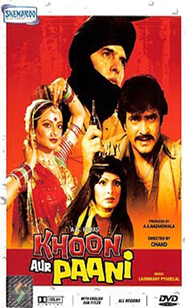
Collaboration Network
The Constellation
Top 3 most-paired collaborators. Bubble size and line thickness reflect how many films they share with Chand.
Career Analytics
Language Distribution
Films by Decade
Top Co-Actors
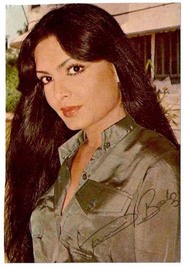
See all →Chand has worked most frequently with Rekha (2 films), Ranjeeta Kaur (2 films), and Parveen Babi (2 films).


Legacy & Influence
Chand is a significant figure in the history of Indian cinema, primarily recognized as a pioneering film director and producer during the early sound era. His most notable and enduring contribution is the 1934 film 'Nala Damayanti', which holds the distinction of being India's first talkie film in the Telugu language. This landmark production was instrumental in catalyzing the growth of the Telugu film industry, demonstrating the commercial and artistic viability of sound films in regional languages beyond Hindi. Chand's work provided a crucial template for narrative storytelling with synchronized sound, influencing the technical and creative approaches of subsequent filmmakers in South India. While details of his broader filmography are less documented, the historical importance of 'Nala Damayanti' secures his legacy as a foundational figure. His career trajectory represents the entrepreneurial spirit of early Indian cinema, where producers and directors often undertook significant financial and technical risks to advance the medium. By successfully adapting a classic epic tale for the new talkie format, Chand helped bridge traditional Indian storytelling with modern cinematic technology, ensuring cultural stories reached contemporary audiences. His contribution lies not in a vast body of work, but in a single, transformative achievement that helped shape the geographical and linguistic expansion of India's film industry.