Ranjeeta Kaur
Ranjeeta Kaur is an Indian actor, best known for Tamil cinema. Ranjeeta Kaur began their career in 1979 and has been a prominent figure in the industry for over 47 years. With over 60 credits to their name, Ranjeeta Kaur remains one of the most prolific and celebrated talents in the industry. Spanning 40+ years, Ranjeeta Kaur's career remains one of the longest and most celebrated in Tamil cinema.
- Born
- Age
- 69
Biography
Ranjeeta Kaur (born Ranjeeta Kaur Mirza, 22 September 1956) is an Indian actress who trained at FTII and built her career in Hindi cinema during the late 1970s and 1980s, appearing in approximately 47 films. She is best known for her role in Ankhiyon Ke Jharokhon Se (1978) and earned a Filmfare Award nomination for Best Supporting Actress for Teri Kasam (1982), where she played the character Shanti. She frequently portrayed girl-next-door roles and appeared alongside major stars of the era in films such as Satte Pe Satta (1982), Armaan (1981), Haadsaa (1983), and Qatl (1986). After her acting career, she worked as a second unit director, assistant director, and writer, and currently resides in Norfolk, Virginia, USA.
Defining Moments
Debut opposite Rishi Kapoor in the title roles of this classic tragic romance, establishing her as a major romantic lead from the outset of her career
Her breakthrough debut performance in one of Bollywood's most beloved love stories launched her stardom and set the template for her screen image as a romantic heroine
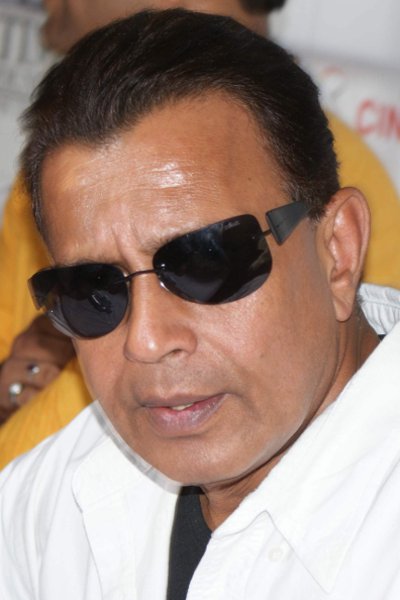
Her pairing with Mithun Chakraborty in the spy-action thriller, beginning one of Hindi cinema's most prolific actor-actress partnerships — they went on to appear in 22 films together
The Ranjeeta–Mithun pairing became iconic in 1980s action cinema; no other actress-actor duo of that decade matched their on-screen frequency or audience recall
Performance as the lead in this Rajshri Productions romantic drama opposite Mithun Chakraborty, noted for its music and emotional chemistry between the leads
Rajshri Productions films carried family-audience prestige; this role reinforced her image as a versatile actress equally at home in wholesome romance and action genres
Role as Seema Singh, a disabled heiress targeted for murder by Amitabh Bachchan's lookalike villain — her scenes with the impersonator who falls for her instead drive the film's dramatic pivot
One of the biggest Bollywood blockbusters of the era; her performance alongside Amitabh Bachchan and Hema Malini cemented her as a top-tier leading actress of 1980s masala cinema
Her dramatic performance in this action thriller alongside Naseeruddin Shah and Smita Patil, holding her own against two of parallel cinema's biggest names
Demonstrated her range beyond commercial masala films; sharing the screen credibly with art-cinema stalwarts Naseeruddin Shah and Smita Patil broadened her critical reputation
View film →Ranjeeta Kaur by the Numbers
If you watched every Ranjeeta Kaur film back-to-back, you'd be at it for roughly 4 days and 4h. Most-paired with Mithun Chakraborty — 22 films together.
Filmography
See all 60 credits →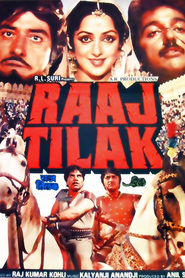
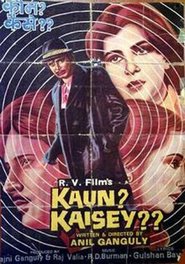
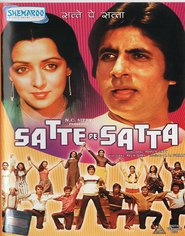
Collaboration Network
The Constellation
Top 10 most-paired collaborators. Bubble size and line thickness reflect how many films they share with Ranjeeta Kaur.
Career Analytics
Genre Breakdown
Language Distribution
Films by Decade
Top Co-Actors
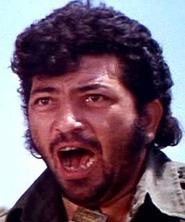
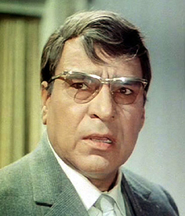
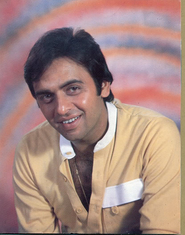
See all →Ranjeeta Kaur has worked most frequently with Deepak Bahry (5 films), Ambrish Sangal (3 films), Ravikant Nagaich (3 films), Rajat Rakshit (2 films), and Chand (2 films).


Legacy & Influence
Ranjeeta Kaur is a notable actress in Indian cinema, primarily active in the late 1970s and 1980s. She is best remembered for her roles in romantic and dramatic films during this period, often portraying characters that resonated with the contemporary audience. Her career trajectory began with notable appearances in films like 'Tarana' (1979), where she worked alongside established stars, helping to establish her presence in the industry. A significant phase of her career includes her work in the early 1980s, with films such as 'Aap To Aise Na The' (1980), 'Khwab' (1980), and 'Jiyo To Aise Jiyo' (1981). These films, typically in the social and family drama genres, contributed to the popular cinema of the era, characterized by melodic music and relatable narratives. While not necessarily a top-billed star in major blockbusters, her consistent performances in supporting and lead roles in medium-budget productions added depth to the ensemble casts of that time. Her role in the thriller 'Qatl' (1986) also showcases a shift towards different genres. Ranjeeta's contribution lies in her embodiment of the typical heroine of her time—graceful, expressive, and integral to the storytelling fabric of mainstream Hindi cinema during a period of transition. She worked with several prominent actors and directors of the day, becoming a familiar face that represented a certain cinematic style. Her filmography, though not extensively documented with major awards or critical acclaim in historical records, forms a part of the broader tapestry of commercial Indian cinema from that decade, appealing to a wide audience and contributing to its enduring nostalgic appeal.