Narendra Bedi
Narendra Bedi is an Indian director, best known for Tamil cinema. Narendra Bedi began their career in 1982. With 30 credits to their name, Narendra Bedi remains one of the most prolific and celebrated talents in the industry. Spanning 40+ years, Narendra Bedi's career remains one of the longest and most celebrated in Tamil cinema.
Career Milestones
Film debut
View film →Highest rated: Sanam Teri Kasam (6.8)
View film →Narendra Bedi by the Numbers
If you watched every Narendra Bedi film back-to-back, you'd be at it for roughly 16 hours. Most-paired with Reena Roy — 3 films together.
Filmography
See all 30 credits →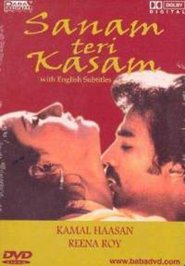
Collaboration Network
The Constellation
Top 2 most-paired collaborators. Bubble size and line thickness reflect how many films they share with Narendra Bedi.
Career Analytics
Language Distribution
Films by Decade
Top Co-Actors
See all →Narendra Bedi has worked most frequently with Reena Roy (3 films), and Vinod Khanna (2 films).


Legacy & Influence
Narendra Bedi was a significant figure in Hindi cinema during the 1970s and early 1980s, primarily known for his work as a director and writer. His career trajectory began in the late 1960s, and he quickly established himself as a filmmaker who could handle both commercial potboilers and more nuanced social dramas. His most notable contribution lies in his successful collaborations with major stars of the era, particularly Rajesh Khanna. Bedi directed Khanna in several hit films, including 'Khamoshi' (1969), which, though not a major commercial success initially, is now regarded as a classic for its sensitive portrayal of complex relationships and its memorable music. He later directed the superstar in the commercially successful 'Roti' (1974), a film noted for its social commentary on poverty and corruption. Bedi's filmmaking often incorporated elements of social issues within mainstream frameworks, attempting to blend entertainment with substance. His work frequently explored themes of love, sacrifice, and societal conflict. While not necessarily an avant-garde auteur, Bedi was a reliable and effective storyteller within the commercial Hindi film industry of his time. His films contributed to the cinematic landscape of the 1970s, a period marked by the rise of the 'angry young man' and shifting narrative styles. His directorial output, though not extensive, left a mark through its association with key stars and its reflection of contemporary thematic concerns. His passing in 1983 cut short a career that had shown consistent commercial viability and a capacity to work with top-tier talent.