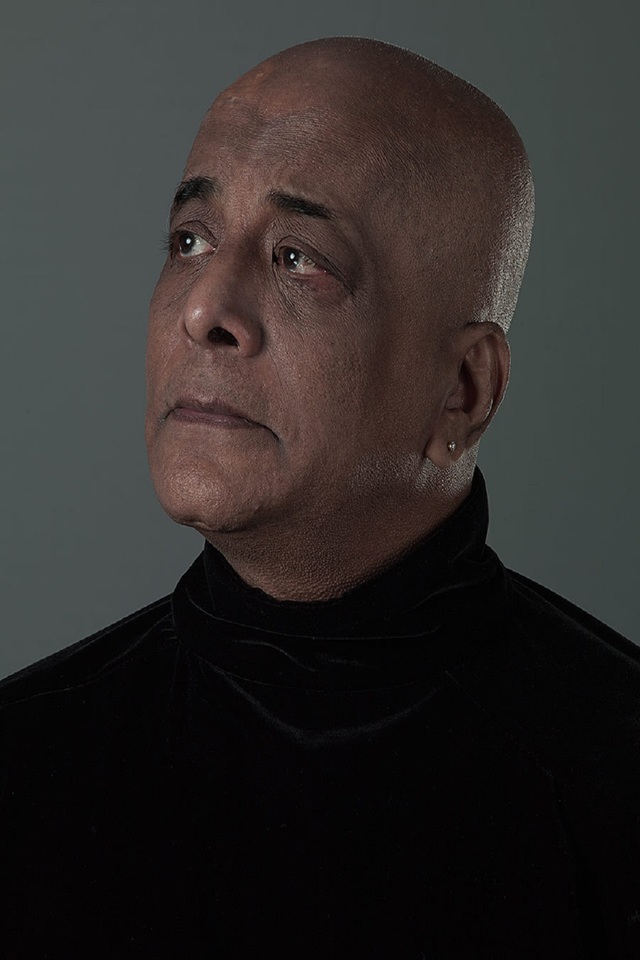
Rabindra Dharmaraj
Rabindra Dharmaraj is an Indian director, best known for Tamil cinema. Rabindra Dharmaraj began their career in 1980. With 30 credits to their name and an average audience rating of 7.5, Rabindra Dharmaraj remains one of the most prolific and celebrated talents in the industry. An emerging voice in Tamil cinema, Rabindra Dharmaraj is already attracting significant attention for their distinctive work.
Career Milestones
Film debut
View film →Highest rated: Chakra (7.5)
View film →Rabindra Dharmaraj by the Numbers
If you watched every Rabindra Dharmaraj film back-to-back, you'd be at it for roughly 4 hours. Most-paired with Rohini Hattangadi — 2 films together.
Filmography
See all 30 credits →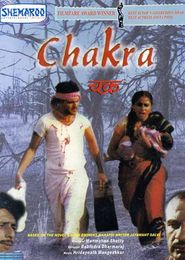
Collaboration Network
The Constellation
Top 6 most-paired collaborators. Bubble size and line thickness reflect how many films they share with Rabindra Dharmaraj.
Career Analytics
Language Distribution
Films by Decade
Top Co-Actors
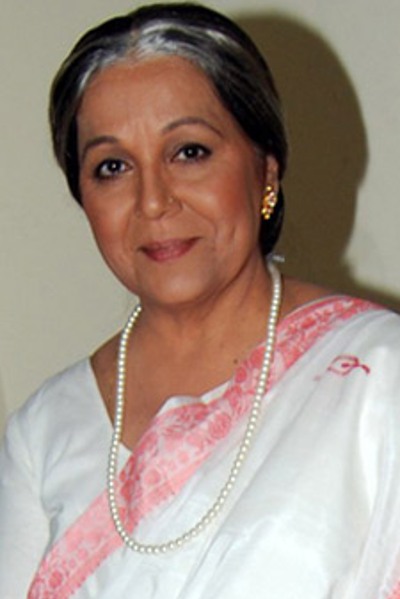
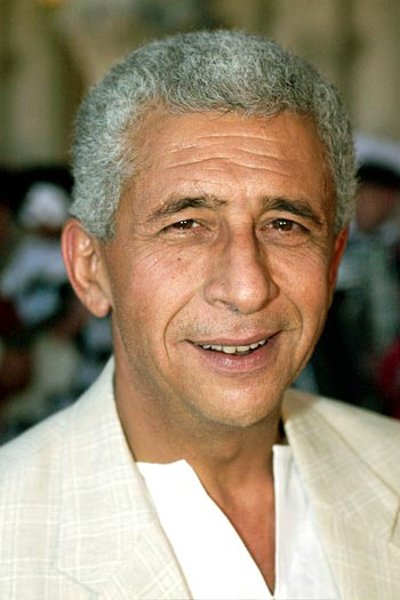
See all →Rabindra Dharmaraj has worked most frequently with Rohini Hattangadi (2 films), Naseeruddin Shah (2 films), Kulbhushan Kharbanda (2 films), Smita Patil (2 films), and Salim Ghouse (2 films).


Legacy & Influence
Rabindra Dharmaraj was a significant figure in the Indian Parallel Cinema movement of the 1970s and 1980s, known for his socially conscious and artistically rigorous filmmaking. His career, though tragically brief, left a distinct mark on Marathi and Indian cinema. He is primarily celebrated for his debut and only completed feature film, 'Chakra' (1981). The film is a landmark work of Indian neo-realism, offering an unflinching and gritty portrayal of urban poverty and the cycle of violence within a Mumbai chawl (tenement). Dharmaraj's direction was noted for its raw authenticity, atmospheric depth, and compassionate yet unsentimental gaze at marginalized lives. 'Chakra' won the National Film Award for Best Feature Film in 1981, cementing its critical importance. His approach aligned with and strengthened the wave of parallel cinema led by figures like Shyam Benegal, Mrinal Sen, and Govind Nihalani, focusing on substantive narratives over commercial formulas. Dharmaraj's work demonstrated the power of regional language cinema to tackle universal, hard-hitting themes with national resonance. His untimely death in 1982 cut short a promising career, leaving 'Chakra' as his seminal testament. The film continues to be studied and revered for its powerful social commentary, technical craftsmanship, and its place in the canon of Indian art-house cinema that challenged mainstream conventions and expanded the thematic boundaries of the industry.