Sagar Desai
Sagar Desai is an Indian original music composer, best known for Tamil cinema. Sagar Desai began their career in 2009. With 30 credits to their name and an average audience rating of 6.4, Sagar Desai remains one of the most prolific and celebrated talents in the industry. Spanning 10+ years, Sagar Desai's career remains one of the longest and most celebrated in Tamil cinema.
Biography
Sagar Desai is a Mumbai-based Hindi cinema music composer, originally from Chicago, who holds an architecture degree from the University of Illinois at Urbana-Champaign and is known for scoring intimate, indie Hindi films. He won Best Music at the Imagineindia International Film Festival in Madrid twice — for Ankhon Dekhi (2014, directed by Rajat Kapoor) and Kadakh (2020, also directed by Rajat Kapoor). Desai has a strong recurring collaboration with director Rajat Kapoor, having scored at least four of his films including RK/RKAY (2022), and his compositions are characterized by an emphasis on organic sound design. His recent work includes Mrs. (2023) and Zwigato (2023, directed by Nandita Das), cementing his place as a go-to composer for socially conscious Indian indie cinema.
Career Milestones
Hindi film debut as music director
Breakthrough with critically acclaimed score using Hindustani classical elements
View film →Won Best Background Score at FOI Online Awards; nominated for Filmfare Award for Best Background Score
Won Best Music (1st prize) at Imagineindia International Film Festival Madrid
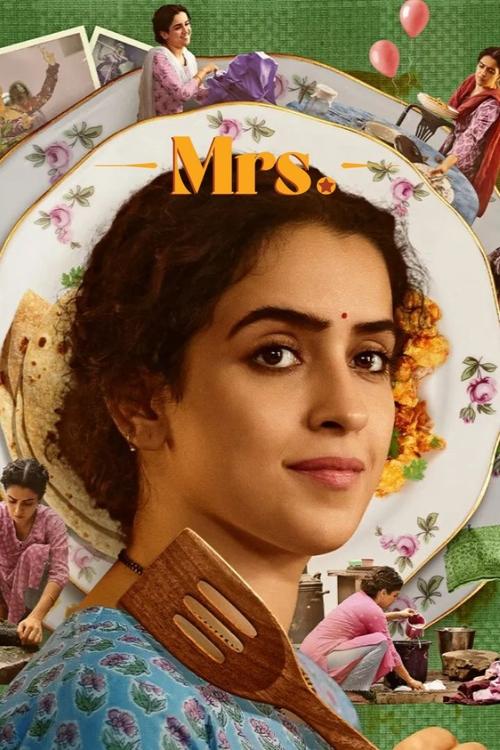
Co-composed music for award-circuit drama Mrs.
View film →Defining Moments
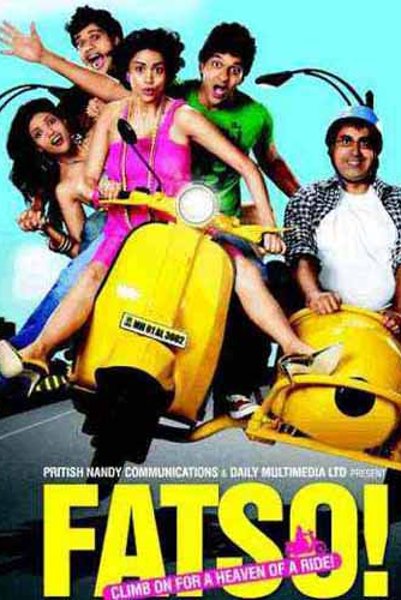
Playful, irreverent title track 'Fat People Get On the Floor' blending comedy with genuine warmth
One of Desai's earliest prominent works; the song (which he also sang) showed his range — a sharp tonal contrast to his later minimalist work — and introduced him to wider Hindi film audiences.
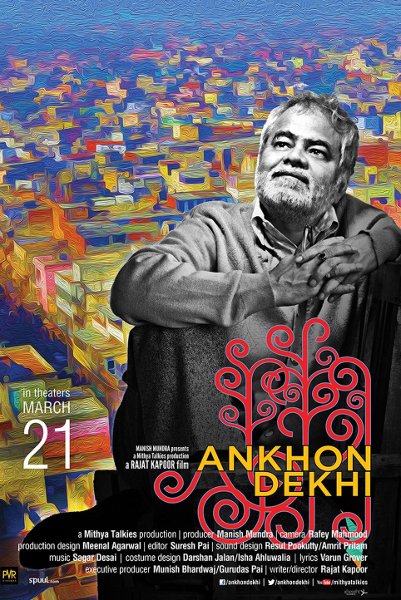
View film →The spare, classical score underlying Bauji's philosophical awakening — particularly the use of behag raag in 'Dheeme Re Re' which plays during his introspective moments of questioning reality and lived experience
Widely cited as a career-defining work; the minimalist classical compositions (sarangi, tabla) matched Rajat Kapoor's deeply personal filmmaking and are credited with elevating the film's meditative tone. The soundtrack is considered one of the finest in independent Indian cinema of the 2010s.
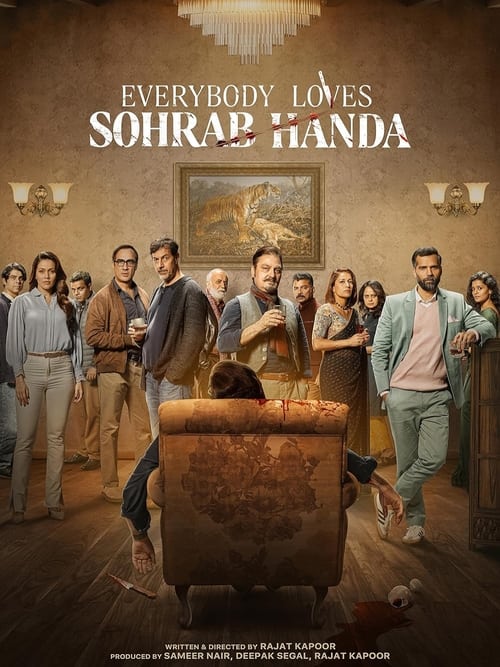
View film →The funereal yet warm folk-classical score that underscores the dysfunctional family gathering across the thirteen days of mourning
Desai's music was praised for walking the tonal tightrope of the film — simultaneously elegiac and gently comedic. Won Best Music at the Imagineindia Film Festival (for Kadakh) and cemented his reputation as the go-to composer for Indian slice-of-life dramas.
Score accompanying Richa's quiet domestic subjugation scenes — understated strings and silence used to articulate what dialogue doesn't say
The restrained score was noted by critics for reinforcing the film's feminist core; Desai's choice of near-silence and sparse instrumentation during scenes of marital confinement became a talking point in discussions of the film's emotional impact.
View film →Sagar Desai by the Numbers
If you watched every Sagar Desai film back-to-back, you'd be at it for roughly 16 hours. Most-paired with Rajat Kapoor — 2 films together.
Filmography
See all 30 credits →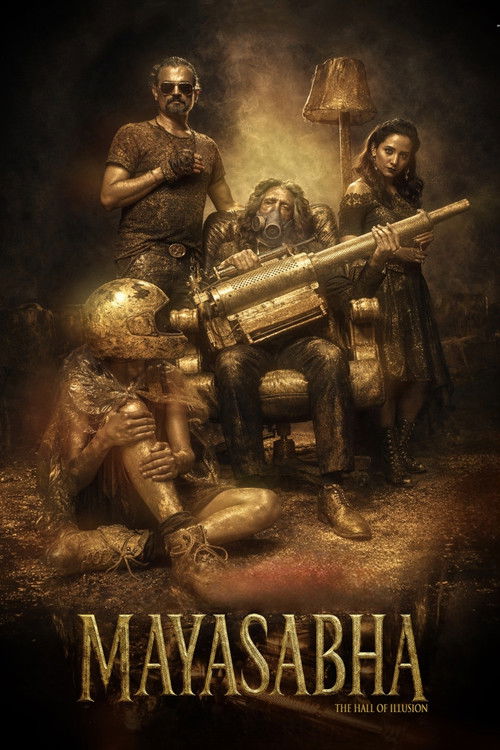

Collaboration Network
The Constellation
Top 6 most-paired collaborators. Bubble size and line thickness reflect how many films they share with Sagar Desai.
Career Analytics
Genre Breakdown
Language Distribution
Films by Decade
Top Co-Actors
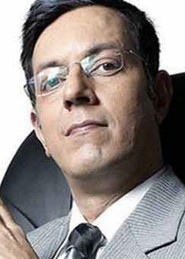
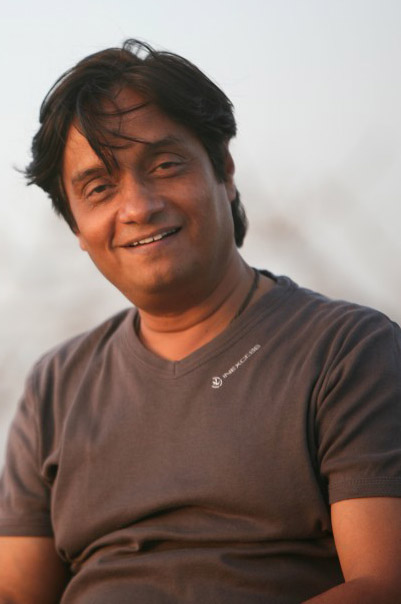
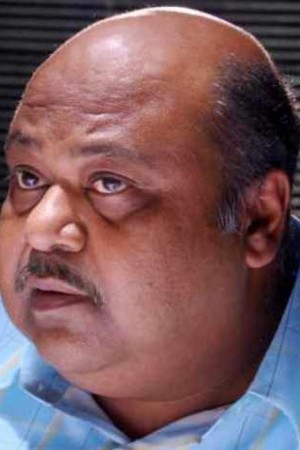
See all →Sagar Desai has worked most frequently with Rajat Kapoor (2 films), Rajat Kapoor (2 films), Brijendra Kala (2 films), Saurabh Shukla (2 films), and Vinay Pathak (2 films).


Legacy & Influence
Sagar Desai is a respected music composer and sound designer in the Indian film industry, primarily known for his work in Marathi and Hindi cinema. His career trajectory is defined by a strong foundation in classical music and a modern, innovative approach to film scoring and soundscapes. Desai's contribution lies in elevating the auditory narrative of films, often blending traditional Indian musical elements with contemporary orchestration and experimental sound design. He gained significant recognition for his work in acclaimed Marathi films like 'Fandry' (2013) and 'Sairat' (2016), where his scores and background music were integral to the films' emotional depth and raw, authentic feel. His compositions for 'Sairat', in particular, became culturally resonant, with the music playing a key role in the film's monumental success. In Hindi cinema, he has contributed to projects such as 'Photograph' (2019) and 'Gehraiyaan' (2022), demonstrating versatility across genres. His work is characterized by a meticulous, theme-driven approach that supports the director's vision without overpowering the narrative. Desai's influence extends to fostering a new sonic aesthetic in regional and mainstream cinema, where music and sound are treated as essential characters. He represents a generation of composers who are technically proficient, narratively conscious, and unafraid to experiment, thereby enriching the overall cinematic experience and inspiring upcoming musicians in the industry.