Aishwarya Sivachandran
Aishwarya Sivachandran is an Indian actor, best known for Tamil cinema. Aishwarya Sivachandran began their career in 2003 and has been a prominent figure in the industry for over 23 years. With 30 credits to their name and an average audience rating of 7.2, Aishwarya Sivachandran remains one of the most prolific and celebrated talents in the industry. An emerging voice in Tamil cinema, Aishwarya Sivachandran is already attracting significant attention for their distinctive work.
- Born
- Age
- 55
Biography
Aishwarya Sivachandran, also credited as Aishwariyaa Bhaskaran, is an Indian actress active in Tamil, Telugu, and Malayalam cinema, best known for her supporting and character roles across multiple industries. She appeared in Amma Nanna O Tamila Ammayi (2003) alongside Venkatesh and Trisha, Priyasakhi (2005), and Sringaram (2007), a classical dance-drama in which she played the role of Mirasu's wife. She is the daughter of veteran actress Lakshmi and has demonstrated range across family dramas, action films, and dance-centric narratives. She also gained recognition in Malayalam television for her portrayal of Lalitha Bai in the Asianet serial Paarijatham, winning a Best Actress in a Negative Role award for the role.
Career Milestones
Film debut in Oliyampukal
Hindi film debut in Gardish
Comeback after personal struggles and rehabilitation
Best Actress in a Negative Role award for TV serial
Appeared in critically noted Tamil period drama
View film →Aishwarya Sivachandran by the Numbers
If you watched every Aishwarya Sivachandran film back-to-back, you'd be at it for roughly 7 hours.
Filmography
See all 30 credits →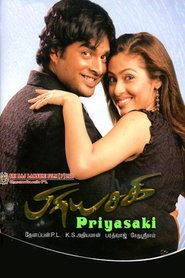

Career Analytics
Language Distribution
Films by Decade
Family
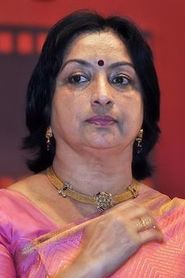
Mother
Lakshmi

Sibling
Karthi
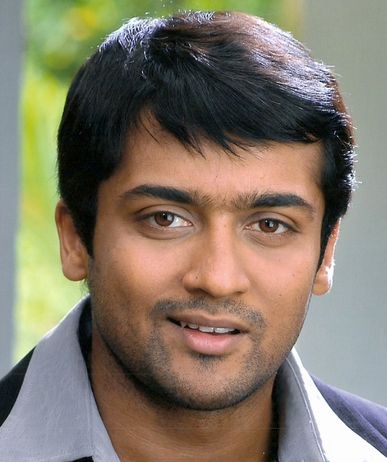
Sibling
Suriya
Legacy & Influence
Aishwarya Sivachandran is a notable figure in South Indian cinema, recognized for her work in Tamil and Telugu films during the early to mid-2000s. Her career trajectory began with her debut in the Telugu film 'Amma Nanna O Tamila Ammayi' (2003), where she played a significant role, marking her entry into the industry. This film, directed by Puri Jagannadh, was a commercial success and helped establish her presence. She followed this with a role in the Tamil film 'Priyasakhi' (2005), a romantic drama that, while not a major box office hit, contributed to her filmography. Her most acclaimed work is arguably in the Tamil film 'Sringaram' (2007), a period drama centered on the classical dance form of Bharatanatyam. Directed by Sharada Ramanathan, the film was praised for its artistic depth and cultural portrayal, earning critical acclaim and several awards, though specific accolades for her performance are not verified here. Aishwarya's contribution lies in her choice of roles that often intersected with culturally rich narratives, particularly in 'Sringaram', which highlighted traditional Indian arts. Her filmography, though limited, reflects a focus on projects with substantive themes rather than purely commercial ventures. She has not been as active in mainstream cinema in recent years, but her work in the 2000s remains a part of the diverse tapestry of South Indian cinema, especially in films that blend artistic expression with popular storytelling. Her impact is subtle, seen in her association with films that valued cultural heritage, contributing to the niche of art-house cinema within the broader Indian film landscape.