Kutty Radhika
Kutty Radhika is an Indian actor, best known for Tamil cinema. Kutty Radhika began their career in 2003 and has been a prominent figure in the industry for over 23 years. With 30 credits to their name and an average audience rating of 7.5, Kutty Radhika remains one of the most prolific and celebrated talents in the industry. An emerging voice in Tamil cinema, Kutty Radhika is already attracting significant attention for their distinctive work.
- Born
- Age
- 39
Biography
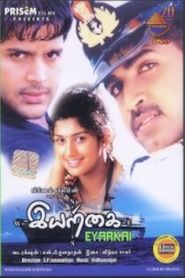
Kutty Radhika (born Radhika Kumaraswamy) is an Indian actress primarily known for her work in Kannada cinema, with notable appearances in Tamil films. Her Tamil debut was in S. P. Jananathan's Iyarkai (2003), where she played Nancy, and she followed this with a role as Rani in the S. Ramu-directed Meesai Madhavan (2004) alongside debutant Ramana and Ilavarasu. Her performance as Gowri in the Kannada film Thayi Illada Tabbali earned her the Karnataka State Film Award for Best Actress. She has also worked as a film producer and distributor in the Kannada film industry.
Career Milestones
Film debut in Kannada cinema while still in school
Tamil film debut as Nancy, gaining widespread recognition and the nickname 'Kutty Radhika'
View film →Lead role in Tamil film consolidating her cross-industry presence
View film →Iconic Roles
Iyarkai
Her breakthrough Tamil role in this National Award-winning film directed by S. P. Jhananathan, based on Dostoevsky's 'White Nights'. Described by critics as 'impulsive, immature and obdurate,' the role showcased her dramatic range opposite Vinay.
Defining Moments
Nancy's emotional breakdown when her ring (gifted by Arun Vijay's character) slips into the ocean, prompting Marudhu to dive in to retrieve it — a pivotal turning point that reveals Nancy's emotional depth and her conflicted feelings
This scene showcased Kutty Radhika's ability to convey layered emotion — grief, guilt, and suppressed love — and is frequently referenced in discussions of the film's romantic drama. Iyarkai won the National Film Award for Best Tamil Feature Film.
View film →The climax wedding scene where Nancy realizes the kneeling masked man is Mukundan (Arun Vijay), not Marudhu — her shocked, torn expression encapsulates the film's central emotional conflict
The climax rested heavily on Kutty Radhika's reaction performance; critics noted her naturalistic portrayal as the impulsive, stubborn Nancy who must finally confront her true feelings.
View film →Nancy rebuffing Marudhu's repeated expressions of love while insisting she will wait for the ship captain — her defiant, headstrong characterization throughout the first half
The Hindu's review specifically praised Radhika as 'impulsive, immature and obdurate' and 'just right for the role', cementing this stubborn-romantic-lead persona as her defining screen identity.
View film →Kutty Radhika by the Numbers
If you watched every Kutty Radhika film back-to-back, you'd be at it for roughly 7 hours. Most-paired with Radhika Kumaraswamy — 3 films together.
Filmography
See all 30 credits →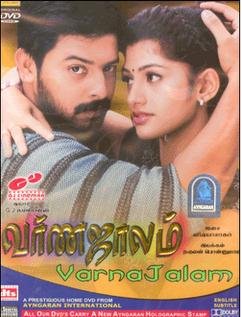
Collaboration Network
The Constellation
Top 2 most-paired collaborators. Bubble size and line thickness reflect how many films they share with Kutty Radhika.
Career Analytics
Language Distribution
Films by Decade
Top Co-Actors
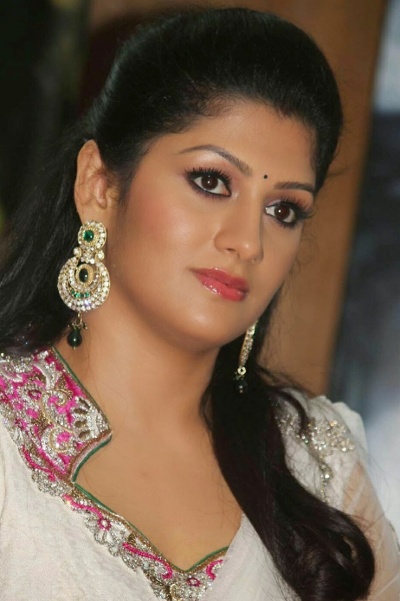
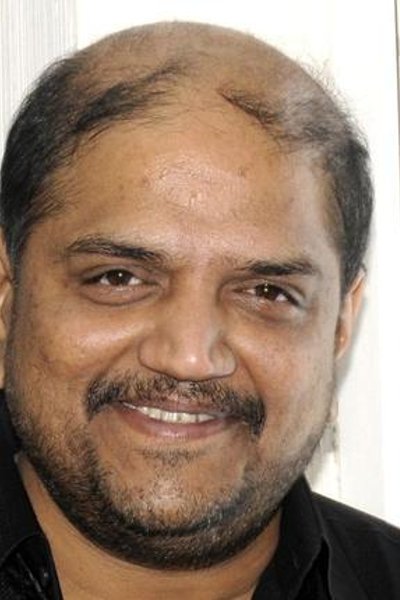
See all →Kutty Radhika has worked most frequently with Radhika Kumaraswamy (3 films), and Vidyasagar (2 films).
Legacy & Influence
Kutty Radhika's contribution to Indian cinema is primarily anchored in her work in early 2000s Tamil cinema. Her career trajectory, though brief and not extensively documented, is marked by notable performances in films that explored distinct genres. Her most significant role was as Nancy in the 2003 film 'Iyarkai', directed by S.P. Jananathan. The film, a philosophical drama focusing on environmentalism and human relationships, featured Radhika in a pivotal supporting role. Her performance contributed to the film's emotional core and its reception as a critically acclaimed, offbeat project. She followed this with an appearance in the 2004 comedy 'Meesai Madhavan', starring Vadivelu, which showcased her in a different, mass-entertainment milieu. While her filmography is limited, her association with these two contrasting films—one a thoughtful drama and the other a popular comedy—demonstrates a range that allowed her to connect with diverse audience segments during that period. Her work remains a point of reference for those studying the supporting actor landscape in Tamil cinema of the early 21st century, a time of transition and genre experimentation. However, the lack of a sustained or highly visible career thereafter limits a broader assessment of her long-term impact. Her legacy is thus defined by these specific cinematic moments, preserved in the film archives, where her performances continue to be part of the viewing experience for those films.