
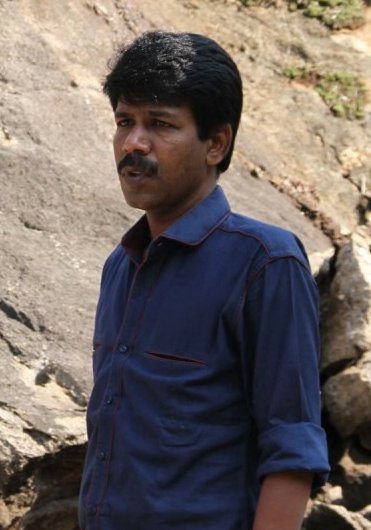
Bala
Bala is an Indian director, best known for Tamil cinema. Bala began their career in 1999 and has been a prominent figure in the industry for over 27 years. With 30 credits to their name and an average audience rating of 6.1, Bala remains one of the most prolific and celebrated talents in the industry. Spanning 20+ years, Bala's career remains one of the longest and most celebrated in Tamil cinema.
- Born
- Age
- 60
Biography
Bala is an Indian film director, screenwriter, and producer, working in Tamil cinema. Bala is widely acclaimed for \"revolutionizing Tamil cinema\" through his realistic, dark and disturbing depiction of the working class on celluloid screen. He has received several awards and recognition for his work, including the National Film Award for Best Director for his fourth feature film Naan Kadavul (2009).
Bala by the Numbers
If you watched every Bala film back-to-back, you'd be at it for roughly 2 days and 5h. Most-paired with Ilayaraja — 5 films together.
Filmography
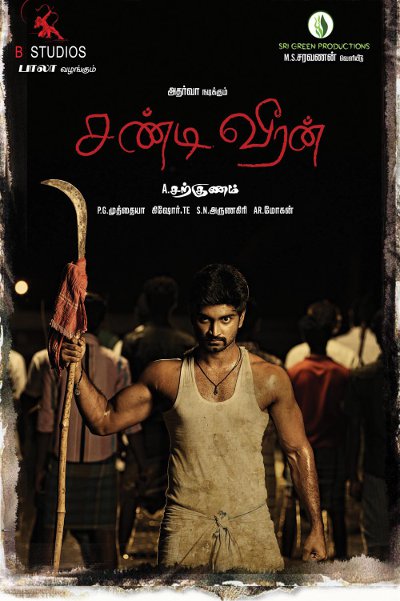
See all 30 credits →









Collaboration Network
The Constellation
Top 10 most-paired collaborators. Bubble size and line thickness reflect how many films they share with Bala.
Career Analytics
Genre Breakdown
Language Distribution
Films by Decade
Top Co-Actors
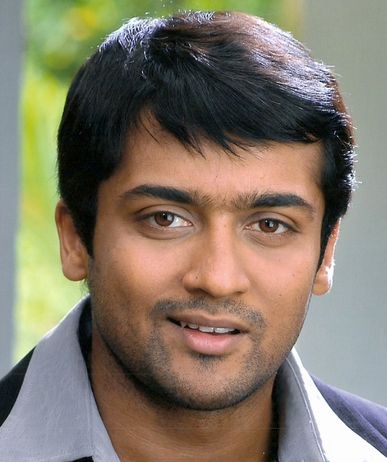
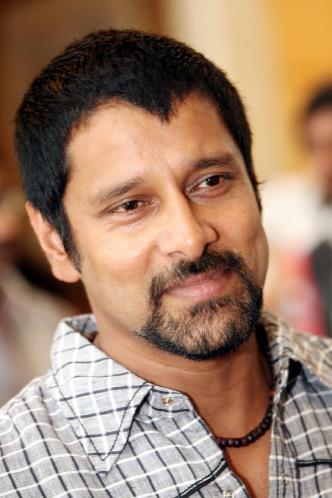
See all →Bala has worked most frequently with M. Sasikumar (2 films), Karunas (2 films), Suriya (2 films), Vikram (2 films), and Adharvaa (2 films).








Did You Know?
Bala's real name is Bala Subramaniyam.
He started his career as an assistant to director Balu Mahendra.
His directorial debut was 'Sethu' (1999), which launched actor Vikram to stardom.
He is known for his intense and often physically demanding preparation of actors for their roles.
His film 'Pithamagan' (2003) won the National Film Award for Best Feature Film in Tamil.
Photos
See all →
News & Stories
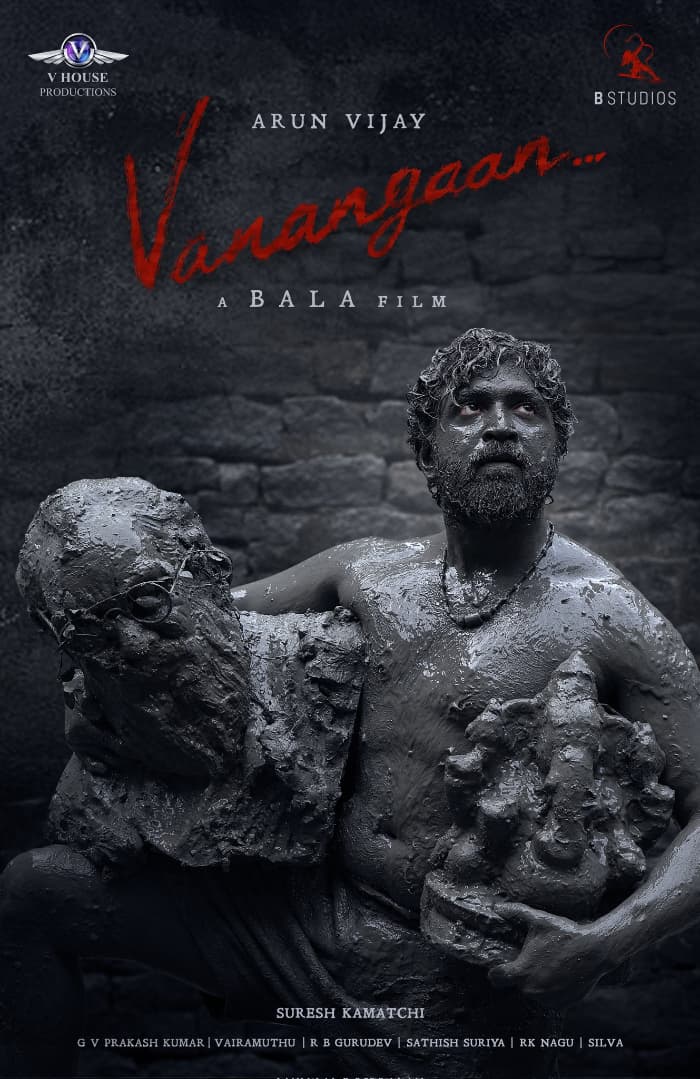
Here is the Arun Vijay Emerges in Striking New Poster for Vanangaan
20/11/2023
Vanangaan: Arun Vijay's new look revealed in the first look poster
25/9/2023
Interesting News on Director Bala’s next
17/11/2015
Legacy & Influence
Bala, born in 1966, is a seminal figure in Tamil cinema, renowned for his uncompromising and gritty directorial vision. He emerged as a distinct voice in the early 2000s, fundamentally shifting the portrayal of marginalized communities and social realism on screen. His career trajectory began with assisting director Balu Mahendra, an influence evident in his meticulous craftsmanship. Bala's debut, 'Sethu' (1999), was a landmark film that not only launched actor Vikram to stardom but also established Bala's signature style: unflinching narratives set against harsh, working-class realities, often culminating in tragic or unsettling conclusions. This film is frequently credited with pioneering the 'neo-noir' or gritty realism wave in Tamil cinema. He followed this with critically acclaimed films like 'Nandha' (2001) and 'Pithamagan' (2003), the latter winning the National Film Award for Best Feature Film in Tamil. His films are characterized by raw performances, often physically and psychologically transformative for his actors, and a stark visual aesthetic that avoids glamour. Bala's contribution lies in his defiance of mainstream commercial formulas. He brought a disturbing, poetic realism to the forefront, focusing on characters from the fringes of society—the mentally scarred, the socially ostracized, and the violently oppressed. His work opened avenues for darker, character-driven narratives within the industry and influenced a generation of filmmakers to explore complex, non-heroic protagonists. While his later films have met with varying commercial and critical reception, his early oeuvre remains a cornerstone of modern Tamil cinema's artistic evolution, cementing his legacy as a director who revolutionized its thematic depth and narrative courage.