
Laila
Laila is an Indian actor, best known for Tamil cinema. Laila began their career in 1996 and has been a prominent figure in the industry for over 30 years. With 30 credits to their name, Laila remains one of the most prolific and celebrated talents in the industry. Spanning 30+ years, Laila's career remains one of the longest and most celebrated in Tamil cinema.
- Born
- Age
- 45
Biography
Laila (born Laila Mehdi, October 24, 1980) is an Indian actress primarily known for her work in Tamil and Telugu cinema. She won the Tamil Nadu State Film Award for Best Actress (2003) and the Filmfare Award for Best Actress – Tamil (2004) for her role in Pithamagan, directed by Bala and co-starring Vikram, and had previously won the Filmfare Award for Best Actress – Tamil (2002) for Nandha. She frequently collaborated with director Bala and appeared in action films opposite stars like Ajith (Dheena, 2001) and Vikram (Dhill, 2001), demonstrating range across intense drama and commercial entertainers. After a lengthy hiatus following her 2006 marriage, she returned to the screen in Sardar (2022) and made her OTT debut in the Amazon/SonyLIV series Vadhandhi: The Fable of Velonie (2022).
Career Milestones
Tamil film debut
Filmfare Award for Best Actress – Tamil for Nandha
Tamil Nadu State Film Award for Best Actress
View film →Filmfare Award for Best Actress – Tamil for Pithamagan
View film →Comeback to Tamil cinema after 16-year hiatus
Iconic Roles
Pithamagan
Her most acclaimed role, earning her the Filmfare Award for Best Actress (Tamil) and Tamil Nadu State Film Award for Best Actress. A sparky, emotionally resonant performance opposite Vikram.
Kanda Naal Mudhal
A romantic comedy role widely remembered as one of her charming mainstream performances.
Dheena
Part of the commercial blockbuster that boosted her visibility in Tamil cinema alongside Ajith Kumar.
Dhill
Another commercially successful role that established her as a leading actress in Tamil films.
Defining Moments
Kalyani's portrayal as a Sri Lankan Tamil refugee from Jaffna — conveying grief, displacement, and quiet love opposite Suriya with remarkable restraint
Won her the Filmfare Award for Best Actress (Tamil) 2002; praised for emotional depth and nuance in a socially charged role, establishing her as a serious actress
Asha's restaurant scene where Inspector Encounter Shankar's indecent behavior toward her triggers Kanagavel's violent retaliation — the catalyst for the film's entire revenge plot
A pivotal narrative turning point widely referenced when discussing the film; demonstrated Laila's ability to anchor a high-stakes dramatic moment early in her career
View film →Chitra confronting Dheena about his double standards regarding his sister's freedom versus his rowdy lifestyle — a rare moment of a heroine holding the hero morally accountable
Noted for adding feminist edge to a mainstream masala film; the scene is cited as giving Laila's commercial heroine role unusual depth and agency
View film →Manju's emotional arc — from being conned by Sakthi in a dice game to falling for him despite his manipulation, balancing chirpy and vulnerable registers throughout
Won Laila the Filmfare Award for Best Actress (Tamil) 2004 and Tamil Nadu State Film Award for Best Actress — widely regarded as her finest performance and career-defining role
View film →Laila by the Numbers
If you watched every Laila film back-to-back, you'd be at it for roughly 2 days and 17h. Most-paired with Vivek — 4 films together.
Filmography
See all 30 credits →
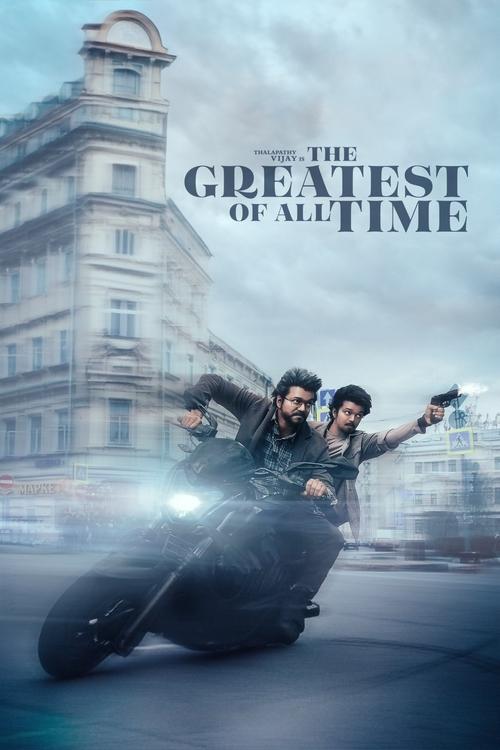


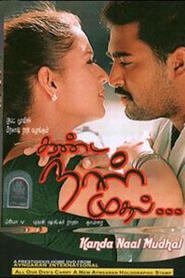
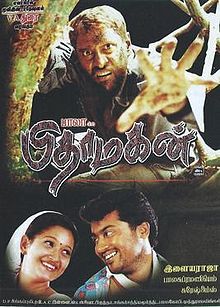
Collaboration Network
The Constellation
Top 10 most-paired collaborators. Bubble size and line thickness reflect how many films they share with Laila.
Career Analytics
Genre Breakdown
Language Distribution
Films by Decade
Top Co-Actors
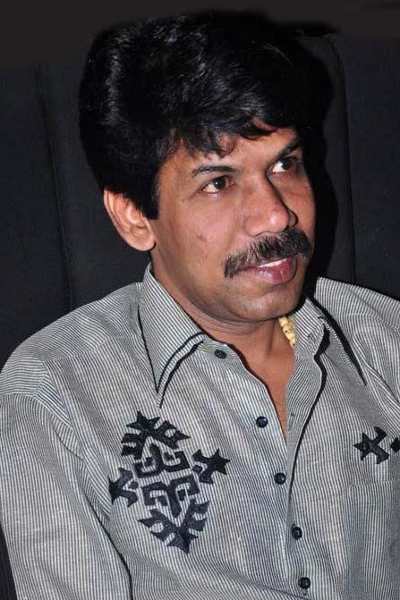
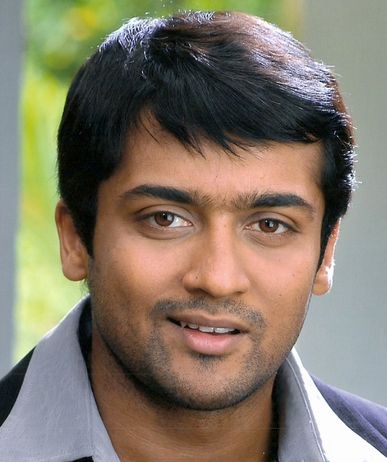
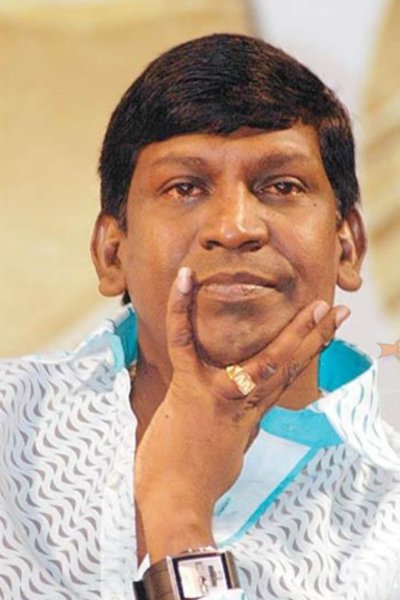
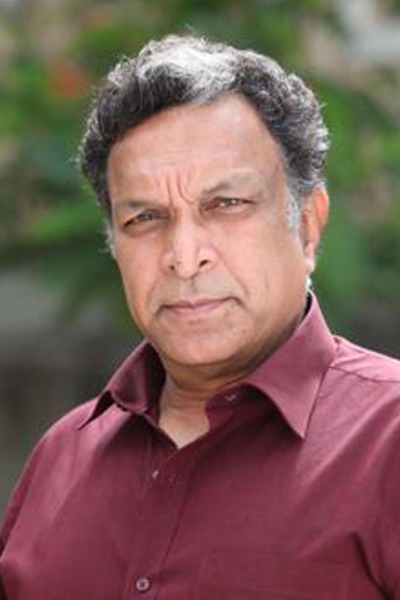
See all →Laila has worked most frequently with Bala (2 films), Vivek (4 films), Suriya (4 films), Vadivelu (3 films), and Nassar (3 films).




Did You Know?
Laila made her acting debut in the 1998 Telugu film 'Pelli Chesukundam' directed by Muthyala Subbaiah.
She won the Tamil Nadu State Film Award for Best Actress for her performance in 'Nandha' (2001).
She received the Filmfare Award for Best Actress – Tamil for her role in 'Pithamagan' (2003).
She is known for her frequent collaborations with director Bala, appearing in his films 'Nandha', 'Pithamagan', and 'Dheena'.
She took a break from acting after her marriage in 2006 and returned to films in 2017.
Legacy & Influence
Laila, entering the South Indian film industry in the late 1990s, carved a distinct niche as an actress of remarkable versatility and emotional depth. Her career trajectory is defined by a bold transition from early commercial roles to performances in critically acclaimed, often intense, auteur-driven cinema. While she achieved significant popularity in romantic and glamorous parts in Telugu and Tamil films, her legacy is most firmly anchored in her collaborations with director Bala. In 'Nandha' (2001) and 'Pithamagan' (2003), she delivered raw, powerful performances that broke from conventional heroine archetypes, portraying characters with resilience and profound vulnerability. Her role as Manju in 'Pithamagan', opposite Vikram, is particularly noted for its gritty realism and earned her major critical recognition. This demonstrated her ability to excel in hard-hitting, dramatic genres, influencing perceptions of what leading actresses in mainstream South Indian cinema could undertake. Beyond these landmark films, Laila maintained a successful pan-Indian career across five languages, showcasing her adaptability and wide appeal. Her filmography includes notable commercial successes like 'Dheena' (2001), which cemented her star status. Her contribution lies in bridging the gap between mass commercial entertainment and serious art cinema, proving that an actress could command both spaces with equal credibility. She paved the way for a more performance-oriented approach for heroines in commercial setups and remains a respected figure for her choice of challenging roles during a pivotal era in the 2000s.