Sendhilnathan
Sendhilnathan is an Indian director, best known for Tamil cinema. Sendhilnathan began their career in 1990 and has been a prominent figure in the industry for over 36 years. With 30 credits to their name, Sendhilnathan remains one of the most prolific and celebrated talents in the industry. Sendhilnathan is one of the most closely watched talents of their generation, with a rapidly growing body of acclaimed work.
- Born
- Age
- 68
Biography
Senthilnathan Jambulingam is a Tamil film director, son of veteran director Jambulingam, who made his debut with the blockbuster Poonthotta Kaavalkaaran (1988). He directed over 25 Tamil films including Periya Idathu Pillai (1990) starring Arjun and Kanaka, and Thambi Durai (1997) with music by Ilaiyaraaja. He trained as assistant director under S. A. Chandrasekhar for approximately seven years before turning director, and worked primarily in action-masala and family drama genres collaborating with stars such as Vijayakanth, Arjun, and Prabhu. In the 2000s he transitioned to Tamil television, directing the serial Rudra (2009–2010) on Zee Tamizh.
Career Milestones
Directorial debut with Poonthotta Kaavalkaaran
Directed Periya Idathu Pillai starring Arjun and Kanaka
Directed Thambi Durai, an action drama of brotherhood
View film →Sendhilnathan by the Numbers
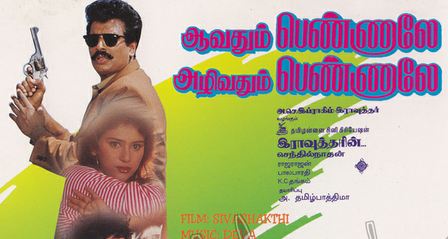
If you watched every Sendhilnathan film back-to-back, you'd be at it for roughly 21 hours. Most-paired with Sarath Kumar — 2 films together.
Filmography
See all 30 credits →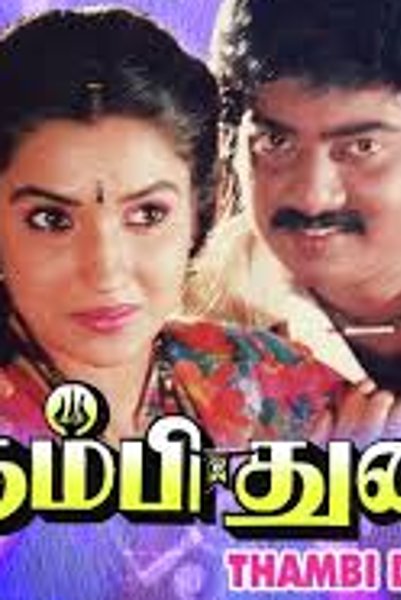

Collaboration Network
The Constellation
Top 5 most-paired collaborators. Bubble size and line thickness reflect how many films they share with Sendhilnathan.
Career Analytics
Language Distribution
Films by Decade
Top Co-Actors
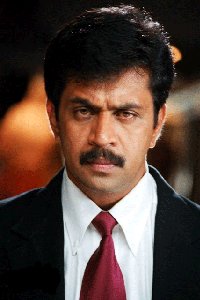
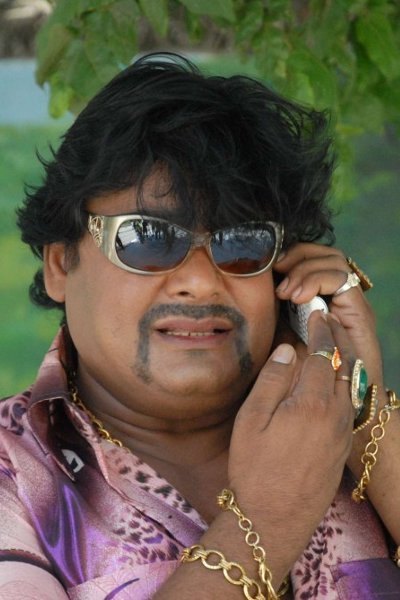
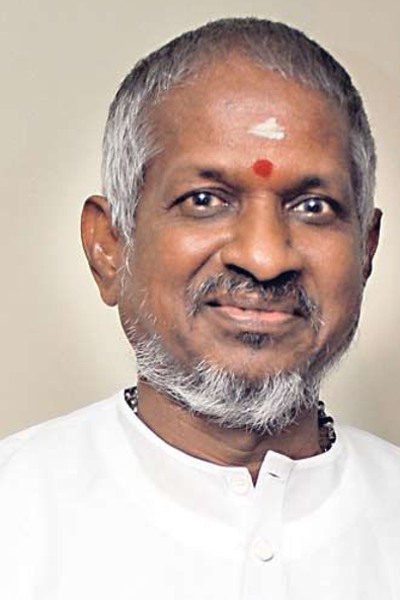
See all →Sendhilnathan has worked most frequently with Sarath Kumar (2 films), Arjun (2 films), Mansoor Ali Khan (2 films), Ilayaraja (2 films), and Sankar Ganesh (2 films).

Legacy & Influence
Sendhilnathan is a respected sound designer and audio engineer in the Indian film industry, particularly within the Tamil and broader South Indian cinema landscape. His career trajectory is defined by a meticulous, technology-forward approach to sound, elevating the auditory experience in films from a technical craft to a key narrative component. Emerging during a period when Indian cinema was increasingly embracing sophisticated post-production techniques, Sendhilnathan's work contributed significantly to this technical renaissance. He is often associated with high-profile, technically ambitious projects, collaborating with leading directors and production houses known for their visual and auditory spectacle. His contribution lies in creating immersive and detailed soundscapes—from the subtle ambient noises that build a scene's realism to the powerful, layered effects in action sequences and fantasy genres. This work has been crucial in matching the evolving visual grandeur of Indian films with equally compelling sound, thereby enhancing overall production value and audience immersion. While not a household name like actors or directors, his influence is deeply felt within the industry among technicians and filmmakers who recognize the critical role of sound design. He has helped professionalize and spotlight the sound department, inspiring a generation of audio engineers to view sound design as a creative, integral part of filmmaking rather than a purely post-production necessity. His career exemplifies the vital, though often unsung, contribution of technical artists in shaping the modern cinematic experience in India.