K. S. Sethumadhavan
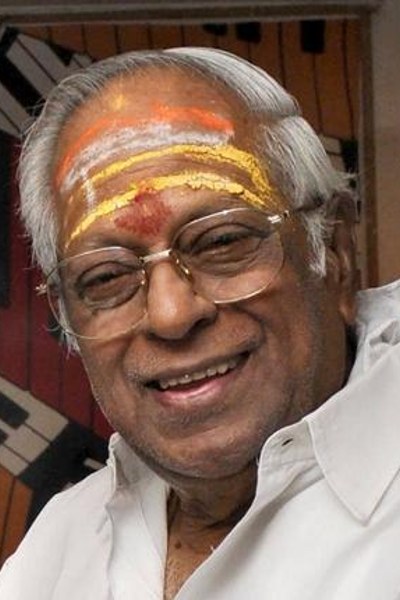
K. S. Sethumadhavan is an Indian director, best known for Tamil cinema. K. S. Sethumadhavan began their career in 1968 and has been a prominent figure in the industry for over 58 years. With 30 credits to their name and an average audience rating of 6.4, K. S. Sethumadhavan remains one of the most prolific and celebrated talents in the industry. Spanning 50+ years, K. S. Sethumadhavan's career remains one of the longest and most celebrated in Tamil cinema.
- Born
- Age
- 95
Career Milestones
Feature film debut as director
Directed Julie, a major Bollywood crossover hit
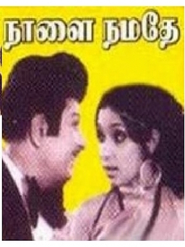
Directed Naalai Namadhe starring MGR
View film →Directed Nammavar, critically acclaimed Tamil film
View film →Awarded J.C. Daniel Award for lifetime contribution to Malayalam cinema
Defining Moments
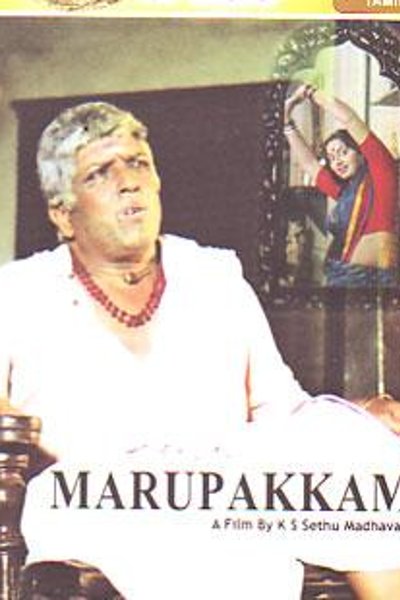
The portrayal of a woman's resilience against social oppression, building to her defiant final act
One of his most celebrated Malayalam films, widely credited with advancing the social-realist strand of Malayalam cinema and establishing Sethumadhavan as a director who championed female-centred narratives decades before it became mainstream
The reunion climax of three separated brothers, culminating in the unmasking of the childhood killer
Sethumadhavan's handling of this emotional reunion sequence — an adaptation of Yaadon Ki Baaraat — showcased his ability to blend mass-entertainer spectacle with genuine emotional resonance, and the film became a major commercial success with MGR in a dual role
View film →The Tamil-language climax sequence depicting communal harmony and family sacrifice
Won the National Film Award for Best Feature Film in Tamil; the film's emotionally charged finale is cited in Tamil film criticism as a masterclass in restrained direction, marking Sethumadhavan's return to Tamil cinema after years in Malayalam
Nagesh's climactic performance as the reformed villain — a tragicomic role that earned him the National Award for Best Supporting Actor
Sethumadhavan's direction of Nagesh in this film is considered one of Indian cinema's finest examples of coaxing a career-best performance from a comedic actor in a serious dramatic role; the film won three National Film Awards largely on the strength of this collaboration
View film →The lecture-hall confrontation scenes where the professor-protagonist challenges institutional corruption
Kamal Haasan's performance in these sequences, guided by Sethumadhavan, became iconic in Tamil cinema for depicting an idealistic academic fighting systemic rot — the scenes are frequently quoted in discussions of socially conscious Tamil films of the 1990s
View film →K. S. Sethumadhavan by the Numbers
If you watched every K. S. Sethumadhavan film back-to-back, you'd be at it for roughly 16 hours. Most-paired with Nagesh — 4 films together.
Filmography
See all 30 credits →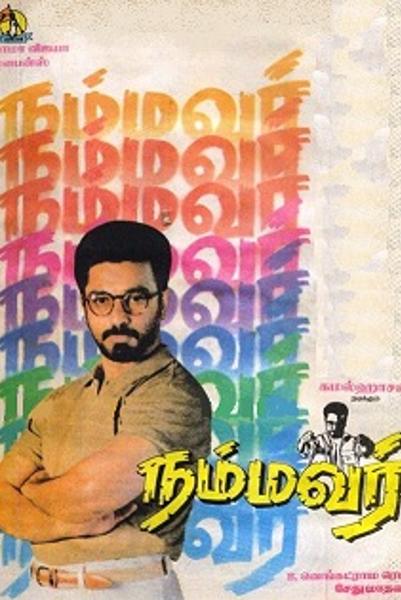
Collaboration Network
The Constellation
Top 6 most-paired collaborators. Bubble size and line thickness reflect how many films they share with K. S. Sethumadhavan.
Career Analytics
Language Distribution
Films by Decade
Top Co-Actors
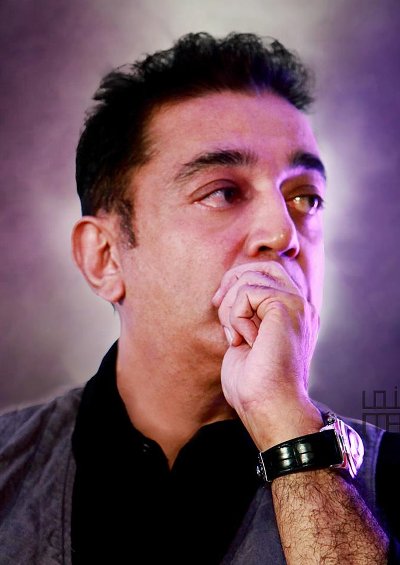
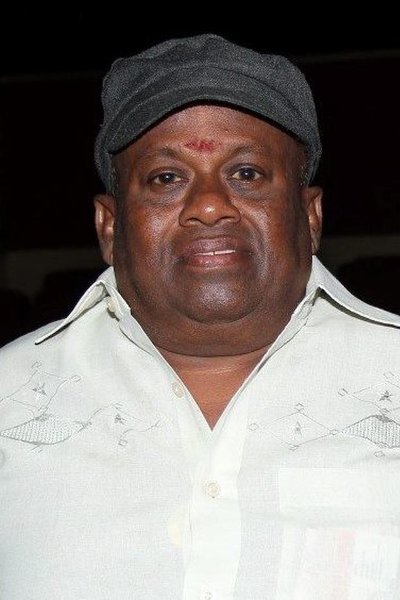
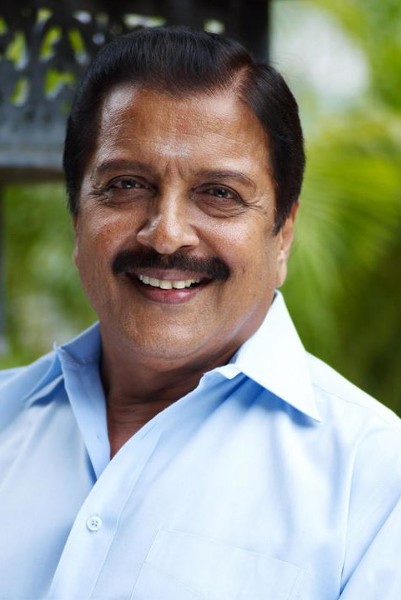
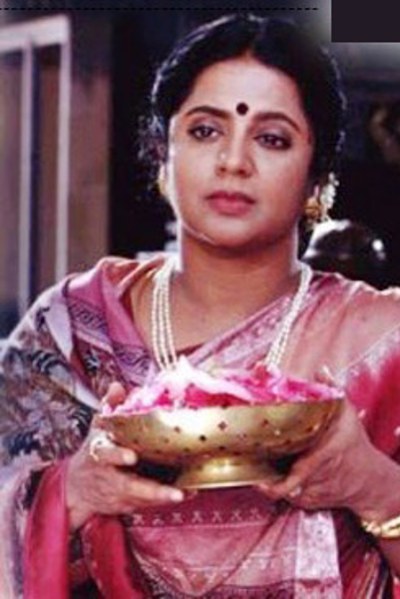
See all →K. S. Sethumadhavan has worked most frequently with Nagesh (4 films), Kamal Haasan (2 films), Senthil (2 films), Sivakumar (2 films), and Srividya (2 films).
Did You Know?
K. S. Sethumadhavan is a highly acclaimed Indian film director, screenwriter, and producer, primarily working in Malayalam cinema.
He is a recipient of the Padma Shri, India's fourth-highest civilian award, which he received in 1998.
He has won the National Film Award for Best Feature Film in Malayalam multiple times, including for films like 'Aranazhika Neram' and 'Oppol'.
Sethumadhavan served as the Chairman of the Kerala State Chalachitra Academy, the state's film academy.
He is known for his socially relevant and realistic films that often addressed contemporary issues in Kerala society.
Legacy & Influence
K. S. Sethumadhavan is a highly respected Indian film director, screenwriter, and producer, primarily associated with Malayalam cinema, with a prolific career spanning over five decades from the 1960s onwards. He is celebrated as one of the most successful and influential directors in the history of Malayalam film, known for his exceptional craftsmanship, strong narrative sense, and ability to handle diverse genres with equal finesse. His career trajectory began with his directorial debut, 'Jnanasundari' (1961), but it was with socially conscious and literary adaptations that he carved a distinct niche. A hallmark of his work is his successful and sensitive adaptations of major literary works by renowned Malayalam authors like Thakazhi Sivasankara Pillai, M. T. Vasudevan Nair, and P. Kesavadev, bringing classic literature to a wider cinematic audience. Films like 'Olavum Theeravum' (1970), based on M. T.'s work, and 'Aranazhika Neram' (1970) are considered landmarks. He demonstrated remarkable versatility, directing critically acclaimed social dramas ('Achanum Bappayum', 'Kadalpal'), poignant family narratives ('Oppol'), thrilling suspense dramas ('Yakshi'), and even successful mainstream entertainers. His film 'Aranazhika Neram' is notably credited with introducing the first full-fledged flashback technique in Malayalam cinema. Sethumadhavan's cinema was characterized by strong technical proficiency, meticulous attention to detail in art direction and costume, and a focus on realistic portrayal of characters and social milieus. He had a long and fruitful collaboration with iconic actors like Prem Nazir and Sathyan, directing Prem Nazir in a record number of films, which became a legendary actor-director partnership. His influence extends to shaping the careers of numerous technicians and actors and setting high standards for narrative clarity and production values. While he worked across Indian languages including Tamil and Hindi, his deepest impact remains in Malayalam, where his body of work forms a crucial bridge between the literary roots and the cinematic evolution of the industry. He is regarded as a stalwart who maintained artistic integrity while achieving commercial success, leaving an indelible mark on the craft of direction.