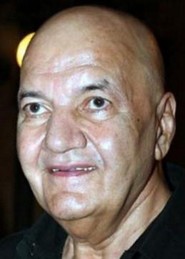
Prem Chopra
Prem Chopra is an Indian actor, best known for Tamil cinema. Prem Chopra began their career in 1980 and has been a prominent figure in the industry for over 46 years. With over 150 credits to their name, Prem Chopra remains one of the most prolific and celebrated talents in the industry. Prem Chopra's influence on Tamil cinema is generational — their work continues to define the standard for the industry.
- Born
- Age
- 90
Biography
Prem Chopra is a Hindi cinema actor born on 23 September 1935 in Lahore, primarily known for portraying memorable villainous characters in over 380 films across six decades. His career-defining roles came in films such as Upkar (1967), Bobby (1973), and Kranti (1981), with his self-referential dialogue 'Prem naam hai mera, Prem Chopra' from Bobby becoming one of Hindi cinema's most quoted lines. He demonstrated range beyond villainy in ensemble comedies and family dramas, appearing alongside Govinda and Karisma Kapoor in Raja Babu (1994) and with Mithun Chakraborty in Ghar Jamai (1992). He continued working into the 2010s with appearances in Delhi-6 (2009) and Challo Driver (2012), and authored his autobiography Prem Naam Hai Mera, Prem Chopra in 2014.
Career Milestones
Hindi film debut in Dharamputra
Iconic villain role delivering the legendary dialogue 'Prem naam hai mera, Prem Chopra' which became one of Hindi cinema's most quoted lines
Milestone 300th film appearance, cementing status as one of Hindi cinema's most prolific character actors
Blockbuster comedy villain role alongside Govinda and Karisma Kapoor in a massive commercial hit
View film →Return to mainstream cinema in Rakeysh Omprakash Mehra's critically acclaimed film, demonstrating continued relevance across six decades
View film →Iconic Roles
Bobby
Iconic villain role that gave rise to the legendary self-introduction dialogue 'Prem naam hai mera… Prem Chopra', one of the most quoted lines in Hindi film history.
Upkar
Early career-defining antagonist role in Manoj Kumar's patriotic blockbuster that established Prem Chopra as a top Bollywood villain.
Do Raaste
One of his celebrated villain roles alongside Rajesh Khanna; part of a 19-film collaboration where 15 were box office hits.
Kati Patang
Menacing antagonist role remembered for his manipulative charm, cementing his reputation as Bollywood's most suave villain.
Delhi-6
Later-career supporting role in Rakeysh Omprakash Mehra's acclaimed film, demonstrating his continued relevance across decades.
Defining Moments
Plays a morally grey supporting role as freedom fighter — a rare departure from pure villainy that showed his dramatic range alongside the patriotic narrative.
Director Manoj Kumar cast him in a nuanced role that proved he could transcend the villain type; this performance opened doors to more complex antagonist parts throughout his career.
Plays the treacherous antagonist Malang Singh who betrays the protagonist despite outward friendship — a role that established his signature style of manipulation masked by superficial sweetness.
One of his early landmark villain performances; defined the 'smiling traitor' archetype he would perfect across dozens of films in the late 1960s–70s.
Portrays the menacing villain whose pursuit of the female lead drives the film's central thriller tension, delivering cold, calculating dialogue that made audiences genuinely fear him.
A peak-era performance that demonstrated his ability to project menace without melodrama, earning him widespread recognition as Bollywood's most effective antagonist of the era.
Delivers the iconic self-introduction 'Prem naam hai mera, Prem Chopra' — a line so embedded in Indian pop culture it became his lifelong identity and is still quoted and parodied today.
The most quoted villain line in Bollywood history; cemented Chopra as the definitive charming villain and turned a throwaway introduction into a cultural catchphrase spanning generations.
Appears as a corrupt elder figure in this multi-generational drama, bringing gravitas and menace to a role that connected his golden-era villain persona to a new generation of audiences.
Demonstrated his enduring screen presence and ability to command attention in ensemble films decades after his peak, confirming his status as a living legend of Indian cinema.
View film →Prem Chopra by the Numbers
If you watched every Prem Chopra film back-to-back, you'd be at it for roughly 14 days and 0h. Most-paired with Gulshan Grover — 11 films together.
Filmography
See all 150 credits →
Collaboration Network
The Constellation
Top 10 most-paired collaborators. Bubble size and line thickness reflect how many films they share with Prem Chopra.
Career Analytics
Genre Breakdown
Language Distribution
Films by Decade
Top Co-Actors
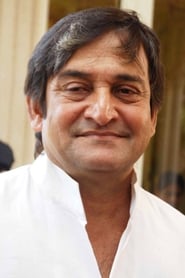
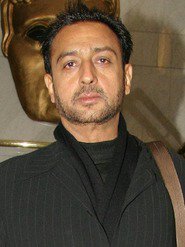
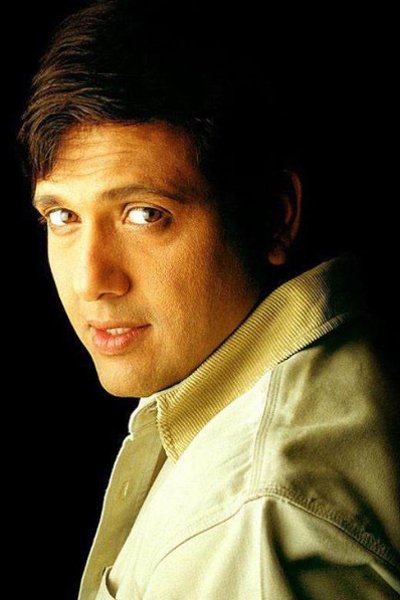
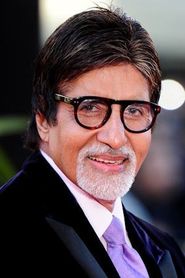
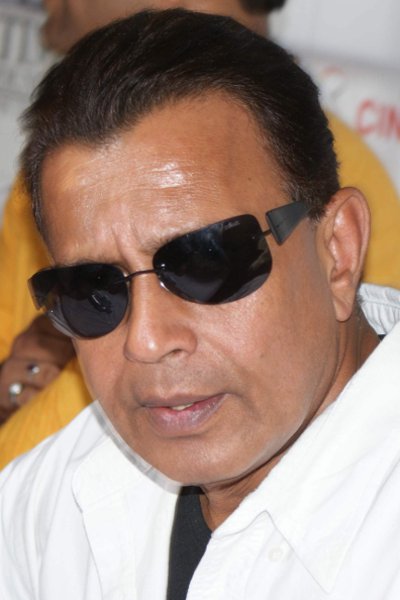
See all →Prem Chopra has worked most frequently with Mahesh Manjrekar (3 films), T. L. V. Prasad (2 films), K.C. Bokadia (2 films), Harmesh Malhotra (2 films), and T.L.V. Prasad (2 films).


Did You Know?
Prem Chopra is known for playing villainous roles in over 380 films, earning the nickname 'The Bad Man of Bollywood'.
He made his Hindi film debut in the 1960 film 'Chaudhary Karnail Singh'.
He won the Filmfare Lifetime Achievement Award in 2013 for his contributions to Indian cinema.
He is the father of actress Punita Chopra.
He studied at the Government College in Lahore and later at Panjab University, Chandigarh.
Legacy & Influence
Prem Chopra's career in Indian cinema is a masterclass in character acting, spanning over six decades and more than 400 films. While he debuted in the early 1960s, his true legacy was cemented in the 1970s and 80s, where he became the archetypal villain for a generation. His contribution lies not in playing one-dimensional evil, but in infusing his antagonists with a distinctive blend of suave menace, sardonic humor, and memorable dialogue delivery. This made him a formidable and compelling counterpoint to the era's leading heroes. Films like 'Do Raaste' (1969) and 'Kati Patang' (1971) showcased his early prowess, but it was his iconic line, "Prem naam hai mera, Prem Chopra," from 'Bobby' (1973) that entered the cultural lexicon, demonstrating how a villain could leave an indelible mark. His career trajectory shows remarkable versatility; he seamlessly transitioned from outright villainy in films like 'Kranti' to more nuanced, sometimes comedic, negative or character roles in the 80s and beyond, as seen in 'Souten' and 'Nagina'. This adaptability allowed him to remain relevant across changing cinematic trends. His deep, resonant voice and commanding screen presence ensured he was never a mere backdrop but a vital narrative force. Prem Chopra's greatest contribution is in elevating the importance and craft of the supporting actor, proving that a powerful performance could define a film's conflict and drama as much as the protagonist's heroism. He paved the way for future character actors to receive recognition and respect, moving beyond typecasting to create a gallery of unforgettable characters that are integral to the fabric of classic Bollywood cinema.