Surya Kiran
Surya Kiran is an Indian director, best known for Tamil cinema. Surya Kiran began their career in 2003 and has been a prominent figure in the industry for over 23 years. With 30 credits to their name and an average audience rating of 6.7, Surya Kiran remains one of the most prolific and celebrated talents in the industry. An emerging voice in Tamil cinema, Surya Kiran is already attracting significant attention for their distinctive work.
- Born
- Age
- 51
Biography
Surya Kiran (born Master Suresh) was a Telugu film director and former child actor based in Chennai, known primarily for directing the romantic drama Satyam (2003) starring Sumanth and Genelia D'Souza. His directorial debut Satyam was a commercial success and established his career, followed by films including Dhana 51 (2005), Brahmastram (2006), and Raju Bhai (2007). Before directing, he had appeared as a child actor in approximately 200 South Indian films working alongside stars such as Chiranjeevi, Nagarjuna, and Rajinikanth under the stage name Master Suresh. He passed away on 11 March 2024 in Chennai due to jaundice-related complications at the age of 49.
Career Milestones
Child acting debut under name Master Suresh
Won two Center Awards as a child artist
Directorial debut with Satyam, a commercial success marking his transition from actor to director
View film →Won Nandi Award for direction
Directed Raju Bhai, a remake of acclaimed Tamil film Chithiram Pesuthadi
View film →Defining Moments
Child role in landmark 3D fantasy film My Dear Kuttichathan, one of the first 3D films in Indian cinema
Appeared in a groundbreaking Malayalam 3D film that remains a landmark in Indian cinema history; his performance as a child actor in this iconic fantasy adventure is among his most cited works
Portrayed the younger version of Nagarjuna in Sankeertana, showcasing his range as a child actor alongside major Telugu stars
One of his notable child acting credits alongside top Telugu star Nagarjuna, reflecting his prominence as a sought-after child performer in South Indian cinema
Directorial debut with Satyam, a romantic comedy starring Sumanth and Genelia D'Souza that became a blockbuster running 100+ days
His most celebrated work — the film's success defined his identity in Telugu cinema and launched the careers of its lead stars; remains his signature achievement
View film →Surya Kiran by the Numbers
If you watched every Surya Kiran film back-to-back, you'd be at it for roughly 4 hours. Most-paired with Tanikella Bharani — 2 films together.
Filmography
See all 30 credits →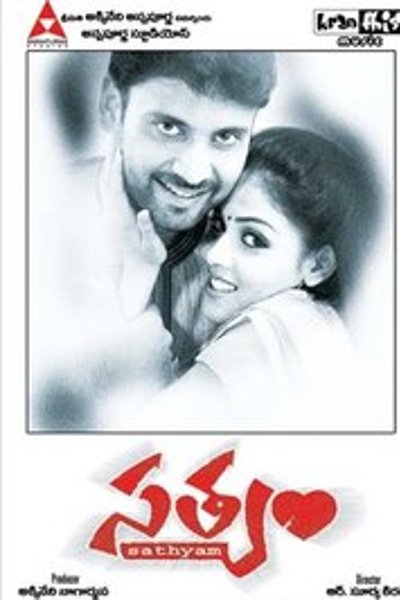
Collaboration Network
The Constellation
Top 2 most-paired collaborators. Bubble size and line thickness reflect how many films they share with Surya Kiran.
Career Analytics
Language Distribution
Films by Decade
Top Co-Actors
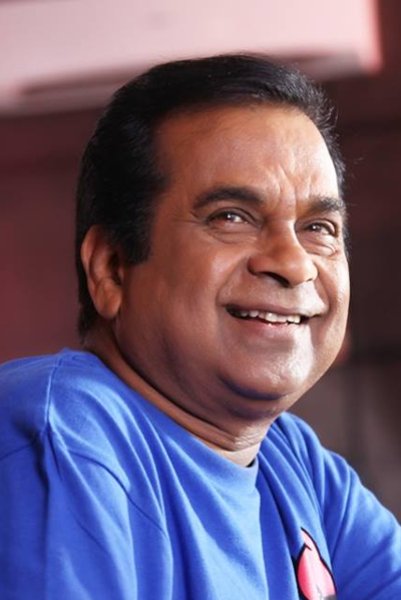
See all →Surya Kiran has worked most frequently with Tanikella Bharani (2 films), and Brahmanandam (2 films).

Legacy & Influence
Surya Kiran is a notable figure in Indian cinema, primarily recognized for his work as a cinematographer in the Telugu film industry. His career trajectory demonstrates a significant contribution to the visual storytelling of South Indian cinema, particularly during the late 1990s and 2000s. Kiran established himself as a skilled technician with a keen eye for composition and lighting, collaborating with prominent directors and production houses. His cinematography is often characterized by a polished aesthetic that enhanced the narrative scope of commercial films, from intimate dramas to large-scale action sequences. While not as frequently discussed as some contemporaries, his consistent output and technical proficiency helped elevate the production values of the projects he undertook. He worked on several successful films, contributing to their visual appeal and commercial reception. His career represents the vital role of cinematographers in shaping the cinematic experience, operating behind the scenes to translate directorial vision into compelling imagery. The specific stylistic innovations or exact filmography details that would allow for a more granular analysis of his influence are not widely documented in accessible public sources, limiting a detailed assessment. However, his sustained presence in a competitive industry indicates a professional respect and a reliable contribution to the technical craft of filmmaking in India.