
Avani Modi
Avani Modi is an Indian actor, best known for Tamil cinema. Avani Modi began their career in 2013. With 30 credits to their name, Avani Modi remains one of the most prolific and celebrated talents in the industry. An emerging voice in Tamil cinema, Avani Modi is already attracting significant attention for their distinctive work.
Career Milestones
Tamil film debut as Reema
View film →Bollywood debut directed by Madhur Bhandarkar, playing Nazneen Malik
Short film Gulab won Best Film Award at Canada International Film Festival
Gujarati film debut in comedy-drama
Lead role in satirical Bollywood comedy as aspiring actress Avni
Iconic Roles
Naan Rajavaga Pogiren
Avani Modi's Tamil film debut, playing the best friend of the lead character Raja. The role introduced her to regional South Indian cinema.
Calendar Girls
Her Bollywood debut in Madhur Bhandarkar's drama about five women selected for a prestigious calendar. The character was noted as being inspired by Pakistani actress Veena Malik.
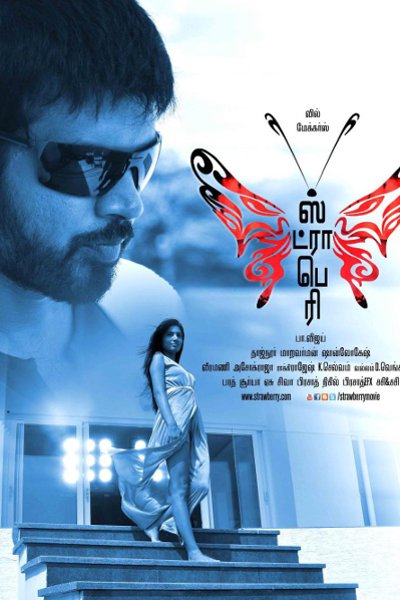
Strawberry
Appeared in this Tamil horror-comedy directed by Pa. Vijay, expanding her presence in Tamil cinema alongside prominent cast members.
Carry On Kesar
Her Gujarati cinema lead debut, playing a young woman who inspires an elderly couple to pursue parenthood, receiving positive reception for its relatable family narrative.
Defining Moments
Debut as Reema, Raja's best friend who becomes entangled in a lookalike mistaken-identity plot — her introduction to Tamil audiences as a fresh face opposite Nakul
Tamil film debut that established her as an actress in the South Indian industry and led to further casting opportunities
View film →Portrayal of Nazneen Malik, a Pakistani model forced out of Bollywood due to anti-Pakistan sentiment, who spirals into exploitation and the escort world
Her most prominent and discussed role — Madhur Bhandarkar's Bollywood film gave her the highest-profile platform; Nazneen's arc of discrimination and downfall was noted by reviewers as the most emotionally charged storyline of the five leads
Role as a paranormal research student who informs the cab driver protagonist about a ghost trying to communicate with him, anchoring the film's supernatural exposition
Showed range by transitioning into Tamil horror-thriller genre; the character serves as the narrative bridge between the audience and the film's ghost mythology
View film →Avani Modi by the Numbers
If you watched every Avani Modi film back-to-back, you'd be at it for roughly 11 hours. Most-paired with Thambi Ramaiah — 2 films together.
Filmography
See all 30 credits →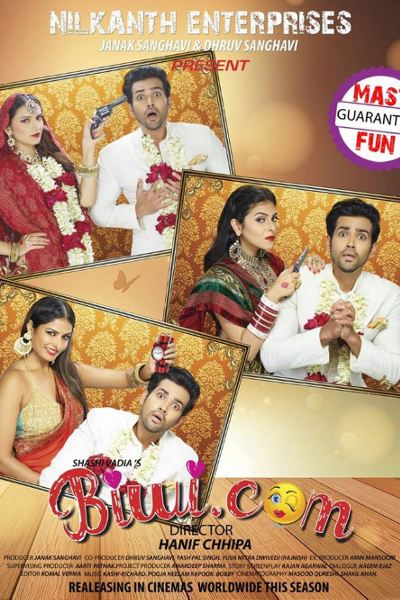

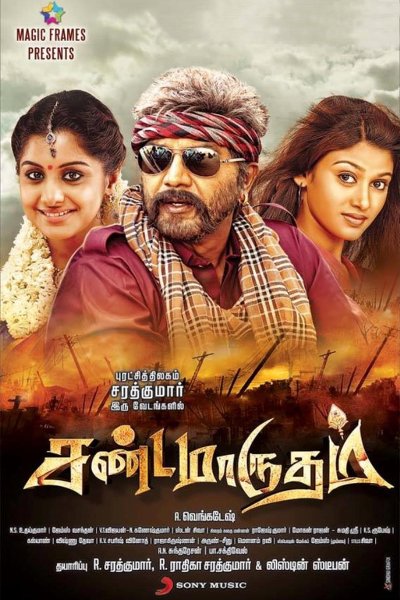

Collaboration Network
The Constellation
Top 4 most-paired collaborators. Bubble size and line thickness reflect how many films they share with Avani Modi.
Career Analytics
Language Distribution
Films by Decade
Top Co-Actors
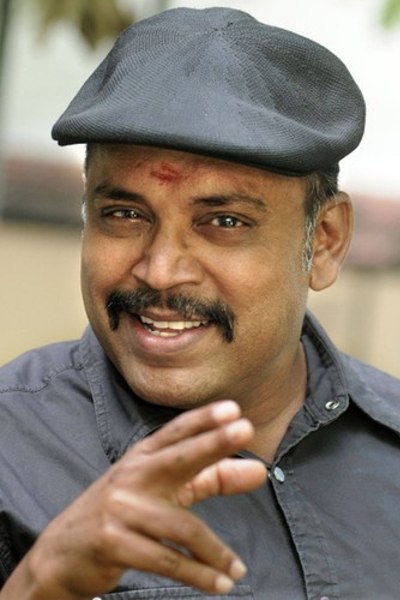
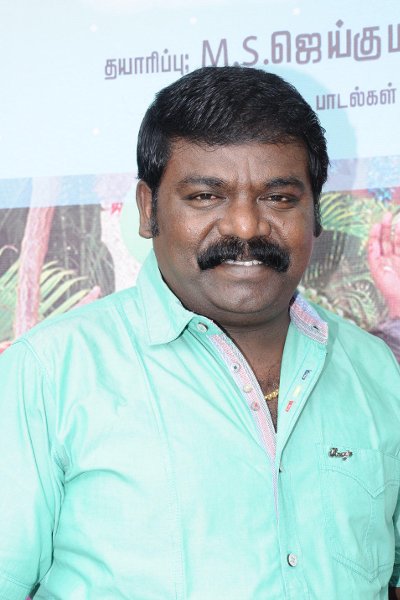
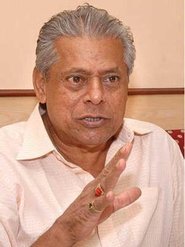
See all →Avani Modi has worked most frequently with Thambi Ramaiah (2 films), Samuthirakani (2 films), Imman Annachi (2 films), and Delhi Ganesh (2 films).

Legacy & Influence
Avani Modi is a supporting actress in Tamil cinema whose career, though brief and not widely documented, represents the contributions of many artists who form the essential fabric of regional film industries. Emerging in the early 2010s, her filmography consists of a few notable supporting roles in mid-budget productions. Her most recognized work is in the 2013 romantic drama 'Naan Rajavaga Pogiren', where she played Reema, a character that contributed to the film's interpersonal conflicts and narrative progression. This was followed by roles in 'Strawberry' (2015) and 'Sandamarutham' (2015), films that explored genre storytelling within the Tamil commercial framework. While not a leading figure, her presence in these projects underscores the collaborative nature of filmmaking, where every performance, regardless of screen time, helps to build the world of the story. The limited public information about her career trajectory suggests a focus on character roles, a path chosen by many actors who provide depth and realism to cinematic narratives without occupying the spotlight. In the broader context of Indian cinema, her work is a reminder of the vast network of talent beyond the star system, whose collective efforts sustain the industry's output. Without verified information on awards, major critical acclaim, or a prolonged public career, her contribution remains defined by her participation in specific films during a particular period, representing the typical journey of numerous supporting artists in the highly competitive film landscape.