Anshu
Anshu is an Indian actor, best known for Tamil cinema. Anshu began their career in 2002. With 30 credits to their name and an average audience rating of 6.4, Anshu remains one of the most prolific and celebrated talents in the industry. An emerging voice in Tamil cinema, Anshu is already attracting significant attention for their distinctive work.
Biography
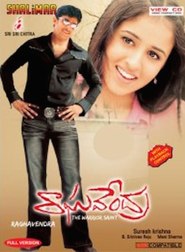
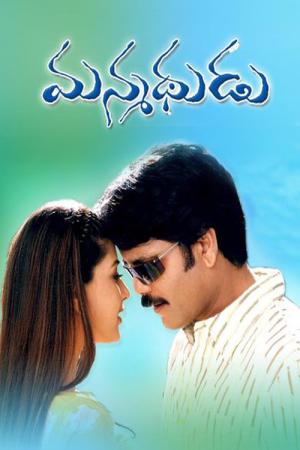
Anshu Ambani (later Anshu Saggar) is a British Indian actress who worked primarily in Telugu and Tamil cinema in the early 2000s, best known for her role opposite Nagarjuna in the blockbuster romantic comedy Manmadhudu (2002). She received a Filmfare Award nomination for Best Supporting Actress – Telugu for Manmadhudu, and went on to star opposite Prabhas in Raghavendra (2003) and Prashanth in the Tamil film Jai (2004). Born and raised in London, she brought a distinct contemporary look to mainstream Telugu cinema during her active years. After retiring from films, she worked as a psychologist before making a comeback appearance in Mazaka (2024) starring Sundeep Kishan.
Career Milestones
Film debut in Telugu cinema as Maheswari
View film →Filmfare Award nomination for Best Supporting Actress (Telugu)
View film →Appeared opposite Prabhas in Raghavendra as Sirisha
View film →Tamil film debut opposite Prashanth as Nandhini
View film →Comeback to acting after 21-year hiatus
Iconic Roles
Manmadhudu
Anshu's breakthrough role as Abhiram's first love whose betrayal becomes the emotional catalyst driving the entire film's plot. She was nominated for the Filmfare Award for Best Supporting Actress – Telugu for this performance.
Raghavendra
Featured opposite Prabhas in one of his early films, marking one of Anshu's prominent lead roles in Telugu cinema.
Jai
Her Tamil film debut role, demonstrating her crossover appeal between Telugu and Tamil cinema industries.
Defining Moments
Supporting role as Maheswari in the blockbuster romantic comedy, earning a Filmfare Award nomination for Best Supporting Actress - Telugu and appearing in the iconic song 'Gundello Emundho'
Her debut performance opposite Nagarjuna in one of Telugu cinema's biggest hits of the era earned critical recognition and established her presence in the industry
View film →Tragic stabbing death scene as Sirisha by the villain Ankineedu, which becomes the emotional catalyst for the protagonist's entire arc
Her character's death opposite Prabhas (in one of his early films) is the pivotal narrative turning point that drives the hero from vengeance to spiritual resolve — a defining emotional anchor for the film
View film →Role as Nandhini in the Tamil action film alongside Vijay
Demonstrated her cross-industry appeal by transitioning from Telugu to Tamil cinema, working with a major star
View film →Anshu by the Numbers
If you watched every Anshu film back-to-back, you'd be at it for roughly 7 hours. Most-paired with Akkineni Nagarjuna — 2 films together.
Filmography
See all 30 credits →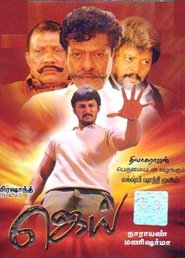
Collaboration Network
The Constellation
Top 2 most-paired collaborators. Bubble size and line thickness reflect how many films they share with Anshu.
Career Analytics
Language Distribution
Films by Decade
Top Co-Actors
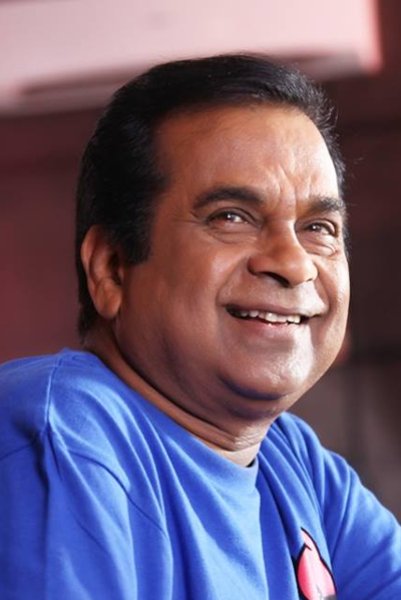
See all →Anshu has worked most frequently with Akkineni Nagarjuna (2 films), and Brahmanandam (2 films).

Legacy & Influence
Anshu is a Telugu actress whose career, though brief, is anchored by two notable performances in the early 2000s. Her debut in the romantic comedy 'Manmadhudu' (2002) opposite Nagarjuna was a significant entry. Portraying Maheswari, she delivered a charming and memorable performance that contributed to the film's commercial success and enduring popularity as a classic in the genre. The following year, she starred in the socio-fantasy film 'Raghavendra' (2003) alongside Mohan Babu, playing the role of Sirisha. Her work in these two films established her presence in Telugu cinema during that period. While her filmography is limited, the specific impact of these roles lies in their association with successful projects that remain part of the cinematic conversation for their respective genres. Her career trajectory reflects a focused, if short-lived, engagement with mainstream Telugu filmmaking at a particular moment, leaving a distinct impression through these key works without a prolonged filmography to expand upon. Her contribution is thus defined by quality over quantity, with her performances in these films ensuring her a place in the memory of audiences from that era.