Abhishek Chaubey
Abhishek Chaubey is an Indian director, best known for Tamil cinema. Abhishek Chaubey began their career in 2006 and has been a prominent figure in the industry for over 20 years. With 30 credits to their name and an average audience rating of 6.9, Abhishek Chaubey remains one of the most prolific and celebrated talents in the industry. Spanning 20+ years, Abhishek Chaubey's career remains one of the longest and most celebrated in Tamil cinema.
- Born
- Age
- 49
Biography
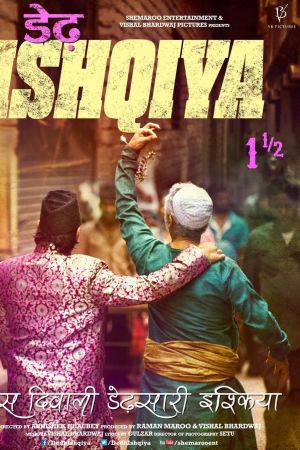
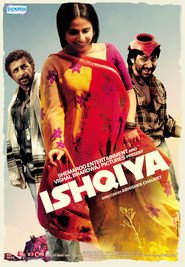
Abhishek Chaubey is a Hindi cinema director from Ayodhya, Uttar Pradesh, best known for helming gritty, noir-inflected films under the Vishal Bhardwaj production banner. He made his directorial debut with Ishqiya (2010), followed by Dedh Ishqiya (2014), and Udta Punjab (2016), a hard-hitting drama on Punjab's drug crisis that earned him a Filmfare Best Director nomination and won four Filmfare Awards including Best Actress for Alia Bhatt. His films are distinguished by a dark, literary sensibility rooted in rural and semi-urban India, often blending black comedy with social commentary — a style developed during his years as associate director and co-writer on Vishal Bhardwaj's Omkara (2006) and Kaminey (2009). His more recent work includes Sonchiriya (2019), which won the Filmfare Critics Award for Best Film, the Netflix anthology Ankahi Kahaniya (2021), and the Netflix series Killer Soup (2024).
Career Milestones
Co-wrote Vishal Bhardwaj's acclaimed Shakespeare adaptation, establishing him as a key creative collaborator in Hindi cinema
Directorial debut with dark comedy crime film
View film →Directed critically acclaimed film on Punjab drug epidemic, received multiple awards and national attention
View film →Produced debut film as producer, premiering at MAMI Mumbai Film Festival
Directed gritty dacoit drama set in Chambal, received strong critical reception
Defining Moments
Khaalujaan and Babban, caught mid-celebration after a theft, instantly transform from swaggering criminals to cowering, joke-telling sycophants at the feet of the real owner — escaping death through wit alone
Defines Chaubey's signature anti-hero archetype: morally compromised men who survive on cunning rather than courage. This scene established the darkly comic tone that runs through all his work.
View film →The coded intimacy between Begum Para (Madhuri Dixit) and Muniya (Huma Qureshi) — their relationship presented to the world as queen and helper, but Chaubey layers in visual and textual hints of a far deeper, romantic bond
One of Hindi cinema's earliest and most elegantly handled suggestions of a queer relationship between women. Discussed extensively in film criticism for its restraint and subversive undertone within a mainstream Bollywood context.
View film →The mushair (Urdu poetry gathering) sequences that recreate a vanishing cultural world — warm-toned, nostalgic, and deeply atmospheric — using real locations and period texture
Critics and cinephiles frequently cite these scenes as among the most authentic evocations of Lucknowi tehzeeb and adab in contemporary Hindi cinema, showcasing Chaubey's commitment to location-driven world-building over studio artifice.
View film →Tommy Singh confronts two young fans in jail who confess they injected heroin for the first time with his photo in front of them, followed by a haunting image of boys pressing their faces against the darkened windows of his car
The film's most emotionally devastating scene — it forces the protagonist (and the audience) to reckon with the real human cost of glorifying drug culture. Widely cited as the scene that gives Udta Punjab its moral spine and sets Tommy on his redemptive arc.
View film →Opening sequence: the film's title appears on a heroin pouch hurled across the Pakistan-India border, instantly plunging the audience into the drug epidemic without a single line of dialogue
A masterclass in economical, visceral storytelling. Frequently referenced by critics as one of Bollywood's most striking title sequences — it sets tone, theme, and geography in a single image.
View film →Abhishek Chaubey by the Numbers
If you watched every Abhishek Chaubey film back-to-back, you'd be at it for roughly 11 hours. Most-paired with Arshad Warsi — 2 films together.
Filmography
See all 30 credits →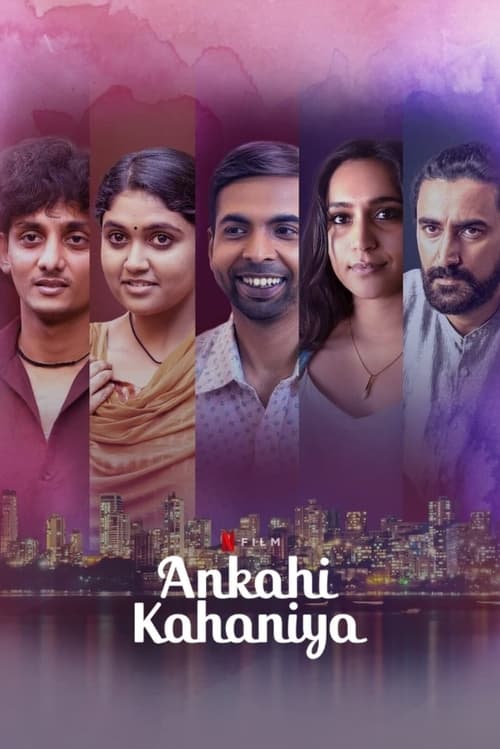

Collaboration Network
The Constellation
Top 2 most-paired collaborators. Bubble size and line thickness reflect how many films they share with Abhishek Chaubey.
Career Analytics
Genre Breakdown
Language Distribution
Films by Decade
Top Co-Actors
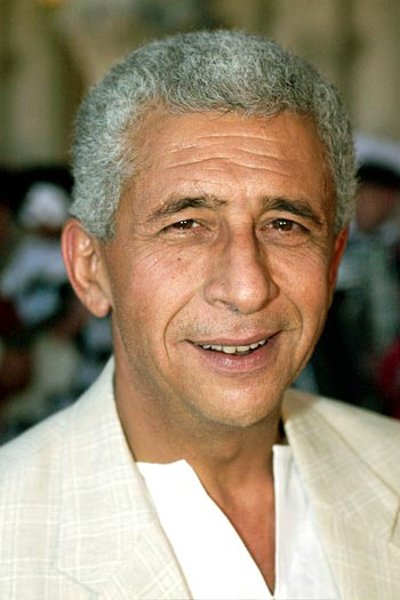
See all →Abhishek Chaubey has worked most frequently with Arshad Warsi (2 films), and Naseeruddin Shah (2 films).

Did You Know?
Abhishek Chaubey is an Indian film director and screenwriter known for his work in Hindi cinema.
He made his directorial debut with the film 'Ishqiya' in 2010.
He is a frequent collaborator with director Vishal Bhardwaj, having worked as an assistant director and writer on films like 'Omkara' and 'Kaminey'.
His film 'Udta Punjab' (2016) won the National Film Award for Best Screenplay (Dialogues).
He co-wrote the screenplay for the film 'Dedh Ishqiya' (2014), the sequel to his debut.
Legacy & Influence
Abhishek Chaubey is a prominent filmmaker in contemporary Indian cinema, recognized for his distinctive voice within the Hindi film industry. Emerging from his early association as an assistant director to Vishal Bhardwaj, Chaubey honed a style that blends gritty realism with genre storytelling, often set against specific regional milieus. His directorial debut, 'Ishqiya' (2010), co-written with Bhardwaj, was critically acclaimed for its subversion of the romantic thriller genre, featuring complex, morally ambiguous characters and sharp, earthy dialogue. This established his reputation for crafting narratives centered on flawed individuals operating on the fringes of society. He further solidified this with 'Dedh Ishqiya' (2014), a sequel that delved deeper into themes of poetry, deception, and desire. Chaubey's most significant contribution arguably came with 'Udta Punjab' (2016), a hard-hitting, controversial drama that examined the drug epidemic in Punjab. The film was noted for its bold storytelling, stylistic flourishes, and powerful performances, sparking national conversation and demonstrating cinema's potential to engage with urgent socio-political issues. His versatility is evident in the critically lauded 'Sonchiriya' (2019), a dacoit drama set in the Chambal valley. A box office failure but a critical darling, the film is celebrated for its austere realism, meticulous sound design, and profound exploration of caste, guilt, and redemption, cementing his status as an auteur unafraid of commercial risks for artistic integrity. His work extends to the streaming domain with the Amazon Prime series 'Mai' (2022) and the Netflix anthology 'Ray' (2021), showcasing his adaptability. Chaubey's filmography is characterized by a strong authorial stamp—focus on regional authenticity, morally complex protagonists, and a blending of genre conventions with serious thematic depth. He has played a key role in expanding the scope of mainstream Hindi cinema, proving that commercially viable films can possess substantial narrative and thematic sophistication. His influence is seen in a newer generation of filmmakers who are exploring hyper-local stories with global appeal, making him a pivotal figure in the evolution of the modern Indian auteur.