Nila Madhab Panda
Nila Madhab Panda is an Indian director, best known for Tamil cinema. Nila Madhab Panda began their career in 2011 and has been a prominent figure in the industry for over 15 years. With 30 credits to their name, Nila Madhab Panda remains one of the most prolific and celebrated talents in the industry. Spanning 10+ years, Nila Madhab Panda's career remains one of the longest and most celebrated in Tamil cinema.
- Born
- Age
- 52
Biography
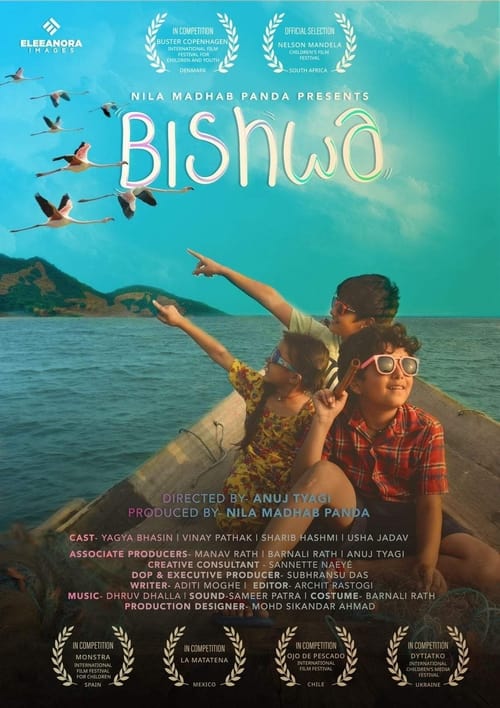
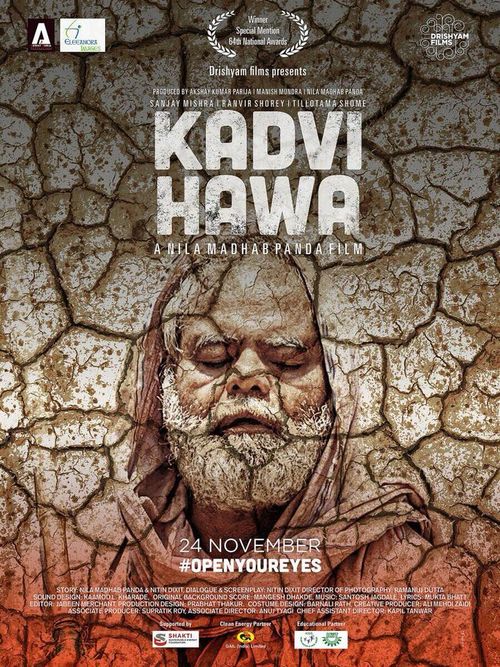
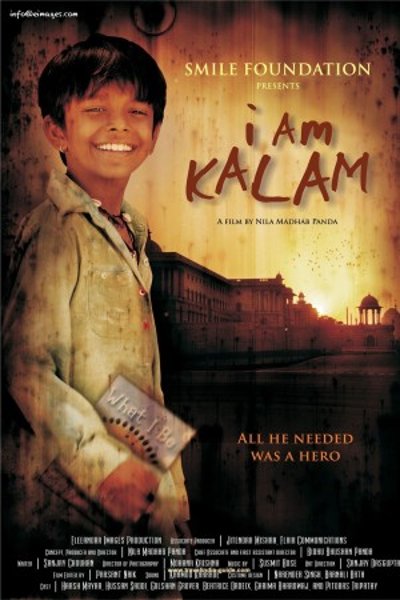
Nila Madhab Panda is an Odia-born Hindi film director, producer, and documentary filmmaker known for crafting socially conscious cinema that addresses issues such as child education, water scarcity, and climate change. His debut feature I Am Kalam (2011) won 34 international awards and a National Film Award, while Kadvi Hawa (2017) earned him another National Film Award; he was also awarded the Padma Shri in 2016. Panda's directorial style is marked by a recurring focus on marginalized communities — rural children, farmers, and the environment — grounding social commentary in intimate, character-driven narratives. His 2020 Odia-language film Kalira Atita won the National Award for Best Odia Film, and he expanded into streaming with the seven-episode Sony Liv series The Jengaburu Curse (2023).
Career Milestones
Feature film debut with I Am Kalam, winning 34 international awards
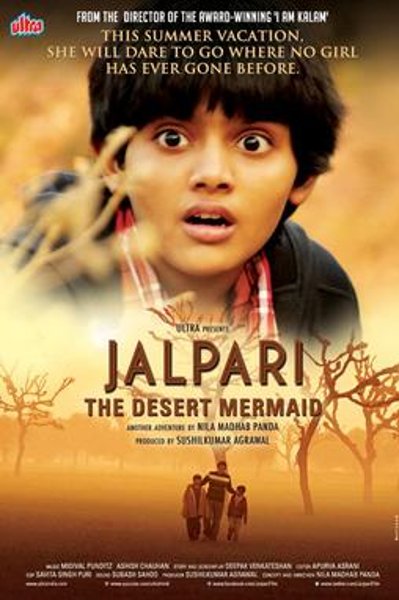
View film →Jalpari: The Desert Mermaid won MIP Junior award at Cannes
Awarded Padma Shri, India's fourth-highest civilian honour
Kadvi Hawa received National Film Award recognition as a landmark climate change film
Kalira Atita submitted as India's entry to the Academy Awards (Odia language)
Defining Moments
Chhotu mimicking APJ Abdul Kalam and declaring his dream to become a scientist despite being a roadside tea boy — the film's emotional core and title moment
This scene encapsulates the film's entire thesis about the power of dreams over circumstance. It became the most quoted moment from the film and is widely cited in discussions about Indian children's cinema and social issue filmmaking.
View film →Chhotu and the young prince Ranvijay's unlikely friendship crossing class barriers, climaxing in the prince defending Chhotu against his own family
The cross-class friendship arc is considered the film's most emotionally resonant narrative thread, frequently cited as a rare portrayal of childhood solidarity that transcends caste and privilege in Indian cinema.
View film →Chhotu reading Kalam's biography by lamplight while other child laborers sleep — the spark of aspiration amid poverty
This quiet, intimate scene is frequently referenced in film criticism as the moment that defines Panda's filmmaking philosophy: social activism delivered through character interiority rather than polemic.
View film →Natasha's HIV-positive revelation to Babloo and his friends during the Manali road trip, forcing a reckoning on attitudes toward relationships and responsibility
One of the few mainstream Hindi films to address HIV awareness through a road-trip narrative aimed at youth; this pivot moment is noted for its candid handling of a stigmatized subject.
View film →Blind farmer Hedu navigating drought-devastated land guided only by the wind — the haunting opening act of Kadvi Hawa
Widely cited as one of Indian cinema's most striking visual metaphors for climate change's human cost; Sanjay Mishra's performance in this sequence brought the film its National Award recognition.
Nila Madhab Panda by the Numbers
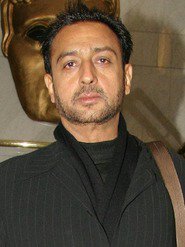
If you watched every Nila Madhab Panda film back-to-back, you'd be at it for roughly 16 hours. Most-paired with Gulshan Grover — 2 films together.
Filmography
See all 30 credits →

Collaboration Network
The Constellation
Top 3 most-paired collaborators. Bubble size and line thickness reflect how many films they share with Nila Madhab Panda.
Career Analytics
Genre Breakdown
Language Distribution
Films by Decade
Top Co-Actors
See all →Nila Madhab Panda has worked most frequently with Gulshan Grover (2 films), Parvin Dabas (2 films), and Harsh Mayar (2 films).

Legacy & Influence
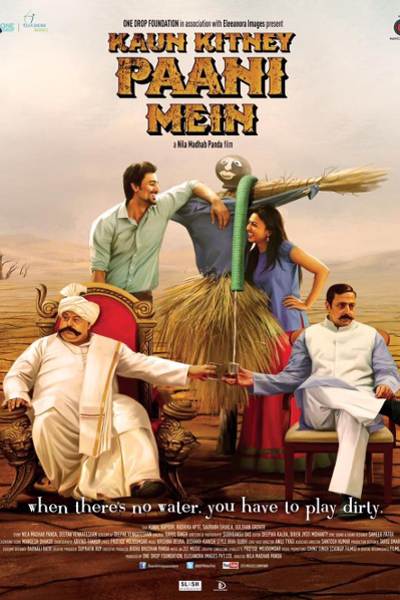
Nila Madhab Panda is a distinguished Indian film director and producer known for his socially conscious cinema that often highlights environmental issues, rural life, and human resilience. Emerging as a significant voice in parallel and mainstream Indian filmmaking, his career is marked by a commitment to storytelling that bridges entertainment with poignant social commentary. His breakthrough came with the National Film Award-winning 'I Am Kalam' (2011), a film that celebrated the power of education and aspiration in a young boy's life, drawing inspiration from former President Dr. A.P.J. Abdul Kalam. This film established his signature style of blending heartfelt narratives with relevant societal themes. He further solidified his reputation with 'Kadvi Hawa' (2017), a powerful drama on climate change and farmer distress, which earned critical acclaim and another National Film Award. Panda's filmography, including works like 'Jalpari: The Desert Mermaid' (2012) and 'Halkaa' (2018), consistently returns to themes of child empowerment, ecological balance, and marginalized communities. His contribution lies in creating accessible, humanistic films that bring urgent, often overlooked issues to a wider audience without sacrificing artistic integrity. Operating largely outside the major Bollywood studio system, he has carved a niche for impactful independent cinema that resonates both nationally and internationally on the festival circuit. His work demonstrates how cinema can be a catalyst for awareness and subtle change, influencing a generation of filmmakers to engage with substantive, real-world subjects through a compassionate lens.