Rajeev Verma
Rajeev Verma is an Indian actor, best known for Tamil cinema. Rajeev Verma began their career in 1989 and has been a prominent figure in the industry for over 37 years. With 30 credits to their name, Rajeev Verma remains one of the most prolific and celebrated talents in the industry. Spanning 30+ years, Rajeev Verma's career remains one of the longest and most celebrated in Tamil cinema.
- Born
- Age
- 77
Biography
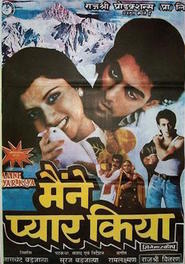
Rajeev Verma is a Hindi cinema actor born in Hoshangabad, Madhya Pradesh, who built a career as a character actor specializing in authoritative father and elder figures across Bollywood films and Indian television. He made his film debut in Maine Pyar Kiya (1989) playing Kishen Kumar Choudhary, the father of Salman Khan's character, and went on to appear in major productions including Hum Dil De Chuke Sanam (1999), Har Dil Jo Pyar Karega (2000), Andaaz (2003), and Chalte Chalte (2003). An architect by training with degrees from Maulana Azad National Institute of Technology and the School of Planning and Architecture in Delhi, he is one of the few Bollywood actors with a formal architectural background. He has received recognition including the Kalidas Samman (2022) and Kala Saarthi Awards (2023), and is married to Rita Bhaduri, the younger sister of Jaya Bachchan.
Career Milestones
Film debut as Kishen Kumar Choudhary (Salman Khan's father), a pivotal supporting role in a blockbuster
View film →Acclaimed performance as Vikramjeet, establishing him as a leading character actor in mainstream Bollywood
View film →Continued prominence in major productions, cementing over three decades as a recognizable face across film, TV, and theater
Iconic Roles
Maine Pyar Kiya
Prem's wealthy industrialist father who disapproves of his son's love for Suman; the role was so convincingly played that many audiences mistook him for Salman Khan's real father.
Hum Dil De Chuke Sanam
Vanraj's father, an authoritative patriarch figure central to the film's family dynamics in Sanjay Leela Bhansali's acclaimed romantic drama.
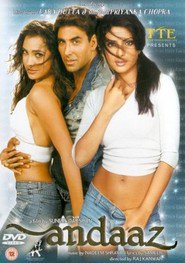
Andaaz
Jiya's authoritative father whose decisions around his daughter's marriage drive the film's central conflict in this Priyanka Chopra debut film.
Chalte Chalte
Supporting role in Shah Rukh Khan and Rani Mukerji's hit romantic drama, part of Rajeev Verma's steady run of character roles in major Bollywood productions of the 2000s.
Defining Moments
As Kishen Kumar Choudhary, Prem's wealthy and domineering father who opposes his son's romance with the poor Suman, Rajeev Verma delivered the antagonistic paternal role that anchored the film's central conflict — his cold rejection of Suman and confrontations with Sooraj (Alok Nath) defined the class-divide drama of the film.
His Bollywood debut in one of the biggest blockbusters of the era. Playing Salman Khan's morally grey father with authority and menace established him as a go-to character actor for 'father-with-negative-shades' roles. The role launched a decades-long career.
View film →As Vikramjeet, Aishwarya Rai's supportive and dignified husband who ultimately agrees to take her back to her first love Sameer, Rajeev Verma portrayed a man of quiet nobility — his acceptance scene is one of the film's most emotionally resonant moments.
Widely praised as one of his finest performances. Playing opposite Salman Khan and Aishwarya Rai in Sanjay Leela Bhansali's acclaimed film, he received immense critical appreciation for bringing depth to a role that could have been one-dimensional.
View film →As Bharat Oberoi, the wealthy patriarch whose family dynamics drive the romantic complications between the lead characters, Verma brought gravitas to the parental conflict at the heart of the film.
Continued his reputation as a commanding screen father in major Bollywood productions, appearing alongside Salman Khan, Shah Rukh Khan, and Rani Mukerji.
View film →As Mr. Eeshwar Singhaniya, the stern father of Priya (Lara Dutta) whose disapproval of her relationship with Raj (Akshay Kumar) creates the central romantic obstacle, his authoritative presence shaped the film's dramatic tension.
Part of a remarkable 2003 run (also appearing in Chalte Chalte and Koi Mil Gaya the same year), cementing his status as one of Bollywood's most reliable senior character actors.
View film →As Mr. Chopra in this Shah Rukh Khan–Rani Mukerji romance, Verma played a parental figure whose role in the couple's turbulent marriage arc contributed to the film's emotional stakes.
His appearance in this Aziz Mirza directorial — one of the major releases of 2003 — underlines how consistently he was cast in prestige Bollywood productions across two decades.
View film →Rajeev Verma by the Numbers
If you watched every Rajeev Verma film back-to-back, you'd be at it for roughly 1 day and 1h. Most-paired with Ajay Devgan — 4 films together.
Filmography
See all 30 credits →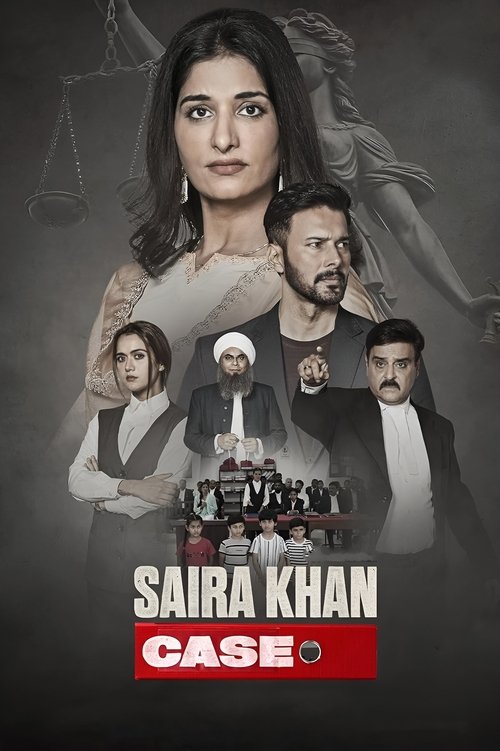

Collaboration Network
The Constellation
Top 10 most-paired collaborators. Bubble size and line thickness reflect how many films they share with Rajeev Verma.
Career Analytics
Genre Breakdown
Language Distribution
Films by Decade
Top Co-Actors
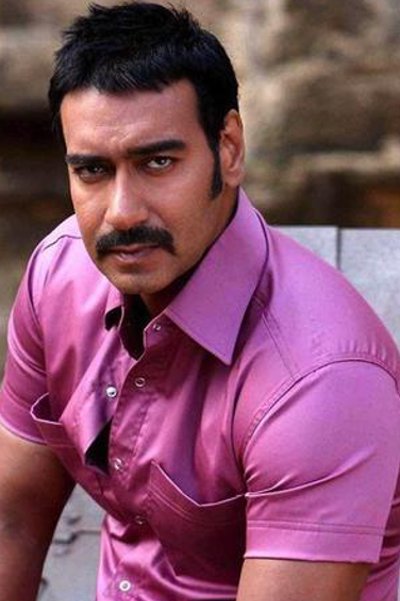
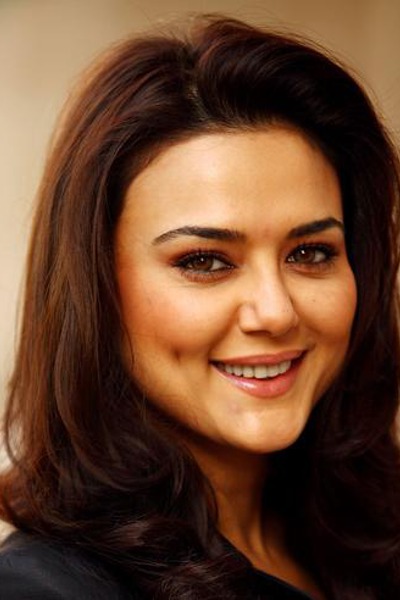
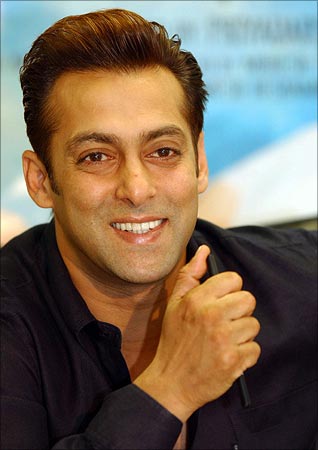
See all →Rajeev Verma has worked most frequently with Raj Kanwar (2 films), Ajay Devgan (4 films), Preity Zinta (3 films), Salman Khan (3 films), and Anupam Kher (2 films).



Legacy & Influence
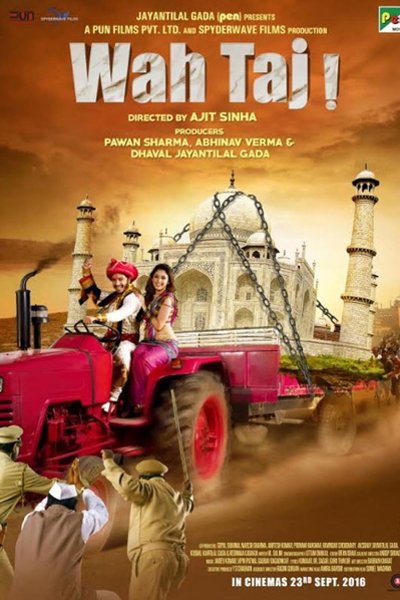
Rajeev Verma is a supporting actor in Indian cinema, recognized for his character roles across Hindi films and television. His career trajectory demonstrates a consistent presence as a reliable performer, often portraying fatherly figures, authoritative roles, or characters integral to narrative subplots. While not a leading star, his contribution lies in adding depth and authenticity to the ensembles of numerous projects. His filmography, though not extensively documented in the public domain, includes notable work in the early 2000s, such as his role in 'Yeh Raaste Hain Pyaar Ke' (2001). He has also appeared in later films like 'Wah Taj' (2016). On television, he is perhaps best known for his portrayal of Advocate Kailashnath in the popular series 'Saarrthi', a role that earned him recognition in Indian households. This role typifies his ability to embody professional, often stern characters with a sense of gravitas. His film and TV work collectively represents the essential fabric of supporting actors who ground stories and provide a believable context for protagonists, a vital but often understated contribution to the industry's storytelling ecosystem. Without widespread mainstream accolades, his legacy is built on professional longevity and the quiet competence of a seasoned character actor.